
PDF · A4 · 16 KB · Free, no sign-up. For home and classroom use.
Monkey colouring page
A monkey swinging one-handed from a leafy branch with its tail curled into a spiral, free to print on A4.
Everything in this drawing hangs from one point. A leafy branch runs across the upper part of the page, and the monkey grips it with a single hand, so the whole body swings free below with the other arm loose and the legs bent. The face is turned out towards you rather than in profile, with two round eyes and a wide smile, and the long tail curls away from the body into a flat spiral. Leaves cluster along the branch. The rest of the page is white.
The spiral tail is the shape worth planning before you pick up anything. It winds in from the outside towards a small closed curl at the centre, and the gap between the turns narrows as it goes, so the innermost stretch is a thin channel. A blunt crayon will bridge two turns of that spiral in one stroke and the coil becomes a disc. Start at the outer end where there is room, work inward, and switch to a sharper point for the last turn. Colouring the tail a different tone from the arms makes the whole spiral read at a glance.
The leaves give you a set of small separate shapes to break up all the fur. Each one is outlined on its own, which means you can vary them: several shades of green, or greens on one side of the branch and yellows on the other, or every leaf a different colour entirely. The branch itself is a long horizontal band and is the only near-straight run on the page, so a flat, even fill there steadies everything hanging from it. Filling the branch first also tells you how dark you can afford to go on the body above and below it.
The face is the part that decides what the finished sheet feels like. Two eyes, a muzzle and a curved mouth sit inside a small area, and the outlines there are closer together than anywhere else on the page. Leave the whites of the eyes white, because paper is the cleanest white you will get and a filled eye flattens the expression. A light fill across the muzzle, lighter than the rest of the head, does most of the work of bringing the face forward. Press gently, since a heavy stroke shows immediately at that scale.
Watercolour pencils suit this one if you have them: colour the leaves dry, then touch them with a damp brush and the greens blend into each other along the branch while the fur stays crisp. Ordinary coloured pencils layer well across the larger body areas. Markers are fast and bold and are fine on the branch and the limbs, but the eyes and the inner curl of the tail are too small for a broad nib. Crayon covers the arms and legs quickly and tends to skip on the leaf tips, leaving a broken speckled edge along them.
Many monkeys use the tail for balance and some can grip a branch with it, and the tail on this sheet is drawn curling in on itself rather than trailing straight behind the body. The hand wrapped around the branch is drawn with the thumb on the opposite side from the fingers, the way a hand actually closes on something round. Faces are usually a different colour and texture from the rest of the coat, often paler and less furry, which is a handy excuse to lighten the muzzle even if the rest of your monkey is bright purple.
Choose actual size rather than fit-to-page when you print, or the narrow channels in the tail spiral will close up and the leaf outlines will thicken. Plain paper is enough for pencils and crayons, and heavier stock is an option for markers or for any water at all, since a thin sheet buckles under a wet brush. The PDF is set for A4, and there is a PNG preview so you can look at the drawing before you commit paper to it.
Cut around the outer edge of the arms, legs and tail and you get a shape that will hang off the edge of a shelf or a folder cover, spiral and all, with none of it bounded by a straight cut line. You may also tape it to a window and see how the leaves sit against the light. Nothing on this sheet holds the animal up from below, since it is not standing or resting on anything but is hanging from one hand, so the empty space beneath it is doing real work in the composition.
Before you print
- Work the tail spiral from the outside in and sharpen your point before the last turn.
- Leave the whites of the eyes as bare paper so the face keeps its expression.
- Fill the branch first, since it sets the darkest tone the hanging body has to work against.
- Vary the leaves rather than filling them all one green, because each is outlined separately.
- If you use a damp brush on the leaves, print on heavier stock so the sheet does not buckle.
Published Updated 764 words
More in this section
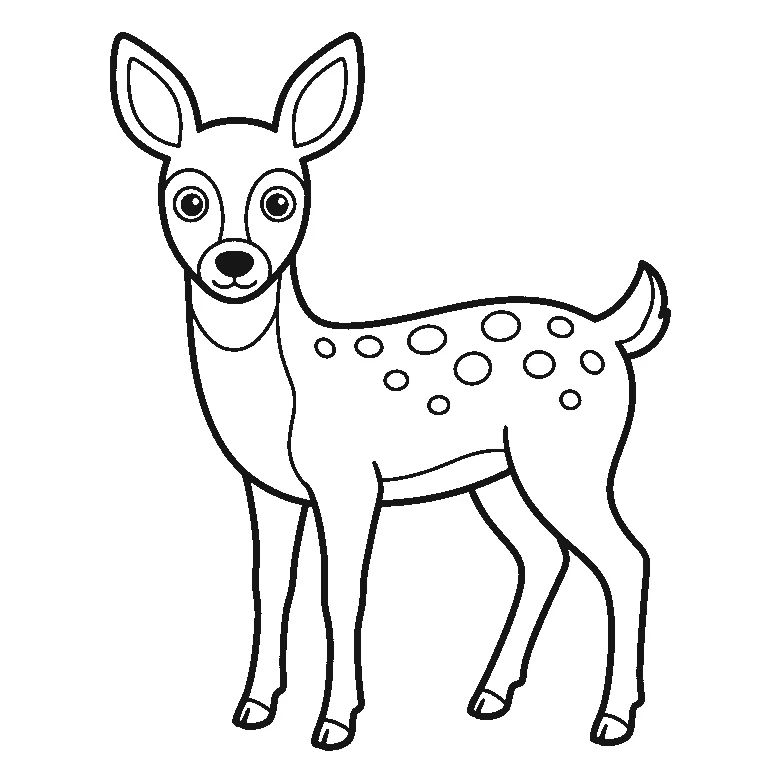
Deer colouring page
A young spotted fawn in profile, head turned forward, with rows of oval spots along the flank to fill one by one.
Colouring outline drawn by us.
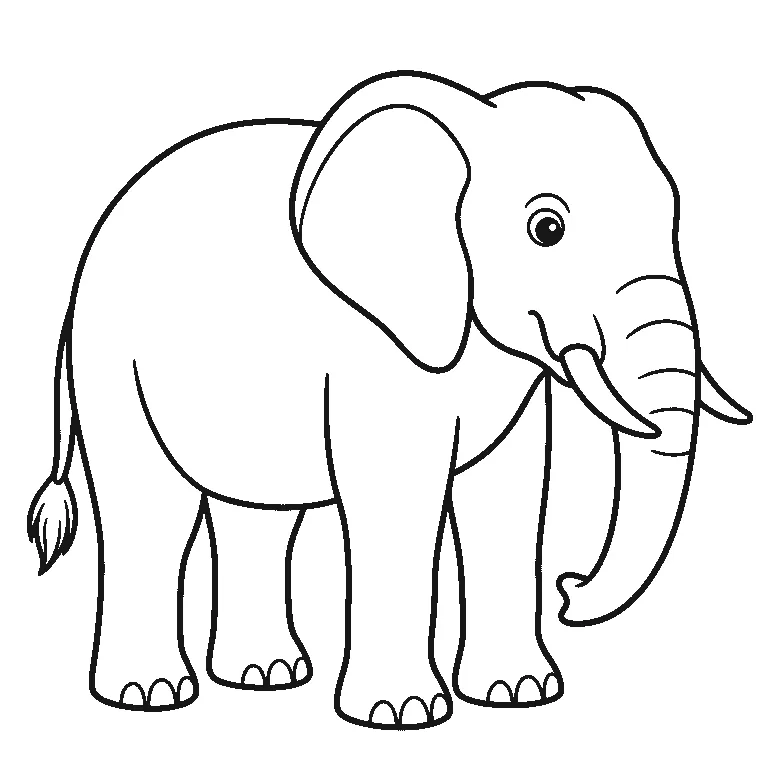
Elephant colouring page
An elephant in profile with a wide ear, two short tusks and a curling trunk, drawn in broad areas that fill fast.
Colouring outline drawn by us.
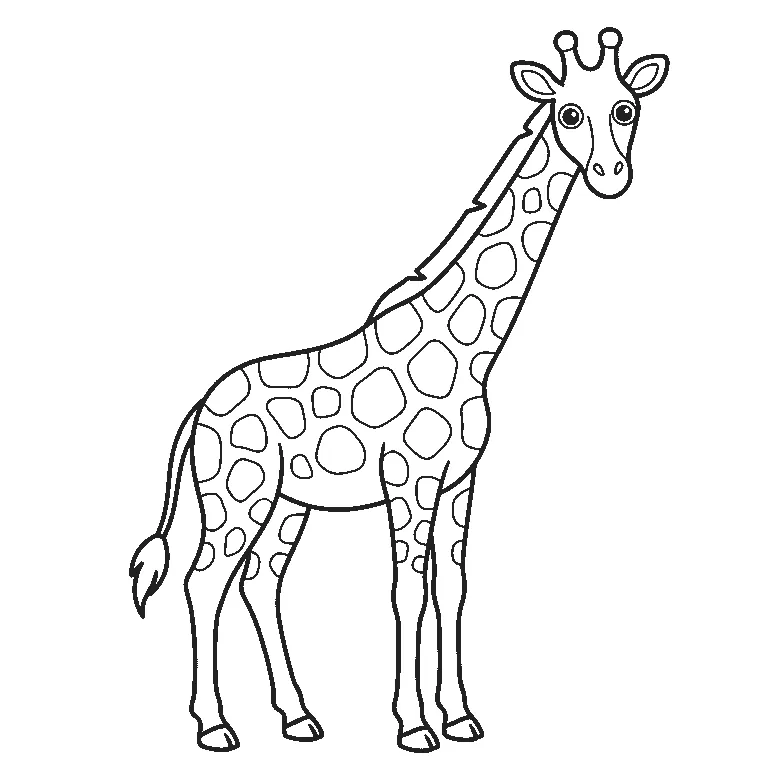
Giraffe colouring page
A tall giraffe in profile, patched from cheek to hoof, with dozens of small rounded shapes to colour one at a time.
Colouring outline drawn by us.
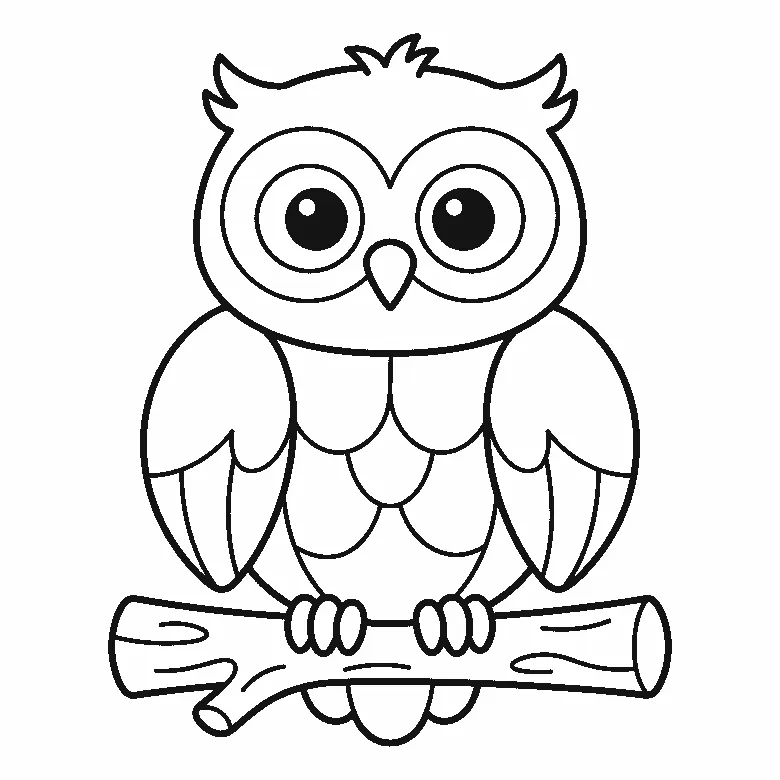
Owl colouring page
A front-facing owl on a thick branch, with two big round eyes and rows of wing feathers to fill in.
Colouring outline drawn by us.
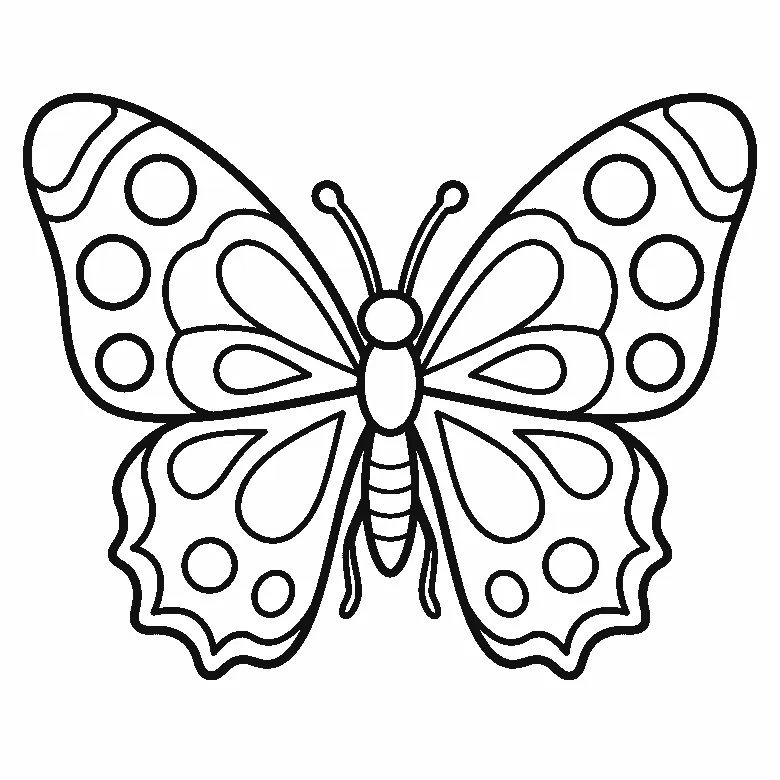
Butterfly colouring page
Wide open wings patterned in circles and teardrops, symmetrical enough to colour one half at a time.
Colouring outline drawn by us.
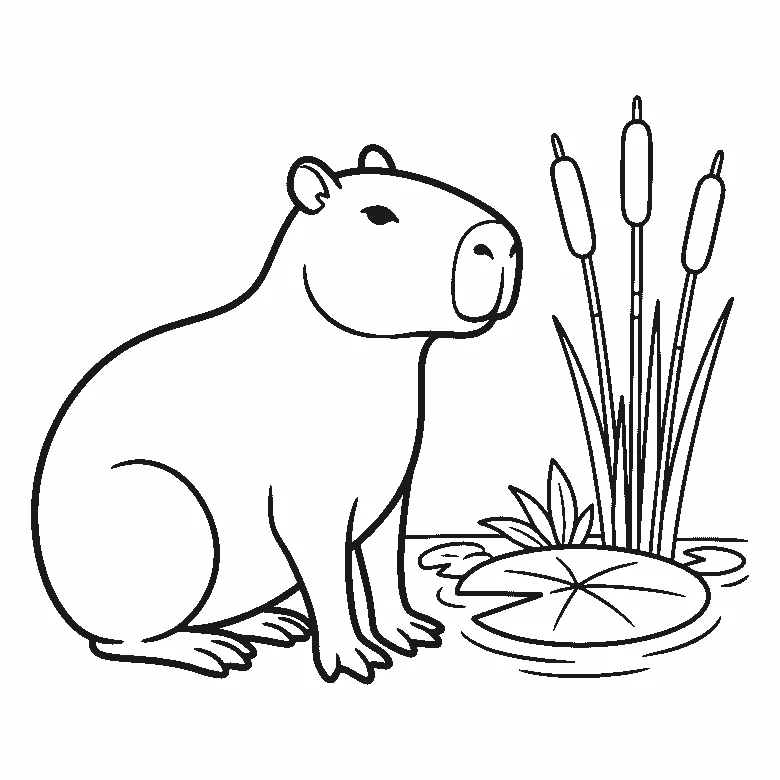
Capybara colouring page
A capybara sitting at the water's edge beside a lily pad and three bulrushes, in plain black outlines.
Colouring outline drawn by us.
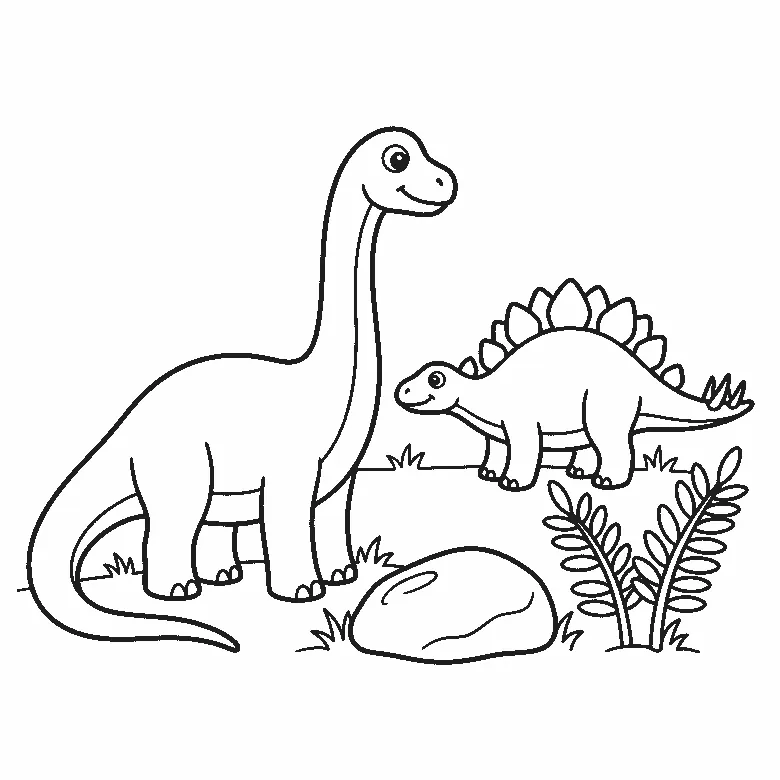
Dinosaur colouring page
Two dinosaurs, a boulder, a fern and tufts of grass in black outline, ready to print on A4 paper.
Colouring outline drawn by us.
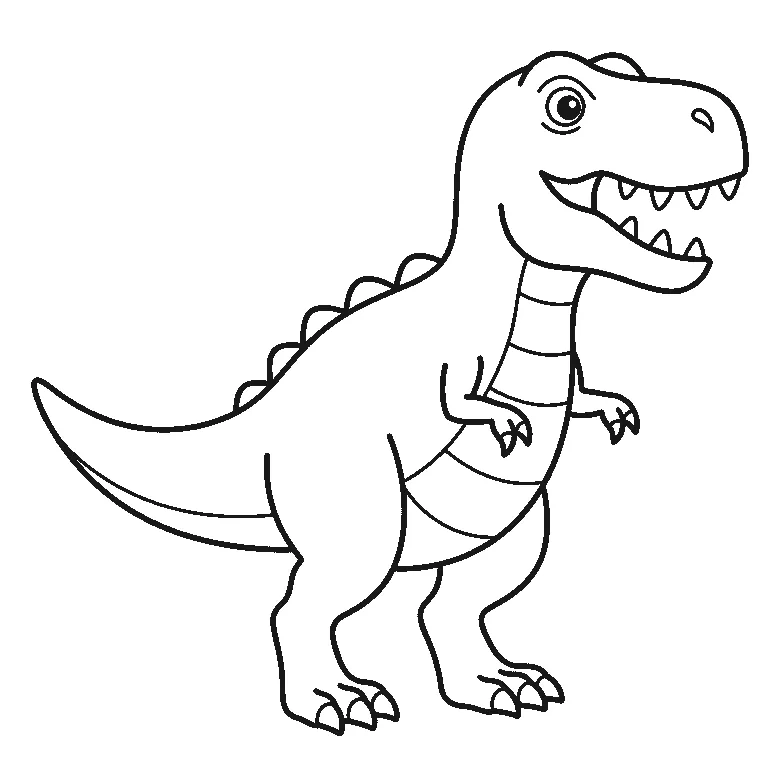
T. rex colouring page
A T. rex in profile with an open mouth, pointed teeth, small arms and a long tail, on plain white.
Colouring outline drawn by us.
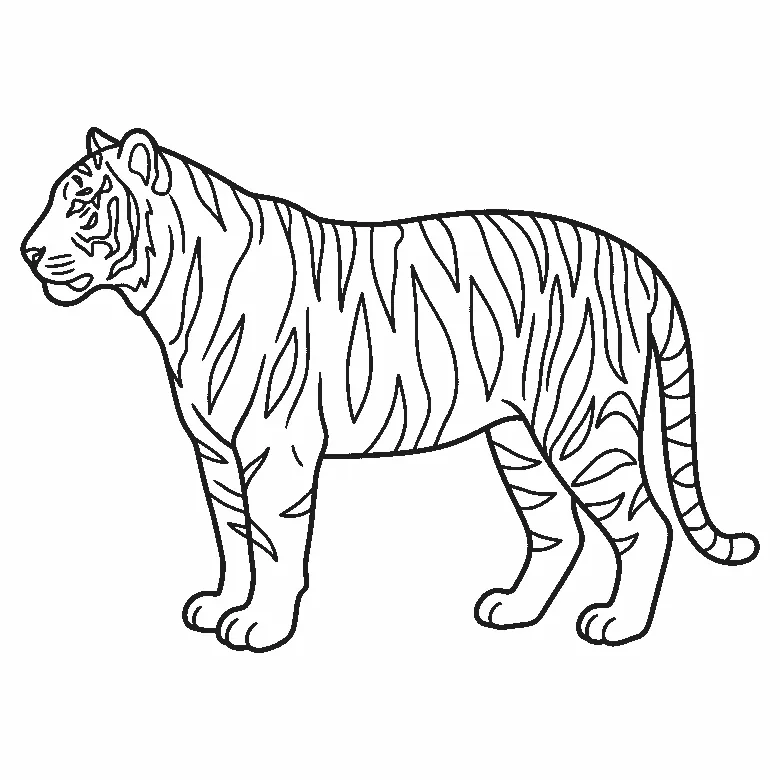
Tiger colouring page
One tiger standing in profile with every stripe drawn as a closed shape you can colour inside.
Colouring outline drawn by us.
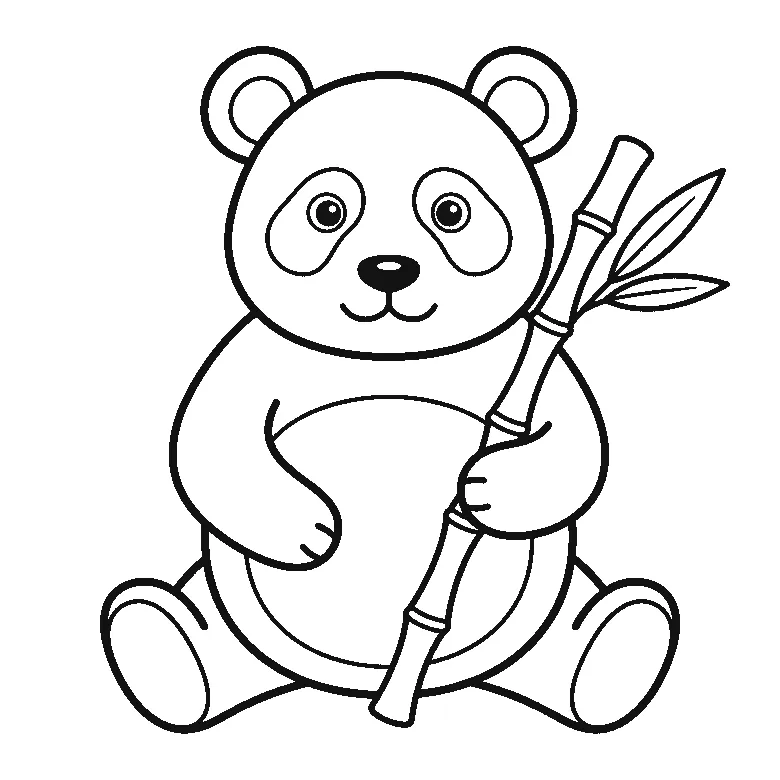
Panda colouring page
A giant panda sitting upright with a bamboo stalk, drawn as a small set of large closed shapes.
Colouring outline drawn by us.
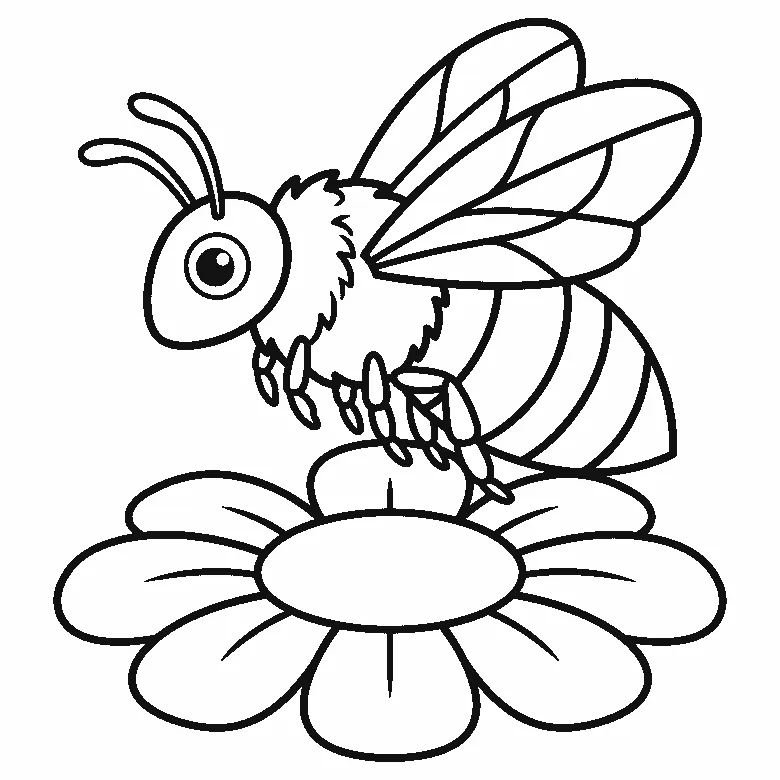
Bee colouring page
One bee on a wide flower, its body already divided into four stripe panels to fill.
Colouring outline drawn by us.
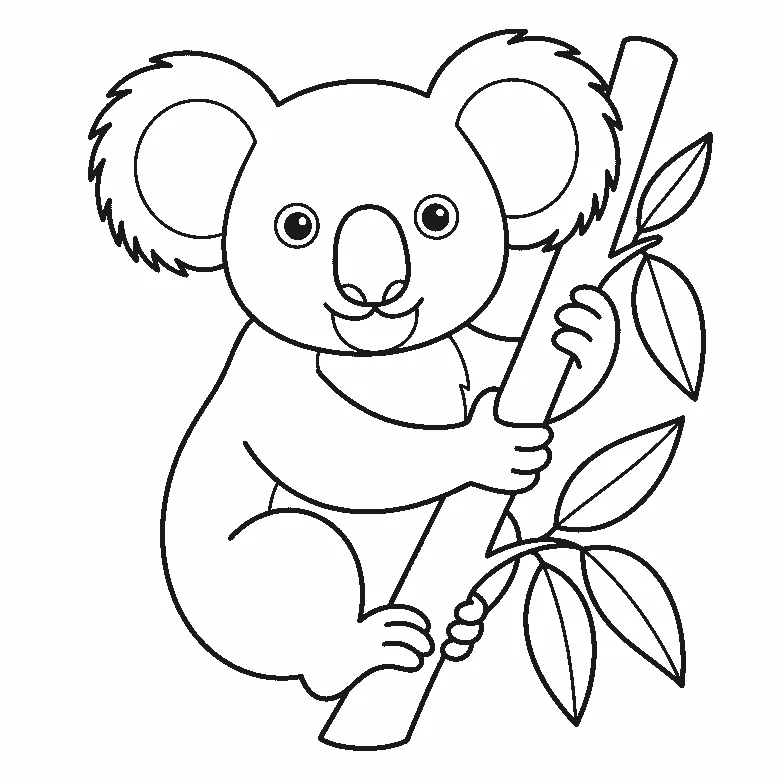
Koala colouring page
A koala hugging a eucalyptus branch, facing forward, with two very large fringed ears.
Colouring outline drawn by us.


