Fantasy
Unicorns, dragons, mermaids, a castle, a knight with the visor down and a robot with a ball-tipped aerial — the make-believe sheets.
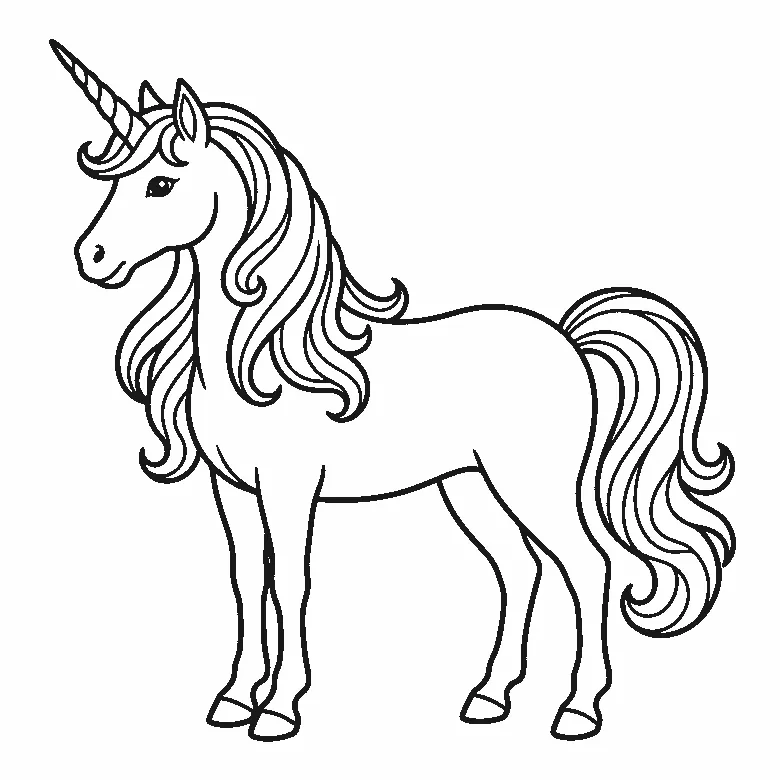
Unicorn colouring page
A standing unicorn in profile with a spiral horn and a long wavy mane, free to print as an A4-size PDF.
Colouring outline drawn by us.
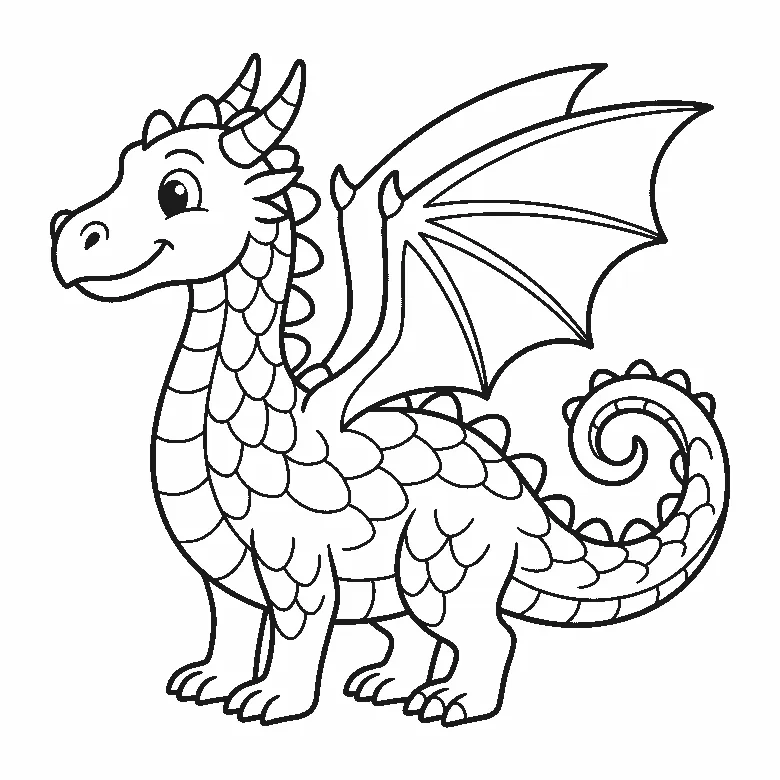
Dragon colouring page
A friendly dragon with two horns, a spiked back and one open wing, drawn in clean black outlines for A4 paper.
Colouring outline drawn by us.
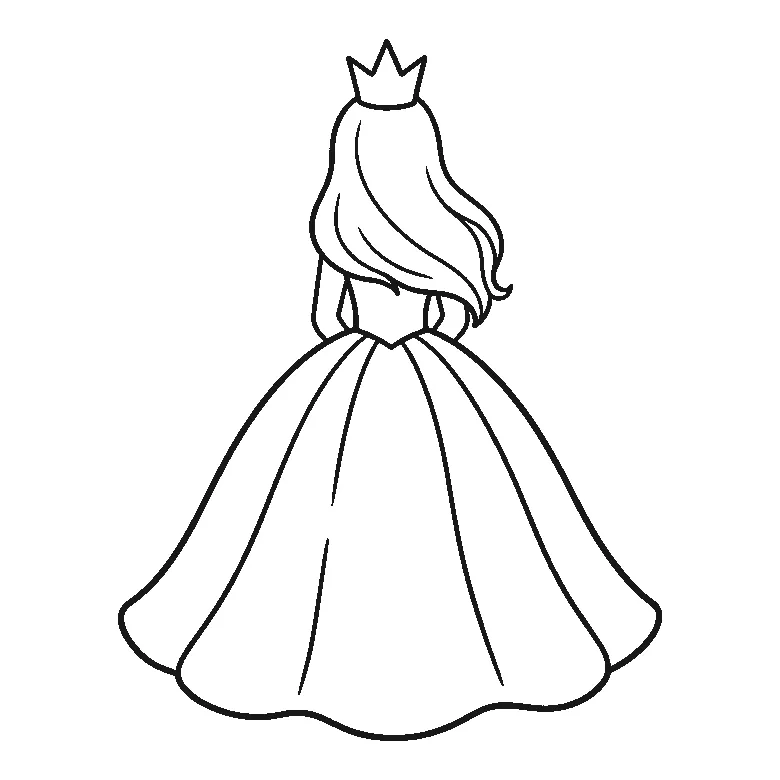
Princess colouring page
A princess seen from behind in a wide ball gown with a small crown, free to print at A4.
Colouring outline drawn by us.
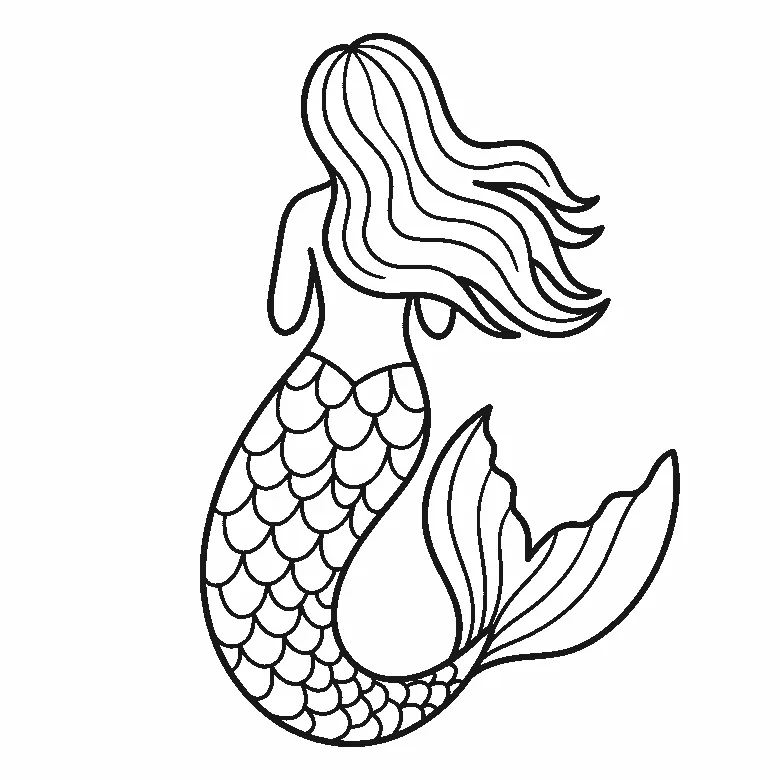
Mermaid colouring page
A mermaid seen from behind with a long scaled tail curling to a wide fin, free to print on A4.
Colouring outline drawn by us.
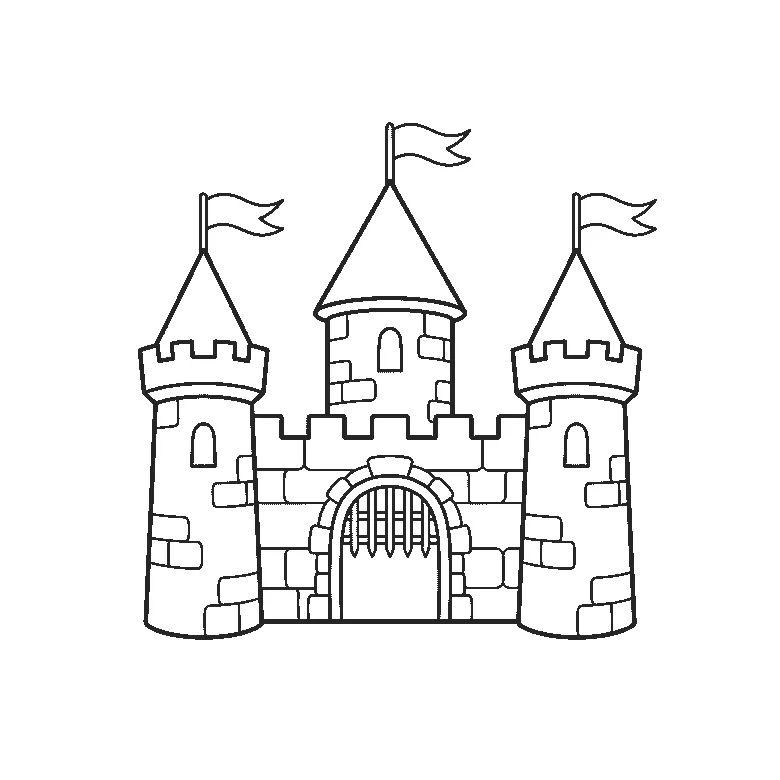
Castle colouring page
A three-towered castle with pennants, battlements and a portcullis, drawn small and centred on the sheet.
Colouring outline drawn by us.
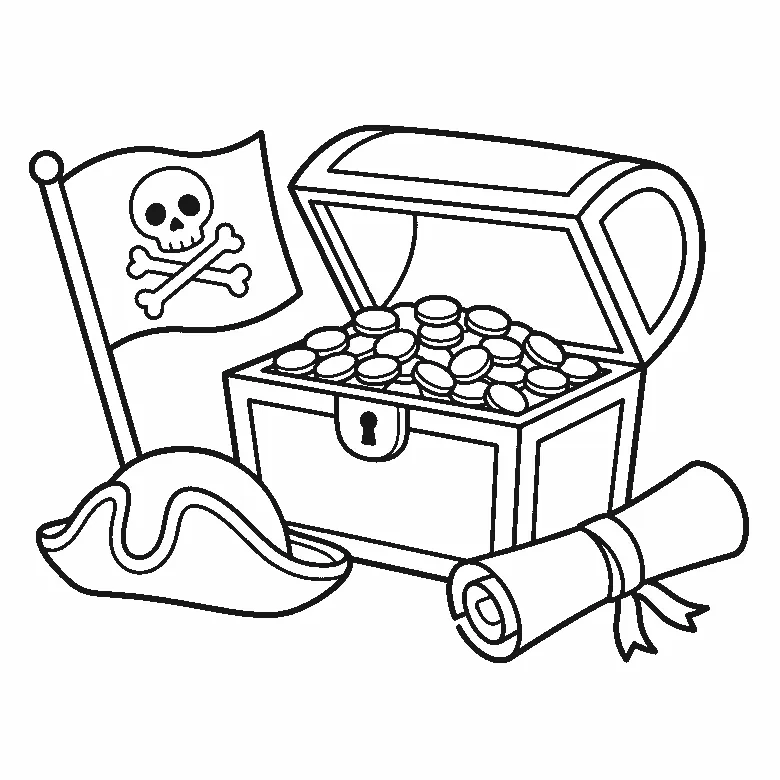
Pirate colouring page
A treasure chest heaped with plain coins, a skull flag, a tricorn hat and a blank rolled map on one sheet.
Colouring outline drawn by us.
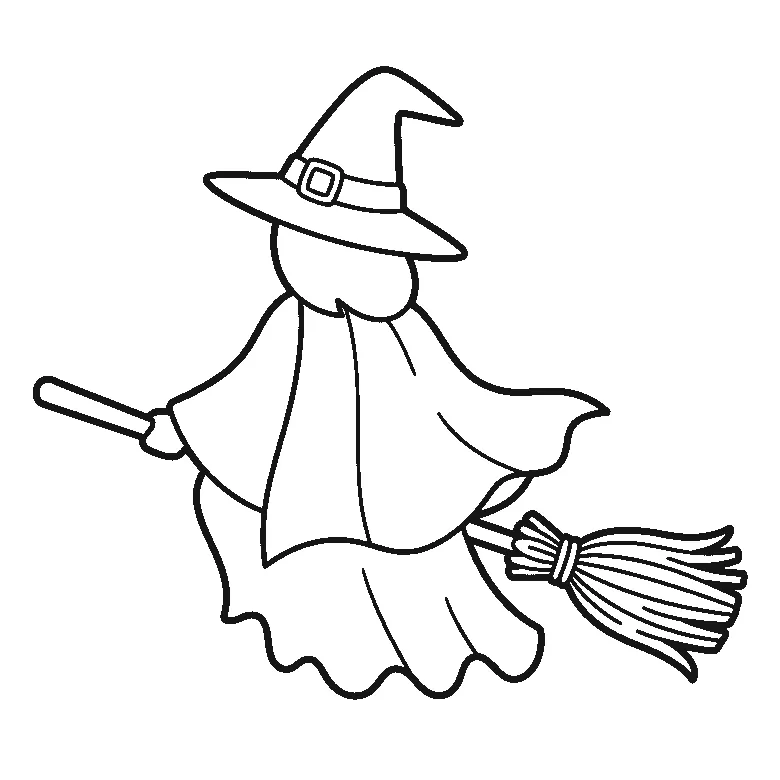
Witch colouring page
A witch seen entirely from behind on a broomstick, with no face drawn at all and a long scalloped cloak.
Colouring outline drawn by us.
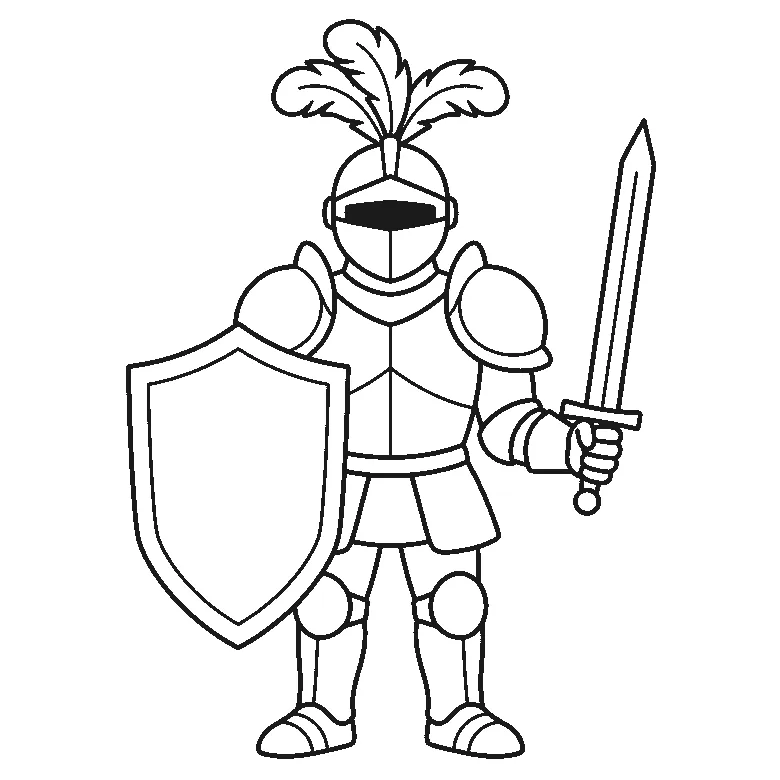
Knight colouring page
A knight in plate armour with the visor closed, a plain shield in one arm and a raised sword in the other.
Colouring outline drawn by us.
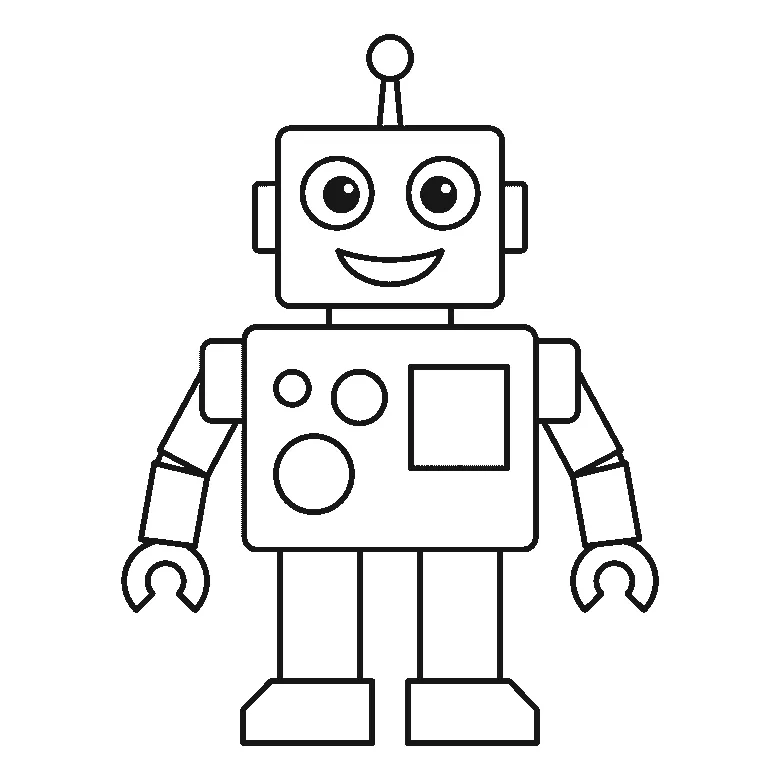
Robot colouring page
A boxy robot standing front on, built from rectangles and circles, with pincer hands and an aerial, free as an A4 PDF.
Colouring outline drawn by us.
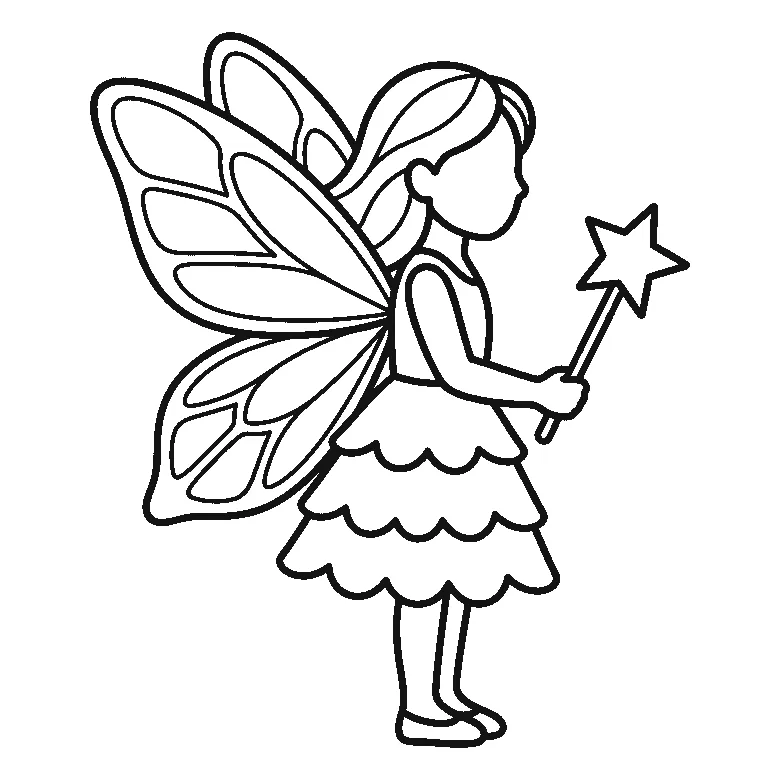
Fairy colouring page
A fairy standing in profile with a blank face, two large butterfly wings and a star-tipped wand, free as an A4 PDF.
Colouring outline drawn by us.


The Fantasy section holds a unicorn, a dragon, a princess, a mermaid, a fairy, a castle, a pirate group, a witch, a knight and a robot. The first four were drawn as a set and the rest arrived later, but they share the thing that defines the section — no human face is drawn anywhere in it. Every human figure is shown with the head turned away, hidden behind hair, covered by a closed visor, or drawn in profile with nothing at all inside the outline of the face, so the parts of the page that would normally carry a printed smile are left to whoever picks up the crayons. The robot is the one drawing here that has a face at all, and it is a machine's: two circles with filled pupils and a curved line for a smile, which is a different thing from a person's expression. It is a deliberate choice, and it changes how the whole section colours.
They differ mostly in where the wide open space sits. On the unicorn sheet the mane and tail carry it, long sweeping bands of outline with plenty of room between them. The dragon puts its space in the wings, big paneled stretches held apart by ribs. The princess sheet gathers everything into a gown that falls in broad folds from waist to hem, and the witch does the same with a cloak seen from behind. The mermaid splits the difference: hair on the upper half, a long tail below, and scale shapes that get smaller as they run towards the fin. The fairy puts almost all of hers into two butterfly wings, whose nine panels between them are held apart by veins that fan from one point.
The later sheets are built differently again. The castle is architecture — towers, a battlemented wall and an arched gate — so its shapes are straight-sided and repeatable rather than flowing. The knight is a figure made of plates, which reads as a person but colours like a machine. The pirate sheet is not a figure at all but a group of four objects, a chest, a flag, a hat and a rolled map, none of them touching. The robot is the furthest from where the section started: rectangles, circles and two straight legs, with no organic contour anywhere except the smile and the pincer hands. Between them they give this section a range that four flowing figures alone did not have.
Picking between them is easier if you think about how long you want to sit with the page. The princess, the unicorn, the witch and the robot go quickly, because the shapes are large and a handful of strokes covers a lot of ground. The dragon takes longer, since the wing panels reward being treated one at a time instead of as a single wash of one colour, and the fairy sits beside it for the same reason. The castle and the pirate sheet both stretch out, the first because of its stonework and portcullis and the second because of a chest full of separate coins. The mermaid stretches into a long sitting if you decide to give the scales any variation, and closes quickly if you decide not to.
The missing faces are worth planning for rather than working around. On the unicorn, the princess and the mermaid, nothing is drawn there, so the head area is a blank shape with an outline around it and a colour laid down flat will read as skin, fur, hood or hair depending on what you put beside it. The fairy is a fourth of that kind, drawn in profile with a forehead, a nose and a chin in the outline and nothing inside it. On the knight and the witch the drawing has closed the question for you — a visor with a dark slot, and a hat seen from behind — and neither of them needs anything added. The robot closes it a third way, by drawing the face outright, so its head is the one in this section that arrives finished. Left white, those areas let the surrounding colour do the work; drawn into afterward with a fine pen, they take features of your own.
Medium is worth a moment of thought before you start on these sheets, because the shapes vary so much in size. Crayon suits the gown, the cloak and the wings, where a broad side-stroke covers fast and the small wax skips give the fill some texture. Coloured pencil is the better answer for scales, mane strands, stone blocks and coins, since it can be layered from light to dark and will not swamp a narrow band. Markers are strong and even, but they spread at the edges and often show through to the back of plain paper, so keep a spare sheet underneath. Gel pens are best saved for accents on top of a finished fill rather than the fill itself.
Nothing in this section has a correct colour, which is the quiet advantage of make-believe subjects. A dragon can be green because that is the expected answer, or copper, or plum, or a different colour per wing panel. A unicorn's mane can run through a full spectrum from root to tip without anyone being able to say it is wrong. A castle can be grey stone or pale blue with gold roofs, a knight's armour can be any metal that has ever been imagined, and a robot in pink is exactly as correct as a robot in gunmetal. If you would rather be restrained, two colours plus white across a whole sheet looks deliberate and finishes far faster than trying to use everything in the box.
Printing is the same for all of them. Use plain A4 paper, choose actual size rather than fit-to-page so the outlines keep their weight, and switch to thicker card only if markers are going on it. Printing the same sheet twice works well here: with no printed faces to anchor them, two versions of the unicorn coloured by two people are obviously two different pictures rather than one copied twice. Trim close to the outline and the figures cut out cleanly, since none of them has fine trailing detail that tears.
Finished pages from this section do well mounted together. Taped in a window, the gown and the wings glow where the colour is thin. Folded down the middle and used as the front of a card, the tail or the mane runs off the edge nicely. Because the subjects here are invented, each sheet supplies the shapes and leaves every other decision open: which colours go where, which medium to reach for, and how much of the page to leave white.
Published Updated 10 sheets1126 words