
PDF · A4 · 18 KB · Free, no sign-up. For home and classroom use.
Butterfly colouring page
Wide open wings patterned in circles and teardrops, symmetrical enough to colour one half at a time.
Seen from above with both wings spread flat, the butterfly on this sheet is almost entirely pattern. Each wing carries large circles and long teardrop shapes arranged in loose rows, the biggest of them near the outer edge and the smaller ones crowding in towards the body. Down the middle runs a segmented body, drawn as a short stack of rounded sections, with two antennae curving up and away from the head. The left and right sides mirror each other shape for shape, which is the single most useful thing to know before picking up a pencil.
Because the halves match, you can treat this as a copying exercise or ignore that entirely. Colouring one wing first and then matching it shape by shape gives a tidy result, but it means going back and forth across the page and remembering which colour went where. The alternative is to work colour by colour: pick one, find every shape on both wings that will take it, fill them all, then move on. That second method keeps the two sides in step without any memory work and is much faster once the page has three or four colours on it.
The large outer circles are the roomiest areas on the sheet and the best place for a bold flat fill. The teardrops nearer the body are thinner and taper to a point, and a point is where a blunt tip stops obeying you. Sharpen before you start on those, or accept the overshoot and outline the whole wing afterward in a dark colour so the stray marks read as deliberate edging. The narrow spaces between shapes can stay white; leaving that background paper bare is what makes the pattern pop rather than turning the wing into one solid mass.
This drawing suits watercolour pencil particularly well. Fill a circle dry, then touch it with a barely damp brush and the pigment pools towards the outline, giving each shape a darker rim without any extra work. Keep the water sparing, since A4 paper buckles quickly. Ordinary coloured pencil layers beautifully here too: one pale colour across a whole wing, then a second stronger colour inside the circles only, produces depth that a single pass cannot. Gel pens are worth having on hand for tiny accents inside the teardrops once the base colour is dry.
A butterfly's wings really are symmetrical, the same pattern repeated on either side of the body, and the round markings that appear on many species are usually called eyespots. The wings themselves are covered in tiny overlapping scales, which is where their colour comes from. What look like feelers are antennae, used mainly for smell and balance. And though this drawing reads as two wide wings, a butterfly actually has four, a forewing and a hindwing on each side, overlapping so closely that they often look like one.
Realistic choices run from orange with black veining to deep blue, yellow, white with dark tips, or brown with cream edging. Any of those will look right. The pattern here is invented rather than copied from one species, though, so it carries no obligation at all: a rainbow ordering of the circles, or the same three colours repeated in rotation around the wing, both work. If you want the two halves to disagree on purpose, do it boldly, with completely different palettes left and right, so it reads as a choice.
Send it to the printer at full size with scaling turned off, so the small teardrops nearest the body stay wide enough to colour. Plain paper is fine for pencil and crayon. If you plan to use a damp brush, printing the outline onto card instead is an option worth trying on one copy before you commit. Printing a second copy is one thing to try with this outline, since the same wings can be coloured once realistically and once in nonsense colours, and the pair looks good side by side.
Cut out along the outer wing edge and this one stops being a page and becomes an object. Folded gently down the body line, it will stand on a shelf, or it can be taped to a wall by the body alone so the wings lift slightly away from the surface. The animal section holds an owl sheet and a capybara sheet too, and this one is built almost wholly out of repeated shapes: a grid of circles and teardrops waiting for a colour scheme rather than a face or a scene.
Before you print
- Work one colour at a time across both wings to keep the two halves matching without backtracking.
- Sharpen before starting the teardrops, since their points are the tightest spots on the page.
- Leave the thin gaps between shapes white so the pattern stays separated.
- Use only a barely damp brush if you reach for watercolour pencils, or the paper will buckle.
- Print a second copy to colour the same wings in colours no butterfly has.
Published Updated 752 words
More in this section
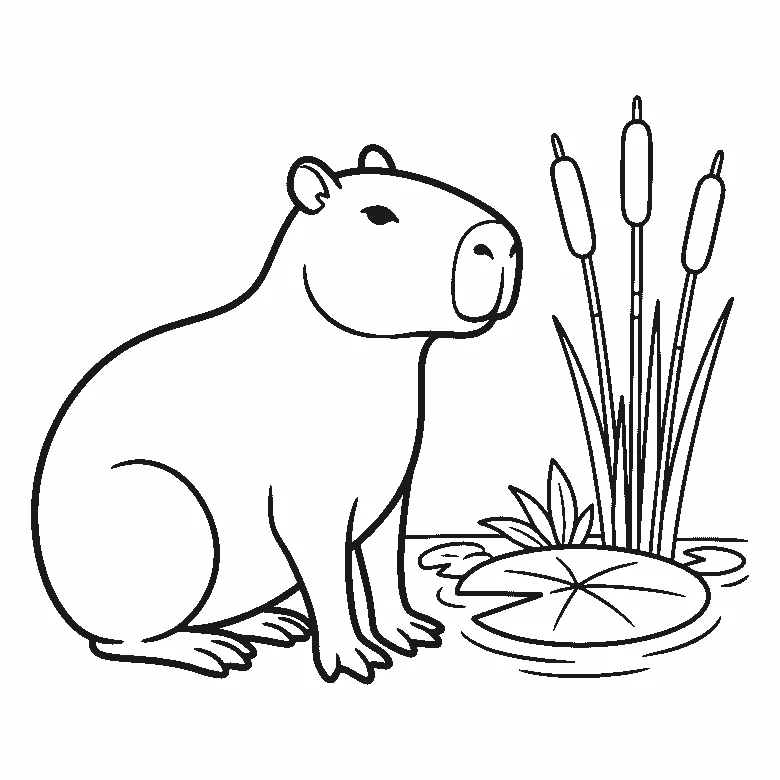
Capybara colouring page
A capybara sitting at the water's edge beside a lily pad and three bulrushes, in plain black outlines.
Colouring outline drawn by us.
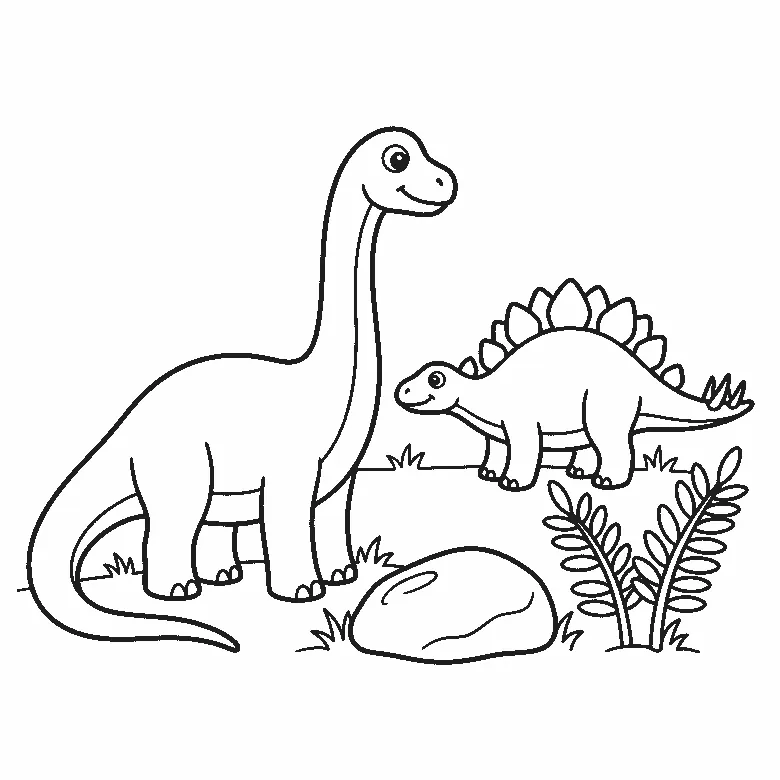
Dinosaur colouring page
Two dinosaurs, a boulder, a fern and tufts of grass in black outline, ready to print on A4 paper.
Colouring outline drawn by us.
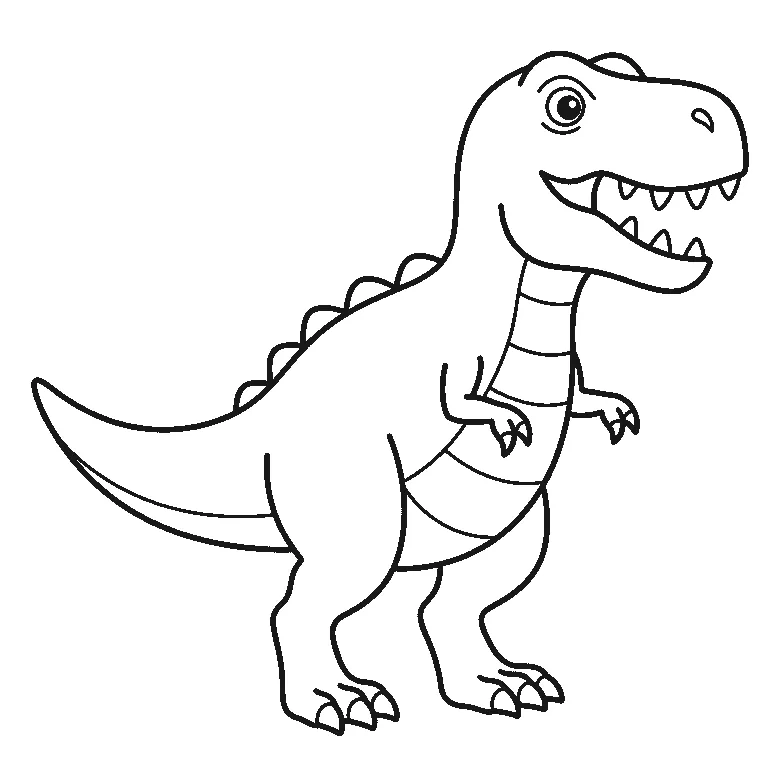
T. rex colouring page
A T. rex in profile with an open mouth, pointed teeth, small arms and a long tail, on plain white.
Colouring outline drawn by us.
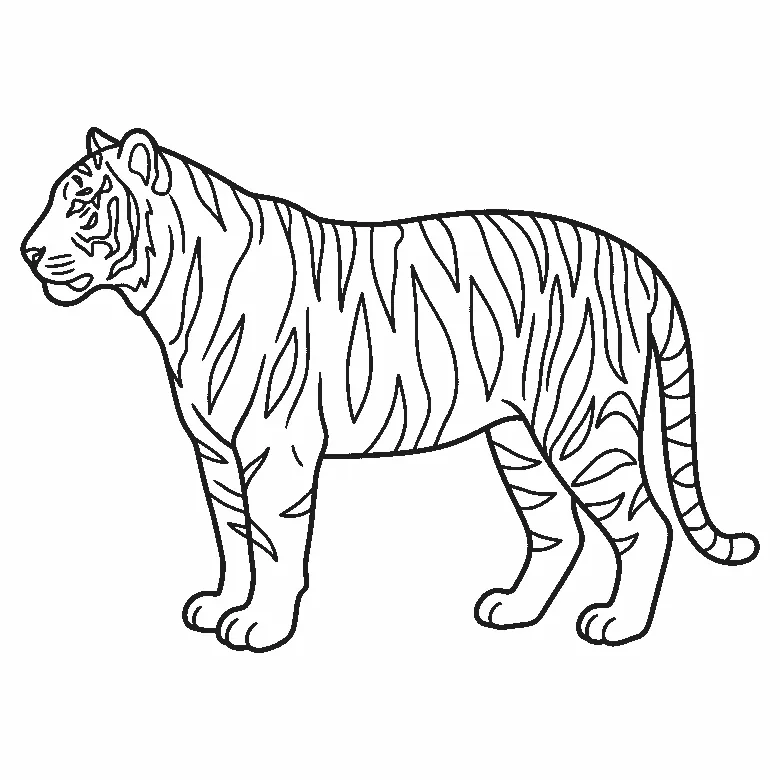
Tiger colouring page
One tiger standing in profile with every stripe drawn as a closed shape you can colour inside.
Colouring outline drawn by us.
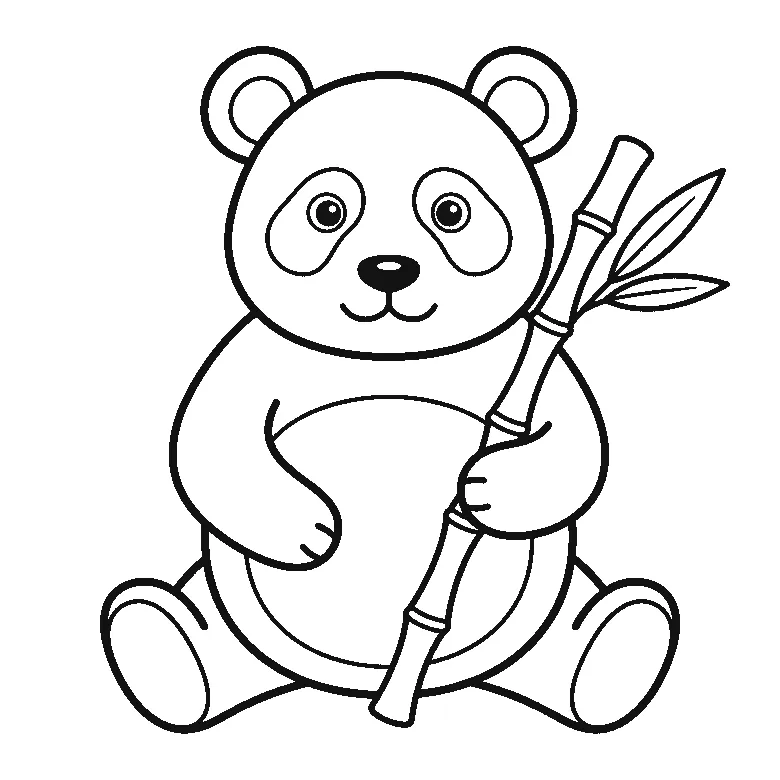
Panda colouring page
A giant panda sitting upright with a bamboo stalk, drawn as a small set of large closed shapes.
Colouring outline drawn by us.
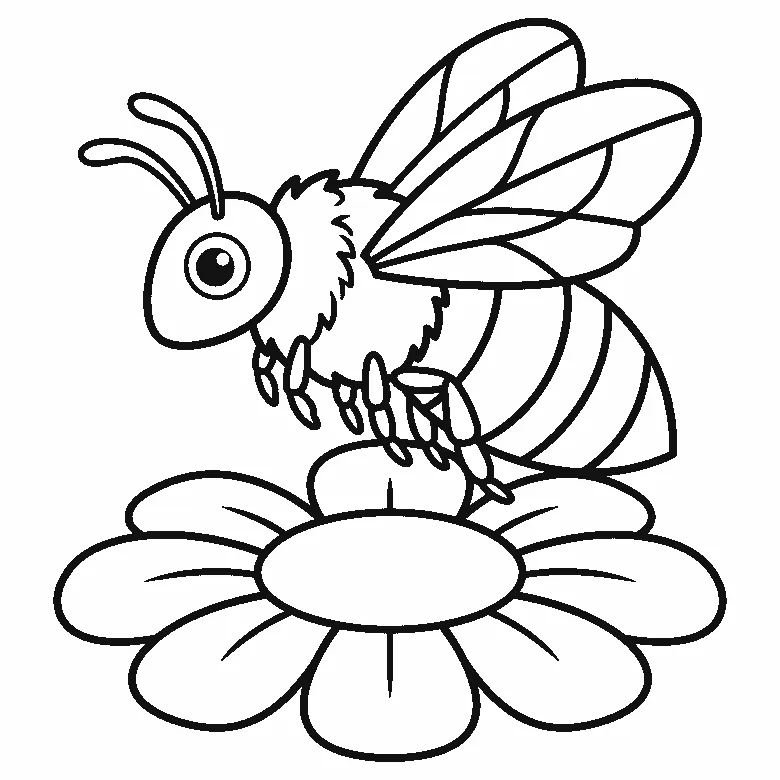
Bee colouring page
One bee on a wide flower, its body already divided into four stripe panels to fill.
Colouring outline drawn by us.
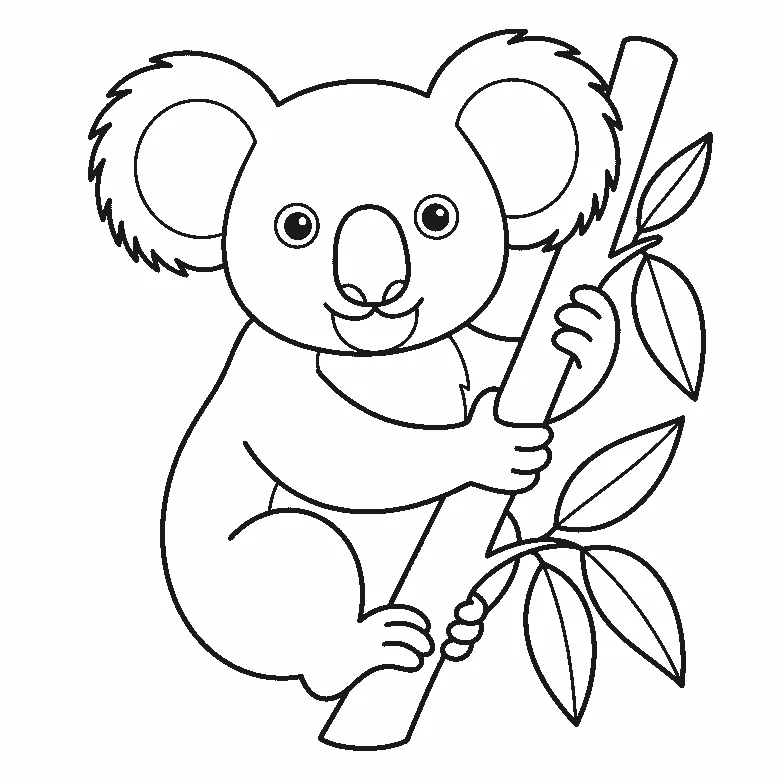
Koala colouring page
A koala hugging a eucalyptus branch, facing forward, with two very large fringed ears.
Colouring outline drawn by us.
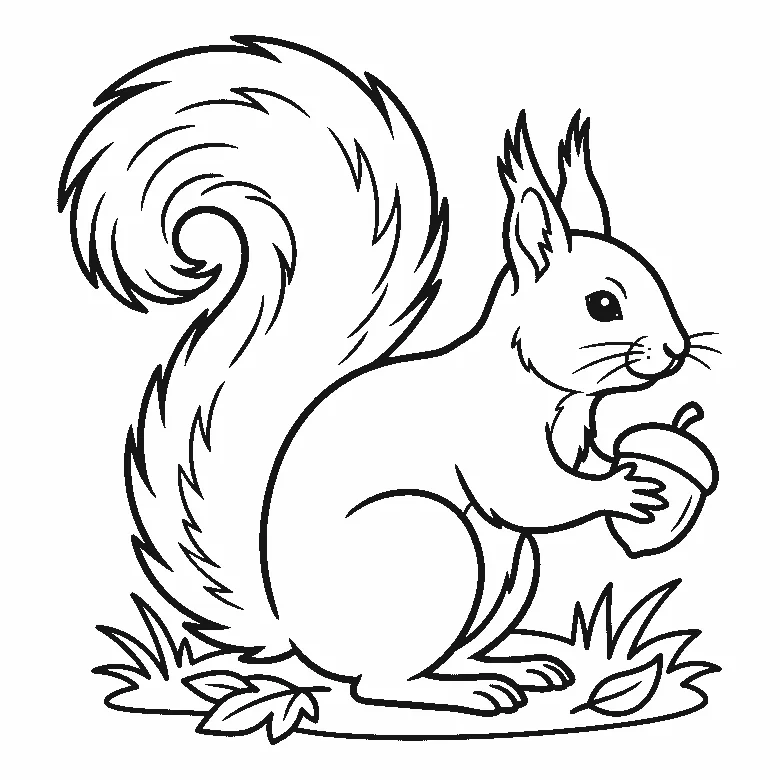
Squirrel colouring page
A squirrel in profile holding an acorn, with a very large curled tail drawn as separate strands.
Colouring outline drawn by us.
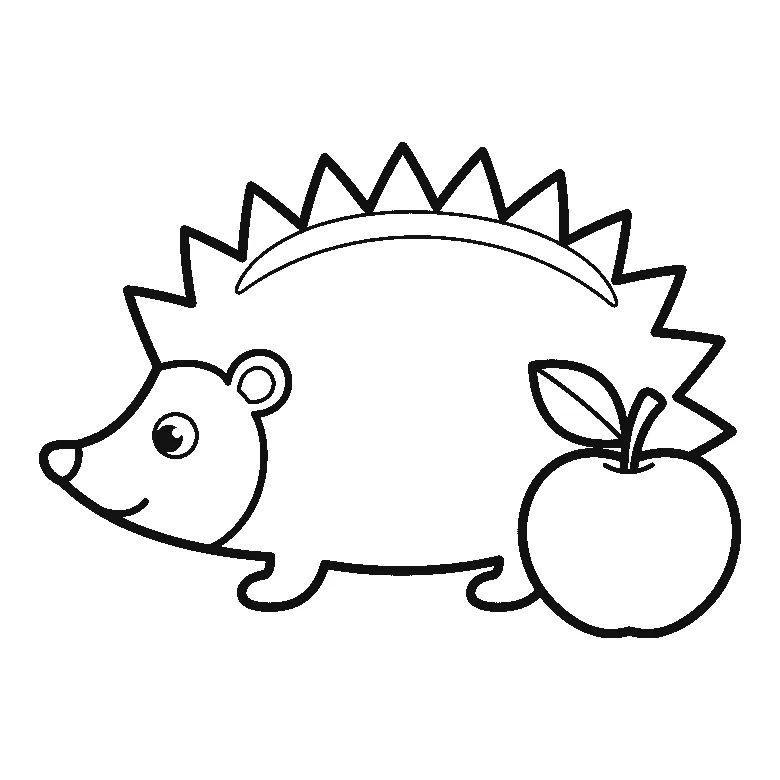
Hedgehog colouring page
A hedgehog in profile beside an apple, its whole back drawn as one row of big triangular spikes.
Colouring outline drawn by us.
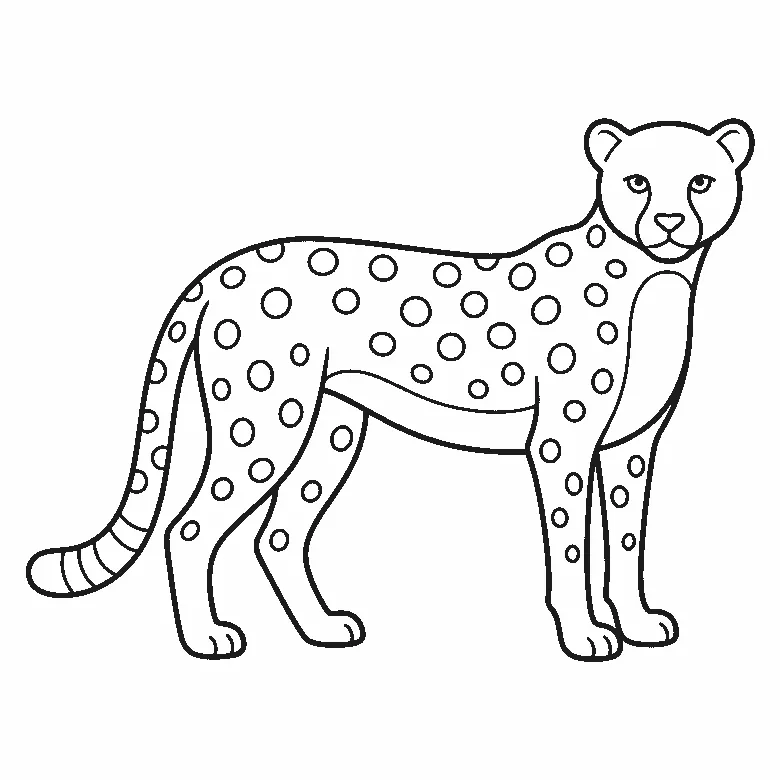
Cheetah colouring page
A cheetah in profile with its head turned to you, covered in solid round spots and a banded tail tip.
Colouring outline drawn by us.
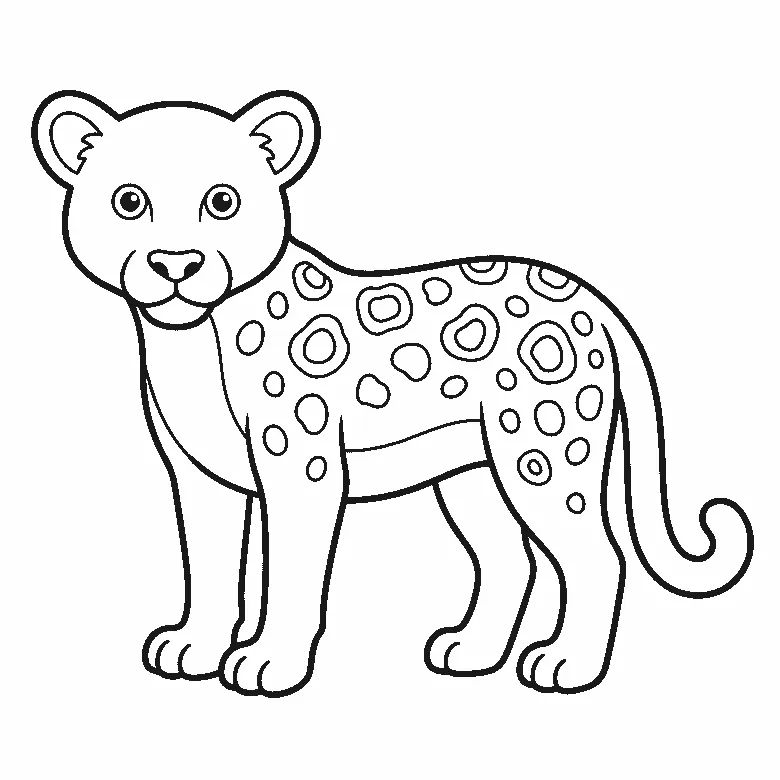
Leopard colouring page
A leopard with its head turned to you, its coat drawn as open rosette rings of different sizes.
Colouring outline drawn by us.
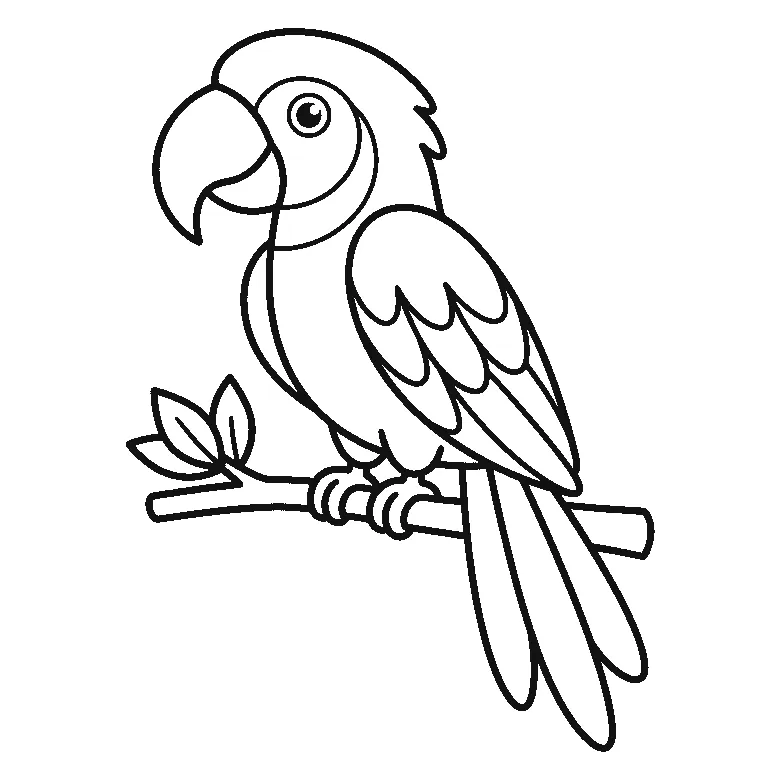
Parrot colouring page
A parrot on a branch with a big hooked beak, a folded wing of broad feathers and three long tail feathers.
Colouring outline drawn by us.


