
PDF · US Letter · 14 KB · Free, no sign-up. For home and classroom use.
Dinosaur coloring page
Two dinosaurs, a boulder, a fern and tufts of grass in black outline, ready to print on letter paper.
Two dinosaurs share this sheet. The larger one stands in profile with a long neck that rises toward the top of the page, a deep barrel of a body, four thick legs, and a tail that sweeps out behind it. Behind that one, a little smaller and set back into the scene, stands a second dinosaur with a row of plates running along its spine. A rounded boulder rests on the ground nearby, a fern opens its fronds beside it, and a few tufts of grass mark the ground line. Black outlines, white paper, nothing shaded in.
The two largest open fields are the long neck and the flank of the tall dinosaur. Those are the areas to start on, because a big shape sets the tone for everything you put next to it. Fill the flank first with the color you care most about, then carry a lighter version of it up the neck so the animal reads as one creature rather than two pieces. The plated dinosaur behind it takes a second color entirely, and the plates along its back can each take a slightly different shade if you want them to catch the eye.
The small shapes here are the plates, the fern fronds, and the grass tufts. Pressing hard inside them tends to push the pigment past the outline and blunt the point of whatever you are holding. A light touch and several passes gets a deeper color without smearing over the line. On the plates in particular, coloring from the middle of each one outward and stopping just short of the edge leaves a hairline of white that makes the row look separated rather than fused into a single band.
Crayon suits the big body panels and struggles in the fern. Colored pencil handles both, and it lets you layer a second color over a first, which is useful if you want the boulder to look like stone rather than a flat gray oval. Markers cover the large areas fast and evenly, but the ink can travel through ordinary printer paper and mark whatever is under the sheet, so slide a spare page beneath before you start. A watercolor pencil brushed with a damp brush will soften the grass into something loose and leafy.
Nobody knows what colors these animals wore, so the sheet leaves the decision entirely to you. Green and brown sit naturally on these two shapes; so do slate blue, dusty rose, or a bright yellow long-necked dinosaur with orange plates on its neighbor. If you want a version that looks like a scene rather than a study, keep the two animals in related tones and give the fern and grass a different family of color so the plants sit behind rather than compete.
A long-necked dinosaur of this build was a plant eater, which is why the fern in the drawing is not accidental. The neck is the whole point of that body shape: it reached food other animals could not. The plated dinosaur behind it has a small head low to the ground and a back ridge that stands well above its spine. Two very different silhouettes sit in one picture here, one built on a long horizontal sweep and the other on a low body broken by a jagged line of plates.
Print it on plain letter paper at actual size rather than fit-to-page, so the outlines keep their weight and the margins stay even. If markers are the plan, heavier paper or thin card stock holds the ink without the color spreading sideways into the neighboring shape. Printing two copies is worth it when two people want to color at the same time, and it also lets you try one version in realistic tones and a second in colors that no animal ever had.
When the page is finished, the pale background around the boulder makes it easy to cut the whole scene out as one shape and mount it on a darker sheet. Taped to a window, the white paper glows and the heavy outlines stay crisp from across the room. This sheet puts two creatures and a stretch of ground cover on one page, so the line work runs through animals and plants alike and there is room to plan the whole scene before the first line of color goes down.
Before you print
- Color the tall dinosaur's flank first, then match a lighter version of that color up the neck.
- Give each back plate on the smaller dinosaur its own shade, stopping short of the edge to keep the row separated.
- Keep the fern fronds and grass tufts light, since pressing hard in those narrow shapes pushes color over the outline.
- Layer a second color over the boulder with a pencil so it reads as stone instead of a flat oval.
- Slide a spare sheet underneath if you use markers, because the ink can travel through plain printer paper.
Published Updated 725 words
More in this section
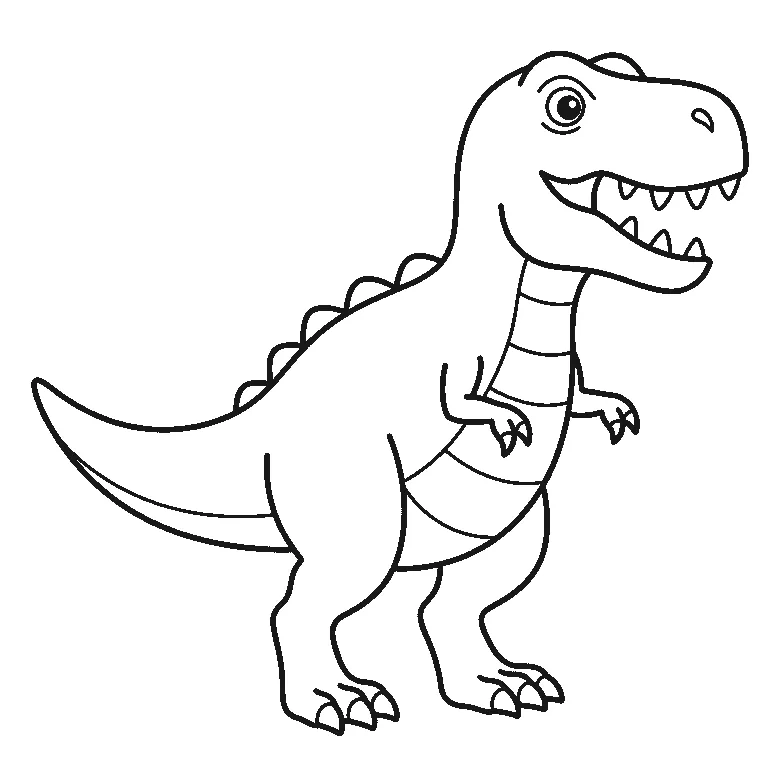
T. rex coloring page
A T. rex in profile with an open mouth, pointed teeth, small arms and a long tail, on plain white.
Coloring outline drawn by us.
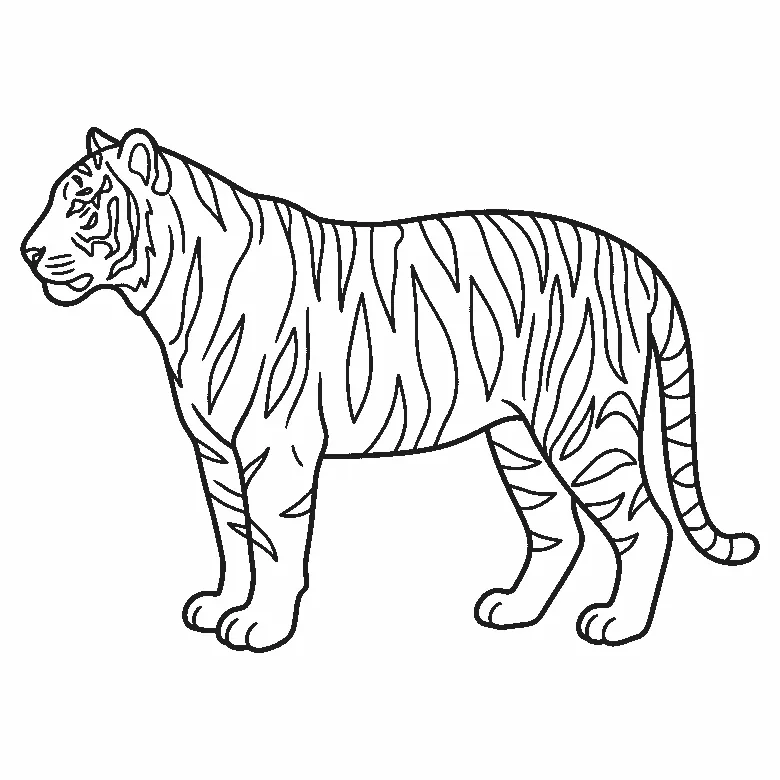
Tiger coloring page
One tiger standing in profile with every stripe drawn as a closed shape you can color inside.
Coloring outline drawn by us.
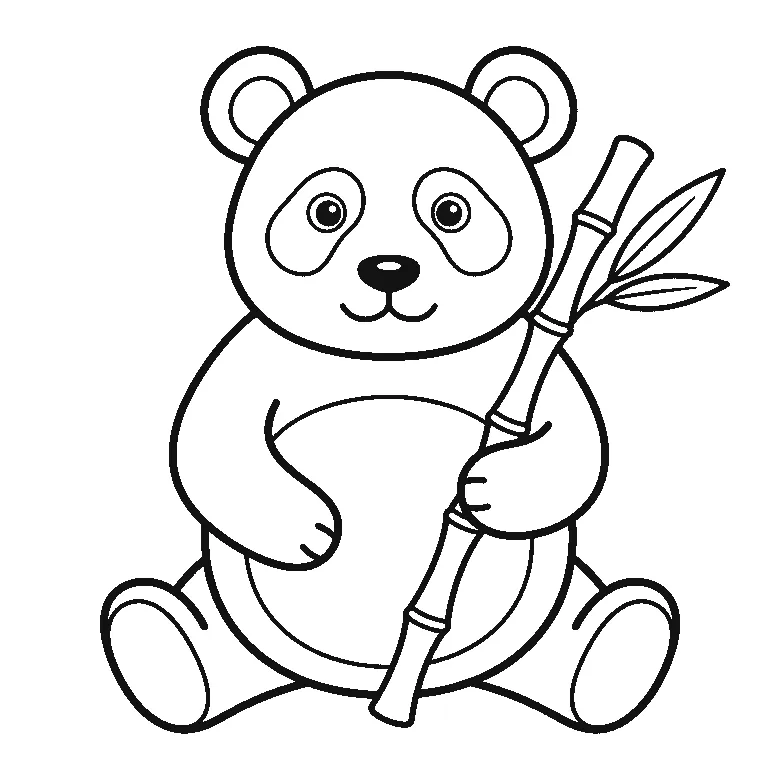
Panda coloring page
A giant panda sitting upright with a bamboo stalk, drawn as a small set of large closed shapes.
Coloring outline drawn by us.
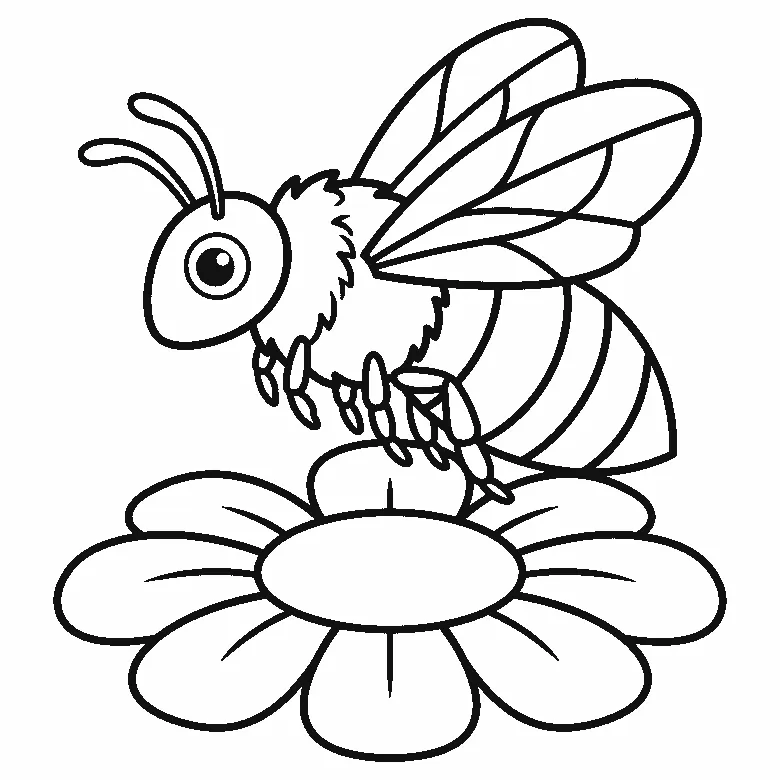
Bee coloring page
One bee on a wide flower, its body already divided into four stripe panels to fill.
Coloring outline drawn by us.
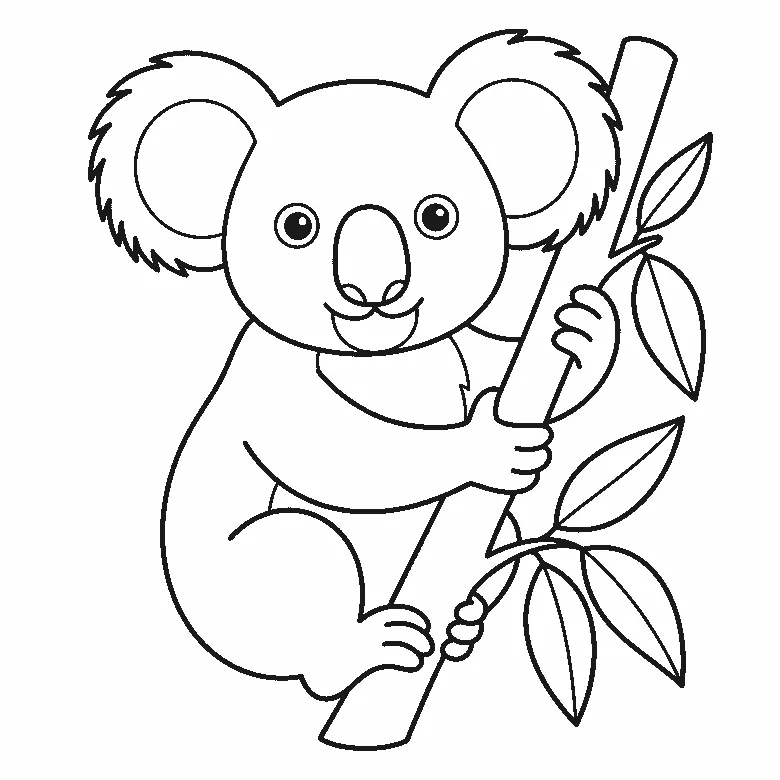
Koala coloring page
A koala hugging a eucalyptus branch, facing forward, with two very large fringed ears.
Coloring outline drawn by us.
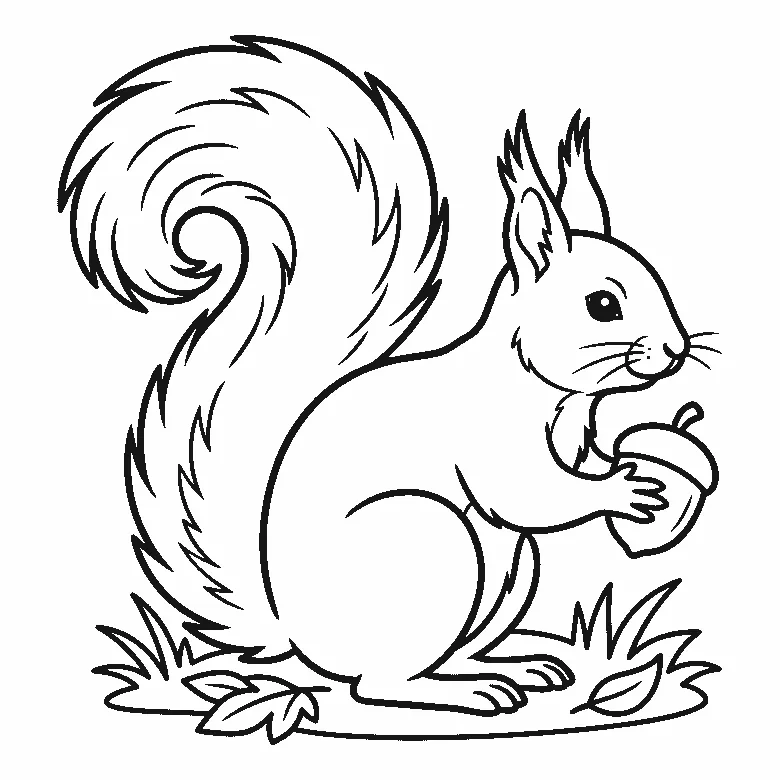
Squirrel coloring page
A squirrel in profile holding an acorn, with a very large curled tail drawn as separate strands.
Coloring outline drawn by us.
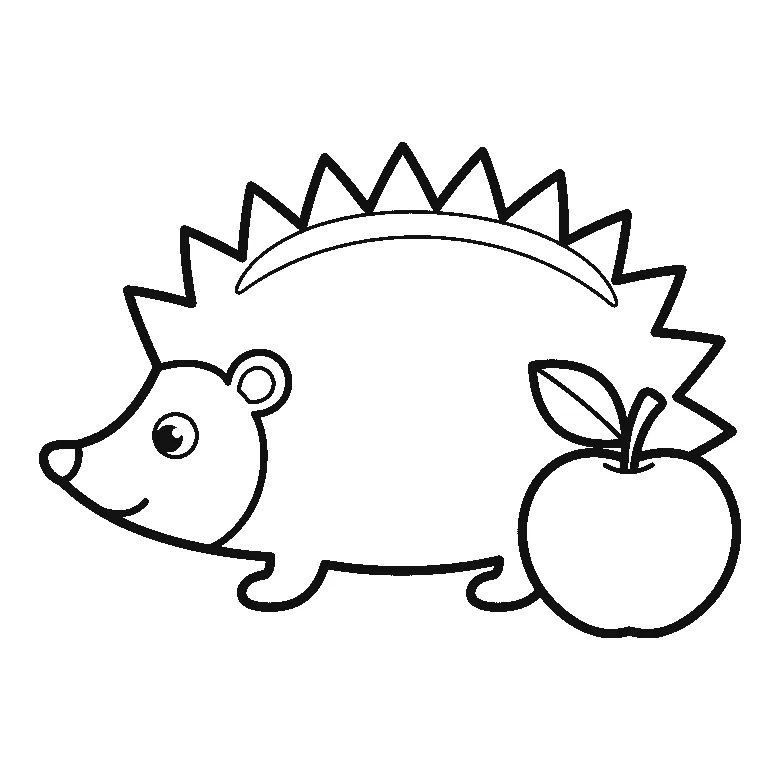
Hedgehog coloring page
A hedgehog in profile beside an apple, its whole back drawn as one row of big triangular spikes.
Coloring outline drawn by us.
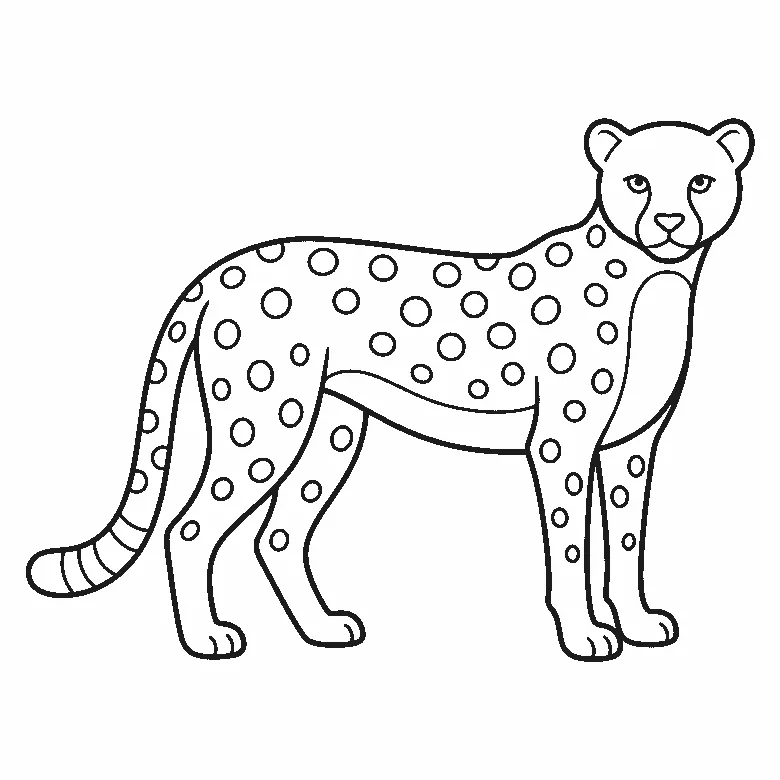
Cheetah coloring page
A cheetah in profile with its head turned to you, covered in solid round spots and a banded tail tip.
Coloring outline drawn by us.
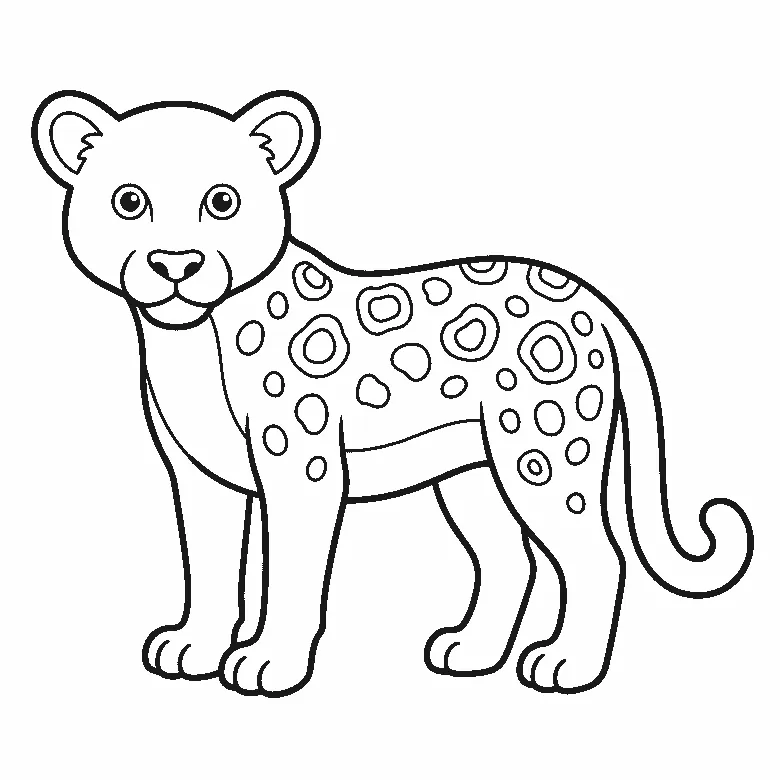
Leopard coloring page
A leopard with its head turned to you, its coat drawn as open rosette rings of different sizes.
Coloring outline drawn by us.
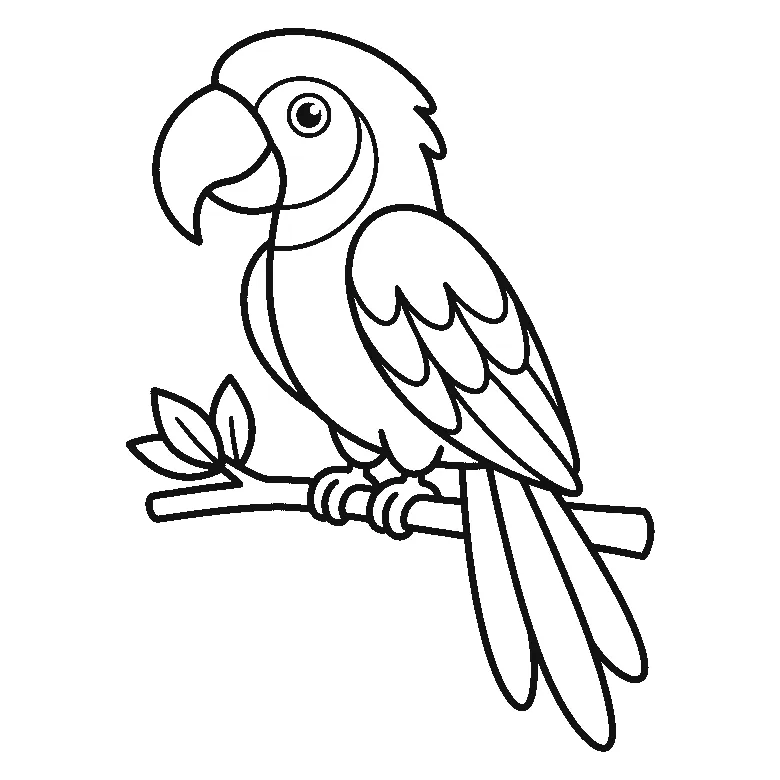
Parrot coloring page
A parrot on a branch with a big hooked beak, a folded wing of broad feathers and three long tail feathers.
Coloring outline drawn by us.
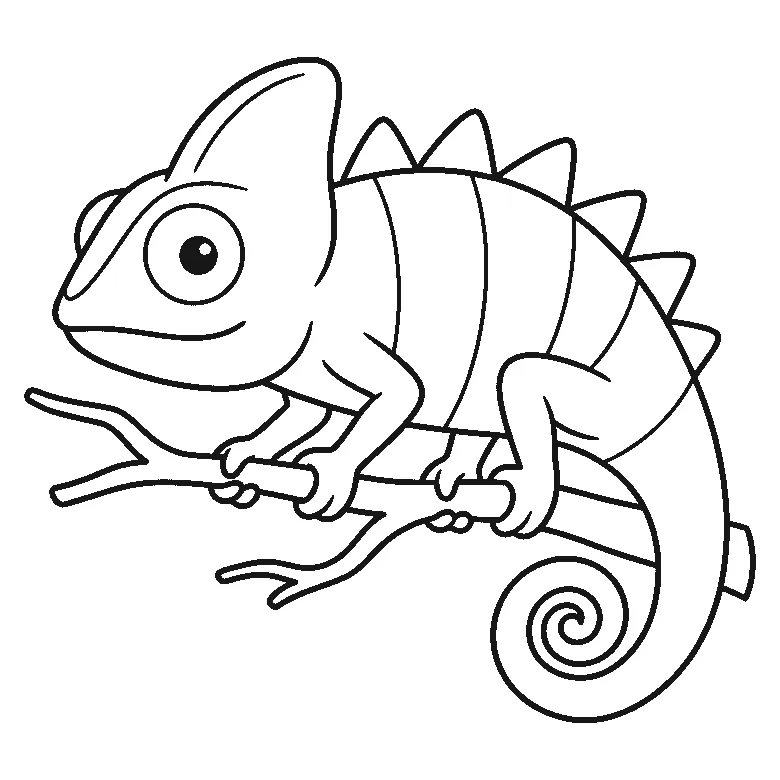
Chameleon coloring page
A chameleon on a branch with a spiral tail, a spiked spine and a body already banded for you.
Coloring outline drawn by us.
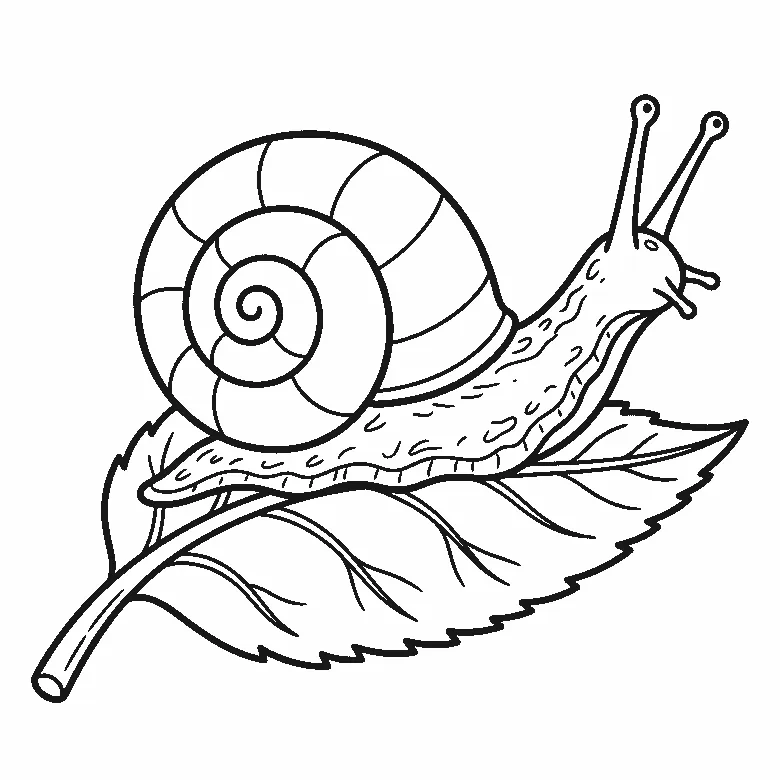
Snail coloring page
A snail crossing a big toothed leaf, its shell a wide spiral of broad bands to fill one by one.
Coloring outline drawn by us.


