Occasions
Christmas, Halloween, Thanksgiving, Easter, Valentine’s Day and the rest of the calendar — the sheets a household prints on the day it needs them.
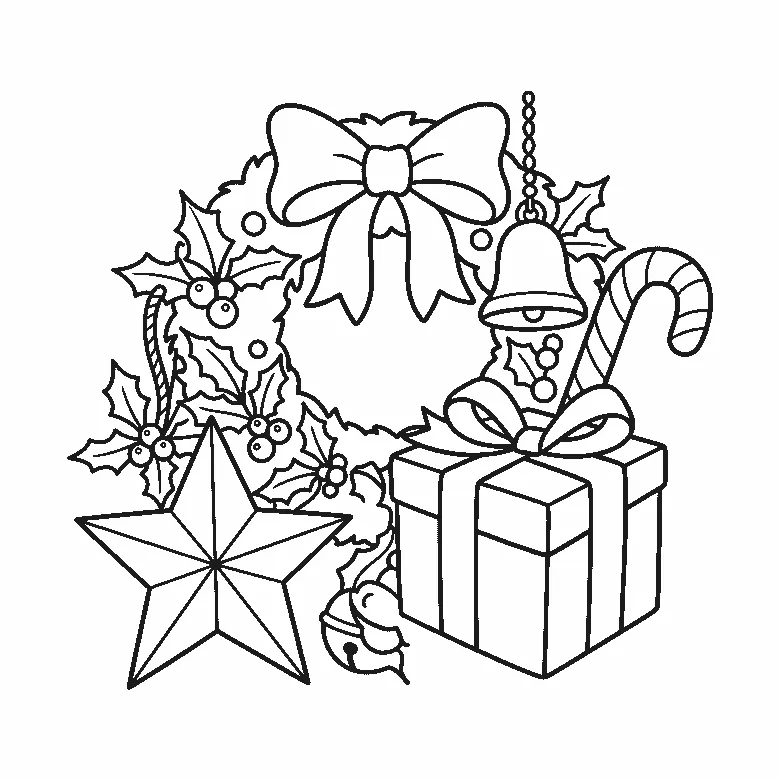
Christmas coloring page
Six separate holiday shapes on one sheet, from holly wreath to jingle bell, free as a US Letter PDF.
Coloring outline drawn by us.
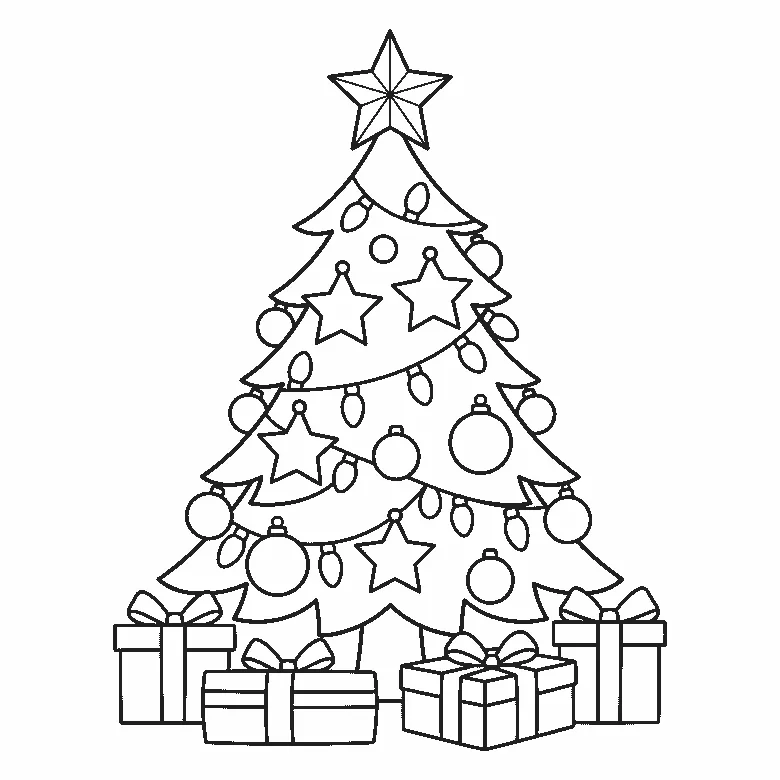
Christmas tree coloring page
One decorated tree with a star, baubles, light strings and five wrapped gifts, in black outline on letter paper.
Coloring outline drawn by us.

Birthday coloring page
A two-tier cake with three lit candles, a stack of two gifts and three balloons, printable at actual size.
Coloring outline drawn by us.
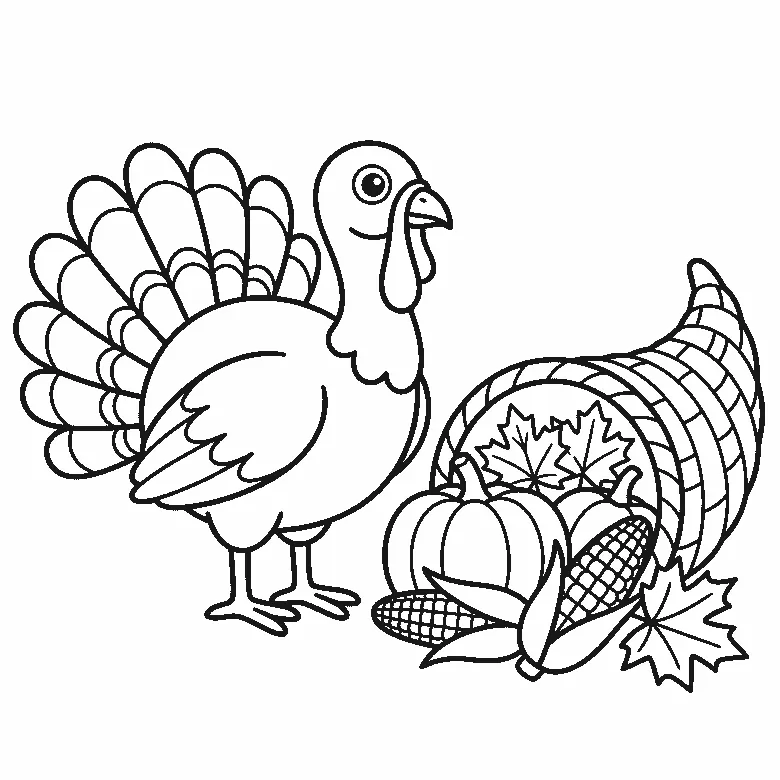
Thanksgiving coloring page
A fan-tailed turkey and a spilling cornucopia in black outline, sized for letter paper and ready to print.
Coloring outline drawn by us.
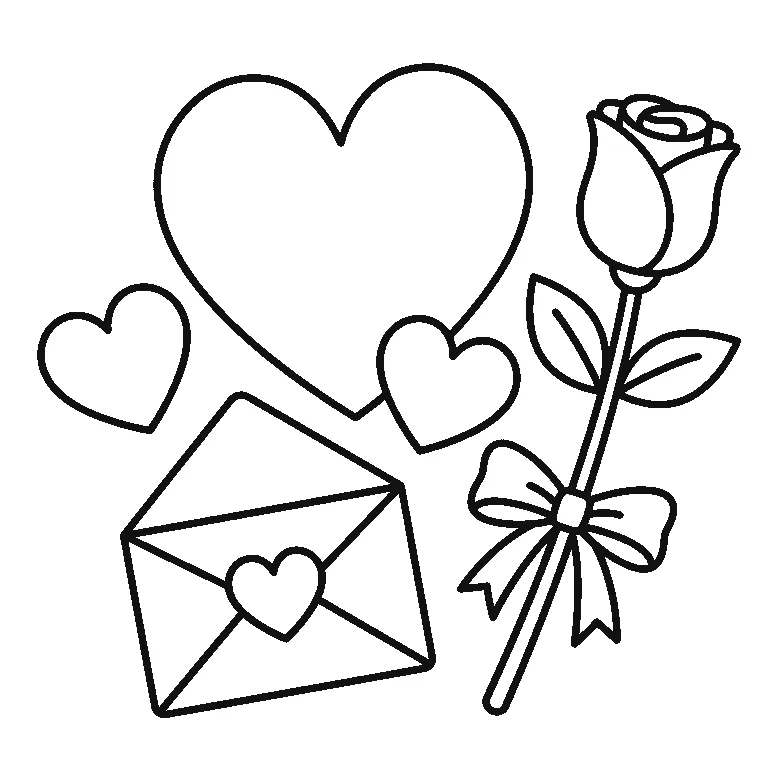
Valentine's Day coloring page
One large heart, two small ones, an open envelope with a heart seal, and a long-stemmed rose tied with a bow.
Coloring outline drawn by us.
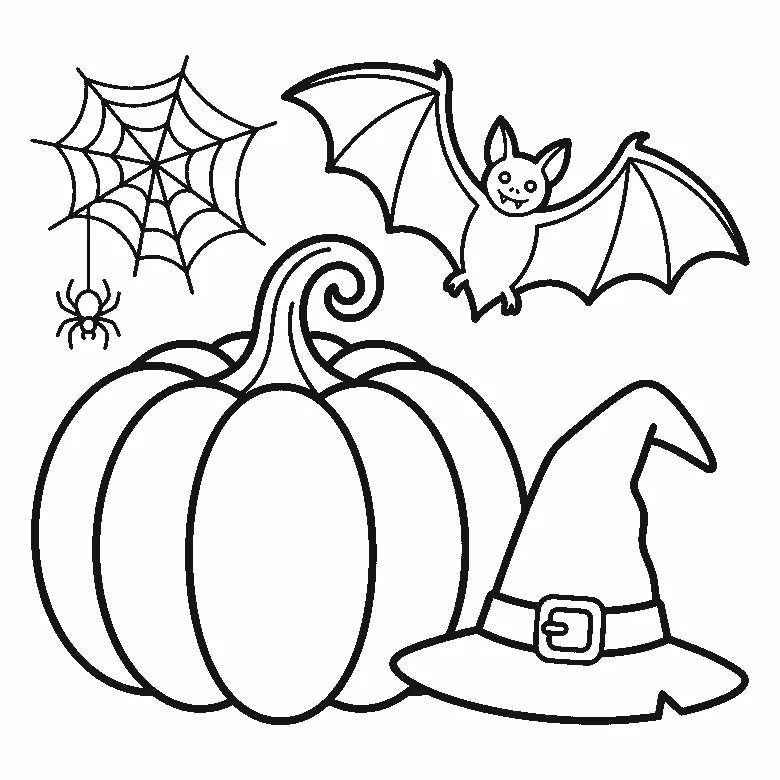
Halloween coloring page
A pumpkin, a bat, a hanging spider and a buckled witch hat on one printable sheet, black outlines on white.
Coloring outline drawn by us.
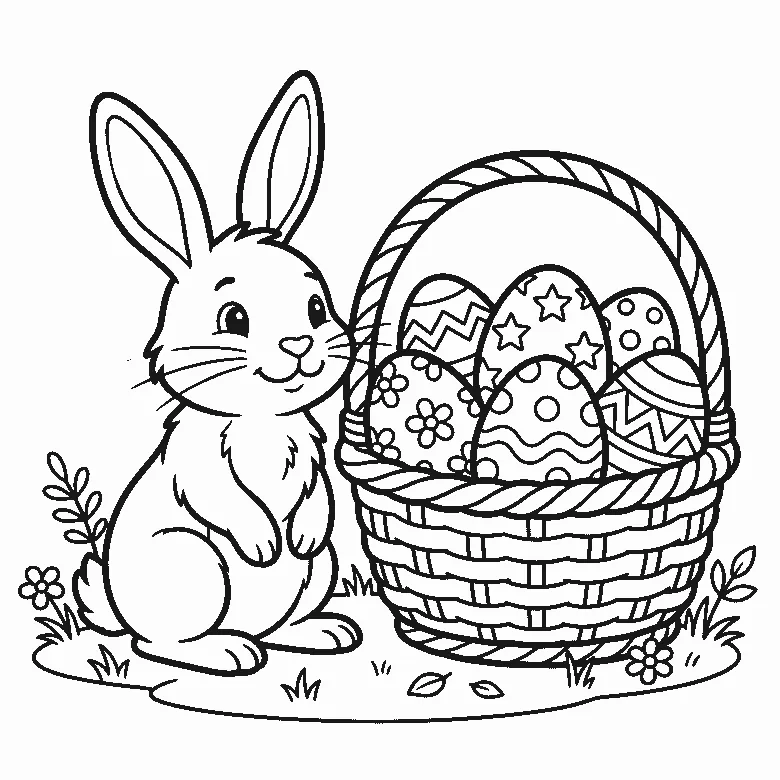
Easter coloring page
A rabbit in profile beside a woven basket of six patterned eggs, drawn in black outline for printing at letter size.
Coloring outline drawn by us.
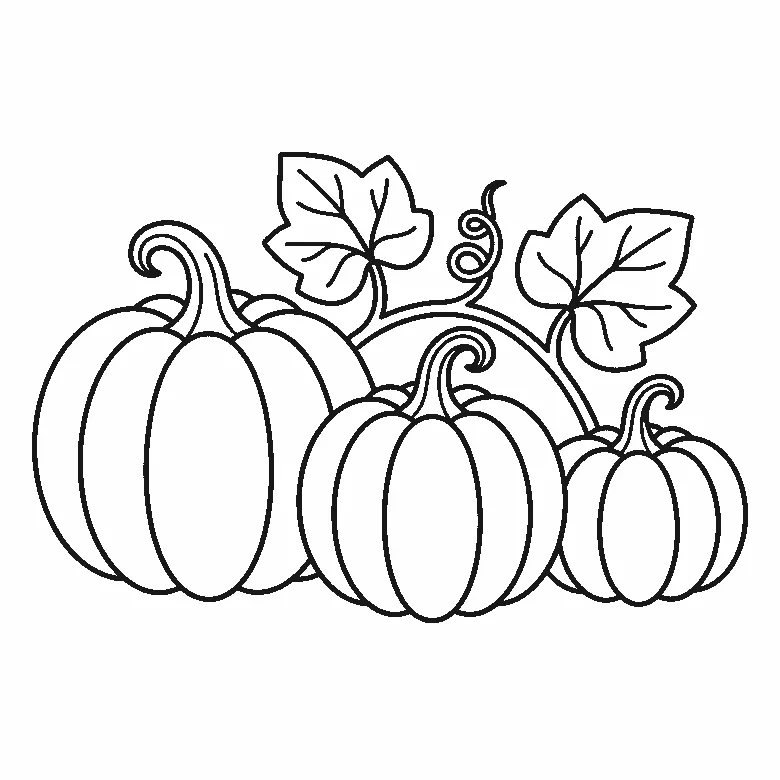
Pumpkin coloring page
Three ribbed pumpkins with curled stems, a vine with two broad leaves and a tendril running behind them.
Coloring outline drawn by us.
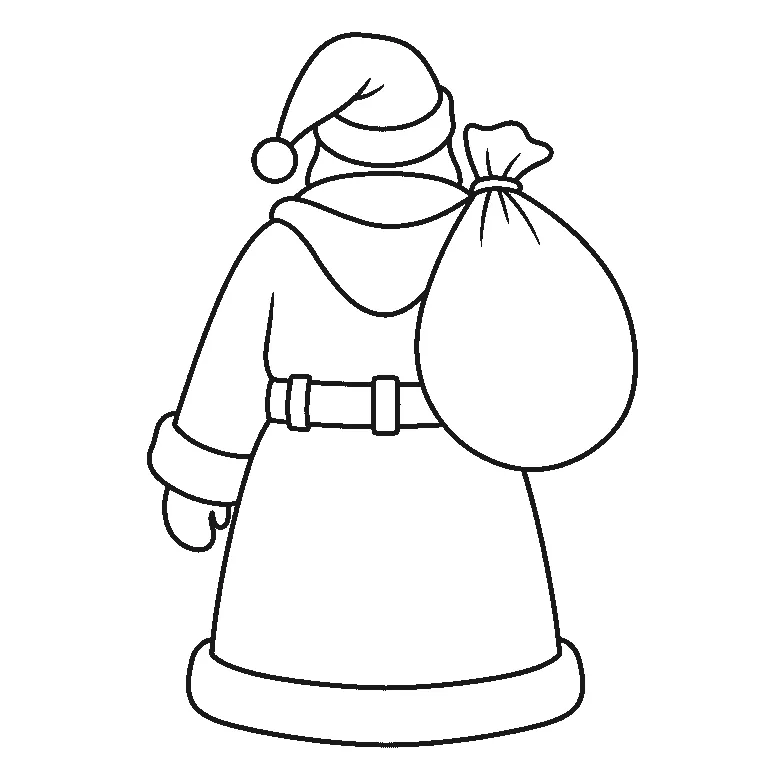
Santa coloring page
Santa drawn from behind in a belted coat with fur cuffs, a pointed hat with a pom-pom, and a sack over one shoulder.
Coloring outline drawn by us.
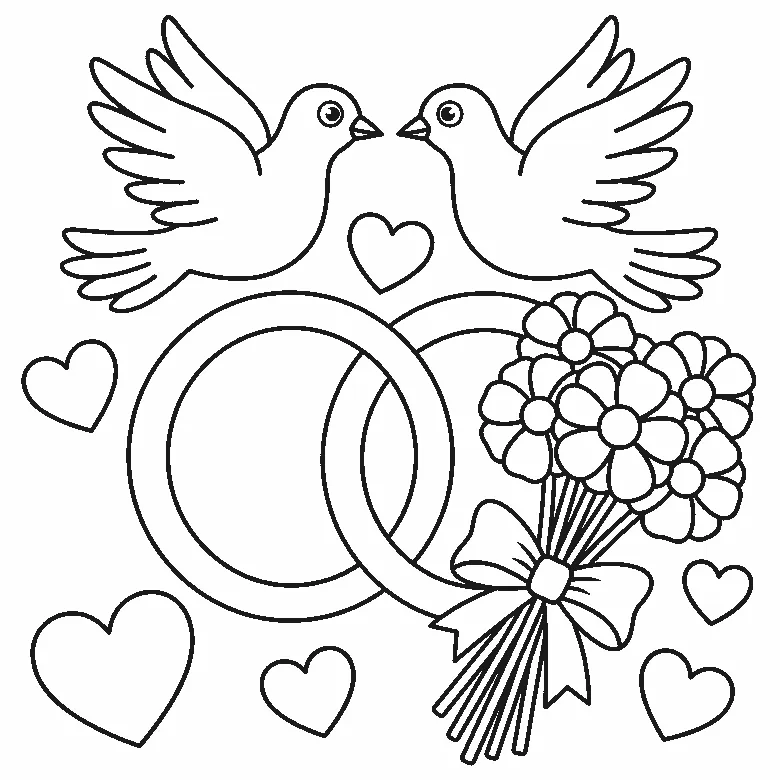
Wedding coloring page
Two interlocking rings, a pair of doves, a tied bouquet and six loose hearts on one sheet, free as a US Letter PDF.
Coloring outline drawn by us.
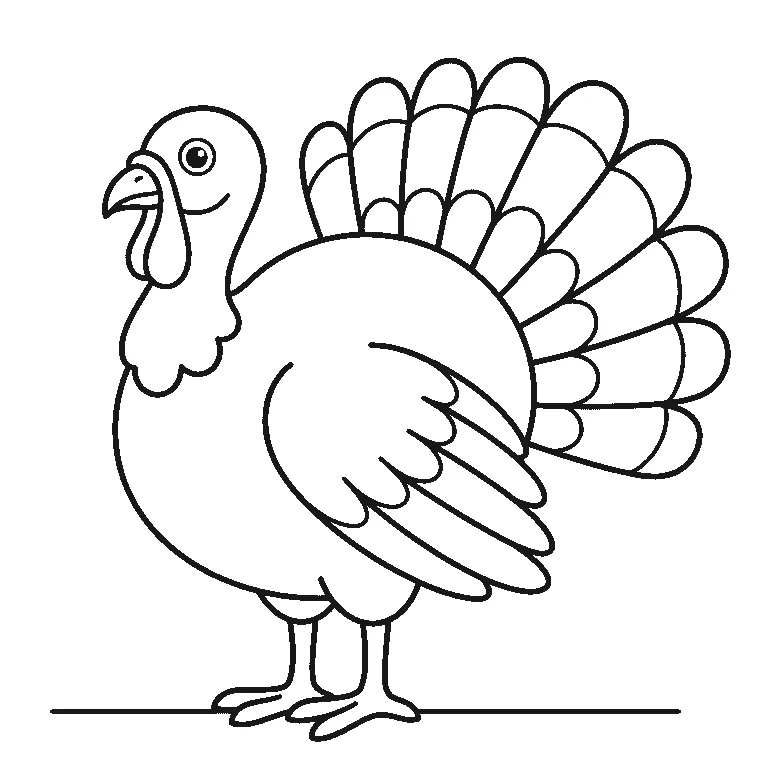
Turkey coloring page
One turkey in profile with a wide fanned tail and a folded wing, drawn large on a US Letter sheet.
Coloring outline drawn by us.

New Year coloring page
A clock at midnight, a firework burst, four balloons, a horn, a party hat and seven stars, printable at actual size.
Coloring outline drawn by us.


Occasions collects the sheets that belong to a particular day rather than to a general interest: Christmas, Christmas tree, Santa, Halloween, pumpkin, Thanksgiving, turkey, Easter, Valentine's Day, birthday, wedding and New Year. Each card opens a page with one drawing on it, a US Letter PDF to print, and PNG previews so you can see the outline before you send anything to the printer. Nothing here is a bundle or a booklet. One subject, one sheet, one page.
The sheets that sit under the Christmas heading are not interchangeable. The Christmas sheet takes the holiday in a general way, as six separate objects on one page. The Christmas tree sheet narrows to the tree alone, so the outline work is concentrated in one shape and its ornaments rather than spread across a scene. Santa is a figure sheet, drawn from behind, so the lines follow a coat and a sack instead of foliage. If you want all three, print all three; they were drawn as separate pages and none of them repeats another.
Halloween and pumpkin work as a pair for the same reason. The Halloween sheet treats the holiday itself, while the pumpkin sheet is a pumpkin — a single round subject with ribbed sides and a stem, the kind of shape that fills fast with one color and then rewards a second pass for the shading between ribs. A gourd on a table is not tied to any one evening, so that subject still reads in November and it still reads in a kitchen with nothing seasonal around it.
Thanksgiving and turkey are the newer pair and they divide the same day between them. The Thanksgiving sheet is an arrangement: several objects of the harvest sitting together on one page. The turkey sheet is one bird drawn large in profile, with a fanned tail of separate feathers taking up most of the width. The first is a page of small decisions, the second is a page of one long one, and the two of them side by side make an obvious set for a table at the end of November.
Easter and Valentine's Day each get one sheet and they sit at opposite ends of a color box. Easter belongs to the part of spring associated with eggs, new growth and pale color. Valentine's Day carries hearts, and a heart is symmetrical, so it is a forgiving shape to color: whatever you do on the left half can be answered on the right. Printed side by side they read as opposites, one page pale and the other saturated.
Birthday, wedding and New Year are the three that behave differently on a calendar. A birthday happens on a different day for everyone in the house, so that sheet is not fixed to one square at all, and the file sits ready for whenever the day lands. A wedding is the same: the sheet carries two rings, two doves and a tied bouquet and waits for whatever day it is wanted. New Year is fixed to one evening, and the drawing marks it with a clock whose hands stand together at the top and no numerals anywhere on the face, so the same file prints again next year without dating itself.
Picking between the sheets is mostly a question of how much time is in front of you and how steady the hand doing the coloring is. A page built around one large subject, like the pumpkin, the tree or the turkey, gives broad areas that a young child can fill without crossing many lines. A page that treats a whole holiday spreads its line work across more separate shapes, which suits an older hand and a longer sitting. Open the PNG preview on any card and you can judge that in a second, before printing.
Every page in this section is built to the same letter-size PDF, with margins that keep the drawing clear of the edge on a standard home printer. Plain copy paper is enough for crayon and colored pencil. Card stock holds up better under markers and is worth using if the finished page is going to be cut out, folded or stood up. Print more than one copy while the file is open if you want a spare: a second sheet already on the table means a first attempt can be set aside and started again without going back to the printer.
Once a sheet is colored it does not have to stay flat. A finished page can be folded in half to make the front of a card, trimmed down to a place setting, taped in a window where the light comes through, or pinned to the refrigerator until the day passes and the next one comes around. Nothing on any of these pages is dated or personalized, so the same file prints again next year exactly as it printed this time.
Published Updated 12 sheets818 words