
PDF · US Letter · 13 KB · Free, no sign-up. For home and classroom use.
Parrot coloring page
A parrot on a branch with a big hooked beak, a folded wing of broad feathers and three long tail feathers.
A parrot perches on a branch that runs across the lower part of the sheet, its body turned toward the viewer and its head in profile facing left. One large round eye with a filled pupil and a small white highlight sits high on the head, above a heavy hooked beak drawn in two parts, with a rounded crest of feathers rising behind it. The folded wing covers most of the body and is drawn as a stack of broad feather shapes, each closed and each larger than anything else on the bird. Three long tail feathers hang below and past the branch. Two feet grip the branch, and a short leafy twig comes off it to the left.
The wing is the best thing on this page to color and the reason to take it slowly. Its feathers are large, they overlap in a clear order, and each one is a closed shape, which means a graded sequence is possible without any blending: give the topmost feather the lightest tone and each one below it a step darker, and the wing gains depth that a flat fill cannot produce. Six or seven steps of one pencil's pressure is enough.
The three tail feathers are the same idea at a bigger scale. They are long, narrow and separate, and because they hang below the branch they sit against white paper on both sides, which makes them the most visible shapes on the sheet from a distance. Whatever goes on them should be the strongest color in the scheme, or they read as an afterthought under a busy bird.
The beak is the one place where the drawing has done something a colorist has to respect: it is drawn as an upper hook and a separate lower mandible, with a line between them. Coloring them as one shape loses the hook. Two slightly different tones, or one tone with a harder press along the dividing line, keeps them apart and keeps the head reading correctly.
The head and the crest are open areas by comparison, and the eye is already filled with a highlight left white inside the pupil. That highlight is the only part of this drawing that must not be colored over: it is what makes the eye look wet rather than flat, and once it is filled there is no way back on a printed sheet.
A macaw scheme, red head running into yellow and blue down the wing, is what the outline invites, and it suits a bird whose feathers are drawn as separate bands. Anything works: green over the whole body with a contrasting tail is a real parrot too, and a bird in three cool colors is still obviously a parrot because the beak and the crest carry the identification. The branch is best kept quiet, since it is the only thing on the sheet the bird is not.
A plain fact about the bird sits in the shape of its foot. Parrots have two toes forward and two back on each foot, which is why the grip drawn here wraps the branch from both sides instead of curling over it from the front — it is the arrangement that lets a parrot hold food up to its beak. The heavy hooked beak in the drawing does the other half of that job, and the two together are why the family is drawn the way it is.
Print at actual size on plain letter paper so the divisions between the wing feathers stay open. If markers are the plan, they suit the tail and the body but will bridge the feather divisions on the wing, so a fine tip or a pencil is worth having for that half of the bird. Cut out and the parrot comes away with the branch attached under its feet, which gives the shape a base to stand on; cutting above the branch instead frees the bird alone.
Before you print
- Step the wing feathers from light at the top to dark at the bottom; the wing gains depth with no blending.
- Put the strongest color on the three tail feathers, which hang against white paper and read from a distance.
- Keep the upper beak and the lower mandible different, or the hook disappears.
- Do not color over the white highlight inside the eye; it is what makes the eye look wet.
- Keep the branch quiet in color so the bird stays the loudest thing on the sheet.
Published Updated 658 words
More in this section
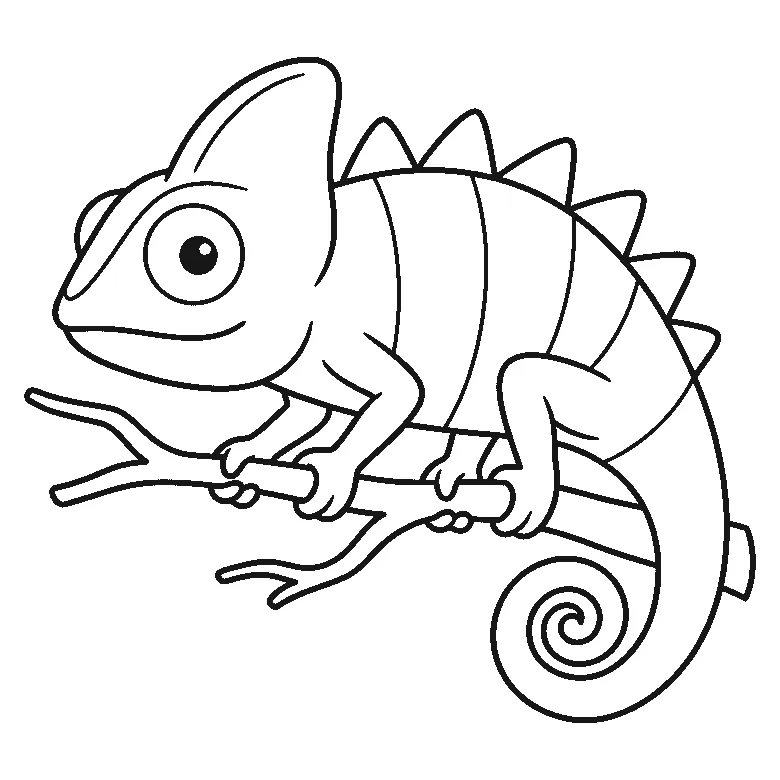
Chameleon coloring page
A chameleon on a branch with a spiral tail, a spiked spine and a body already banded for you.
Coloring outline drawn by us.
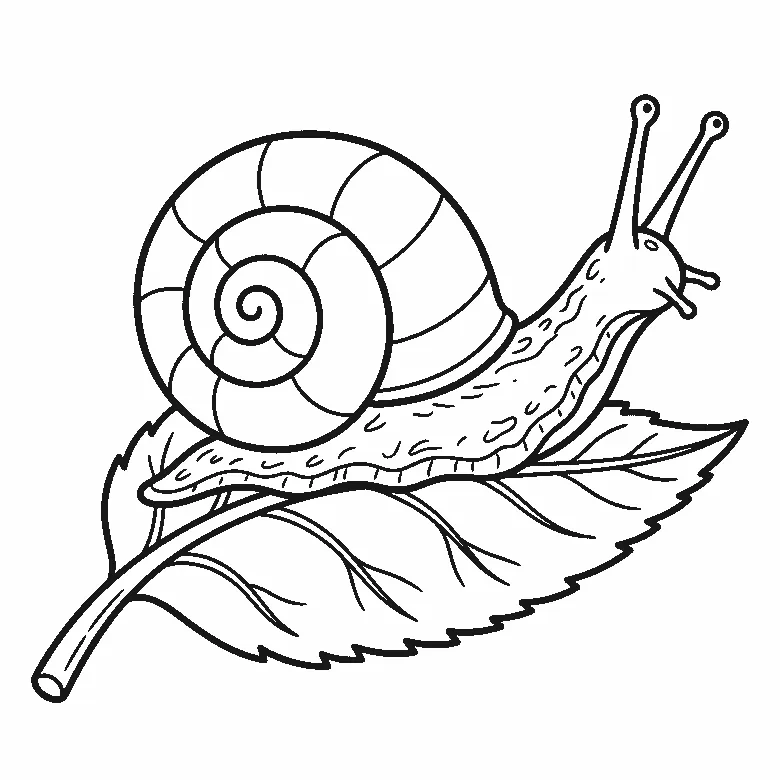
Snail coloring page
A snail crossing a big toothed leaf, its shell a wide spiral of broad bands to fill one by one.
Coloring outline drawn by us.
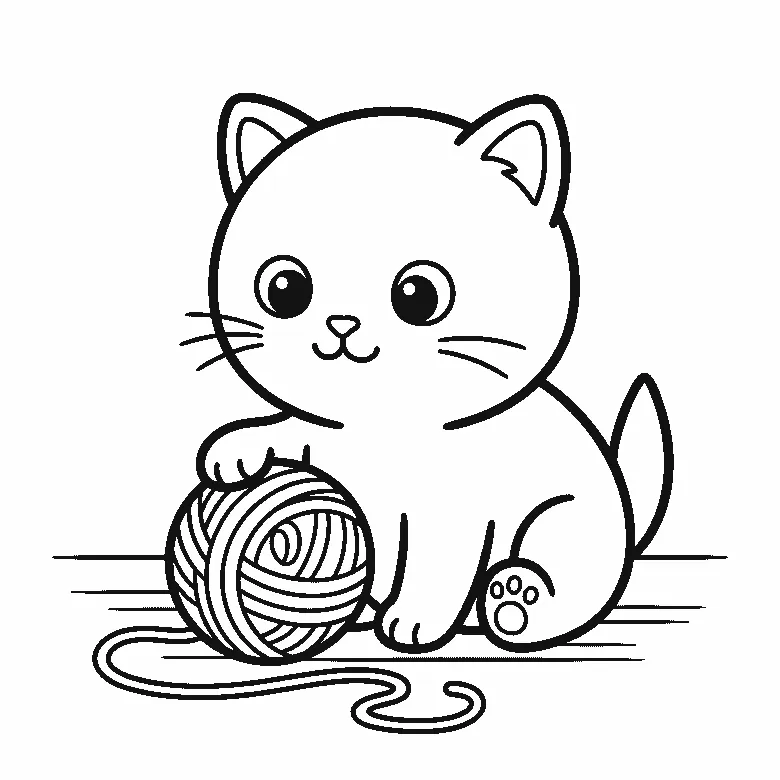
Kitten coloring page
A round-headed kitten sitting with one paw on a ball of yarn, the loose thread trailing away across the floor, free as a US Letter PDF.
Coloring outline drawn by us.
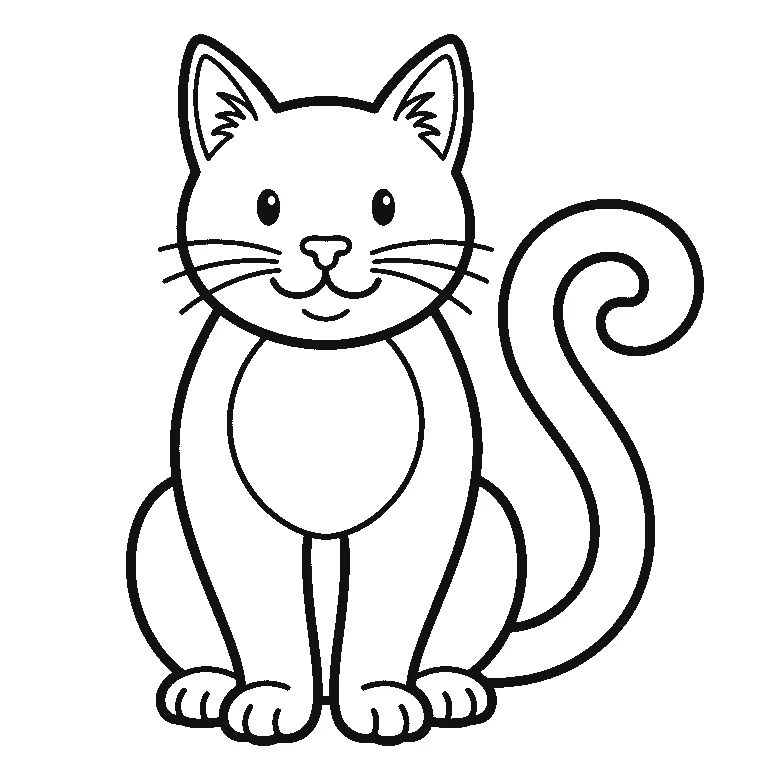
Cat coloring page
An upright, forward-facing cat with tufted ears and a curled tail, in thick black outlines on one letter-size sheet.
Coloring outline drawn by us.
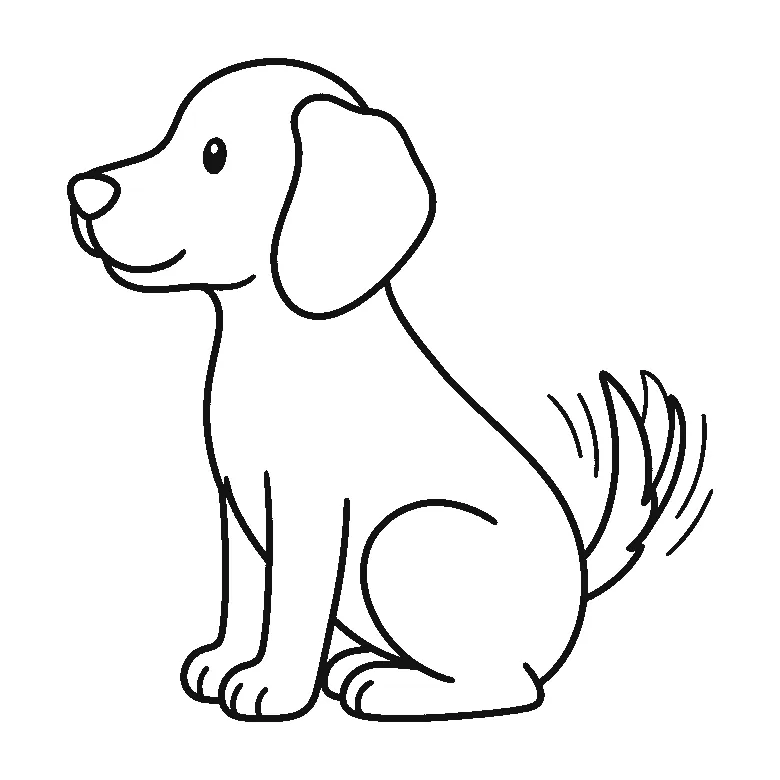
Dog coloring page
A dog in profile with one floppy ear and a feathered tail, drawn in open black outlines and ready to print at actual size.
Coloring outline drawn by us.
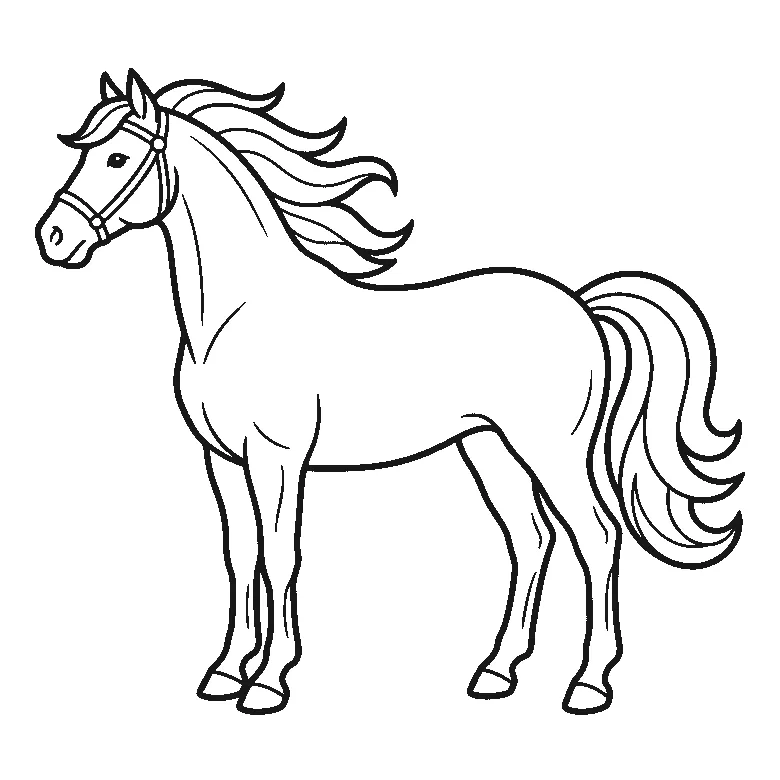
Horse coloring page
A horse standing in profile in its bridle, with a long streaming mane and full tail, on one printable letter-size sheet.
Coloring outline drawn by us.
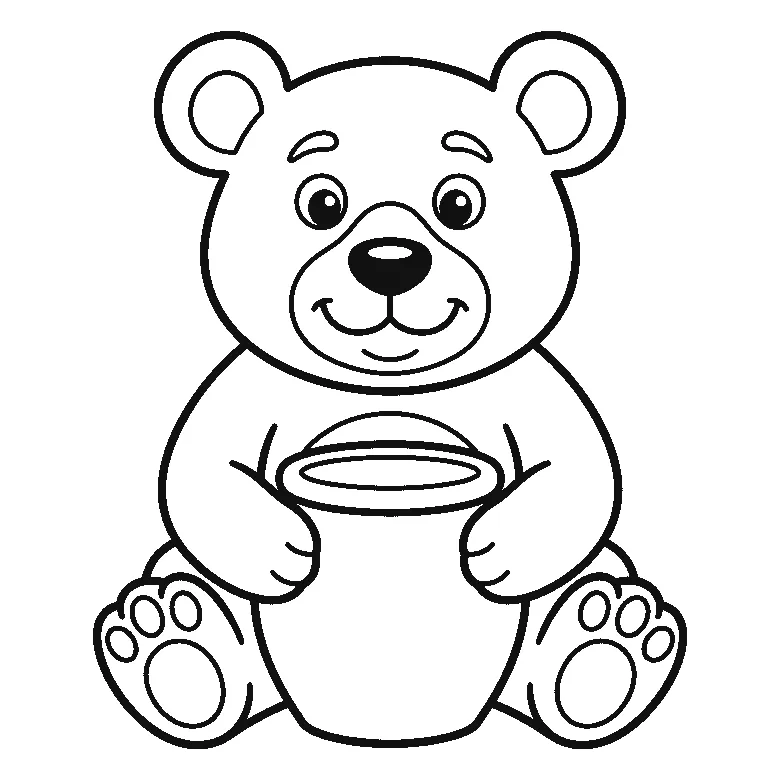
Bear coloring page
A round bear sitting with a honey pot in its paws, drawn in thick black outlines and free to print at letter size.
Coloring outline drawn by us.
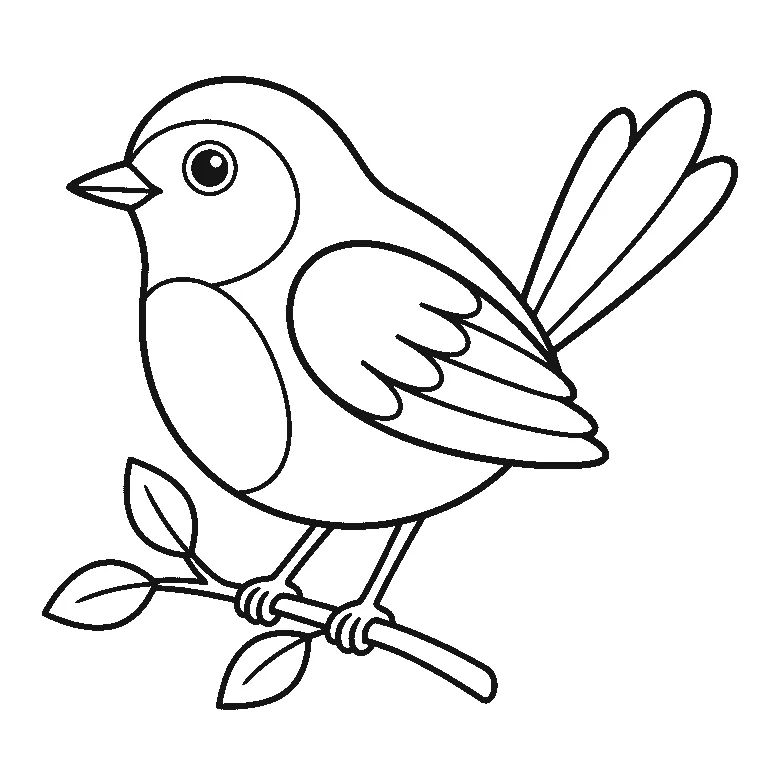
Bird coloring page
Free letter-size printable: a plump songbird perched on a leafy twig, with a long layered tail worth taking slowly.
Coloring outline drawn by us.
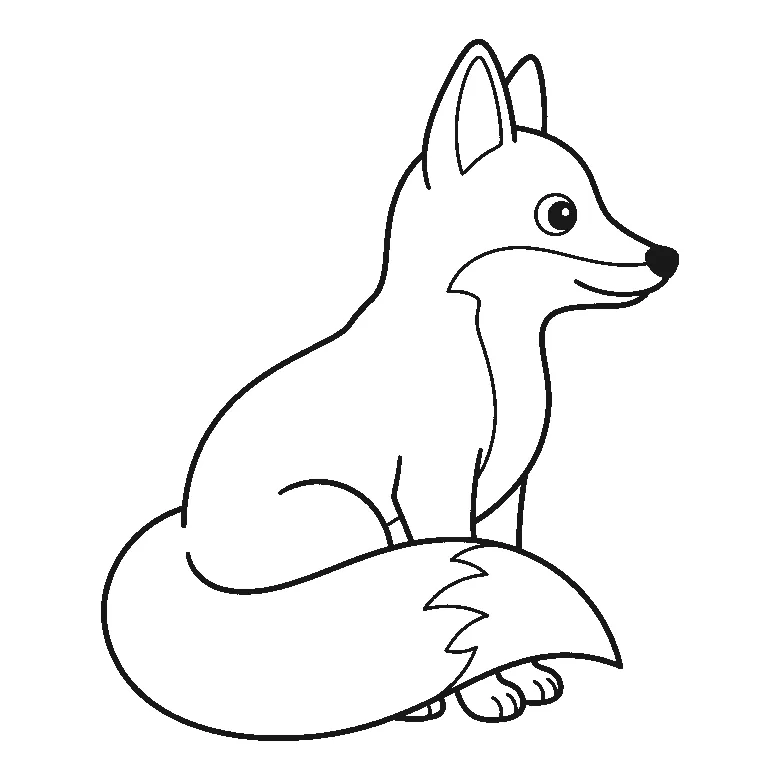
Fox coloring page
A sitting fox in profile with a huge bushy tail curled around in front, free to print at letter size.
Coloring outline drawn by us.
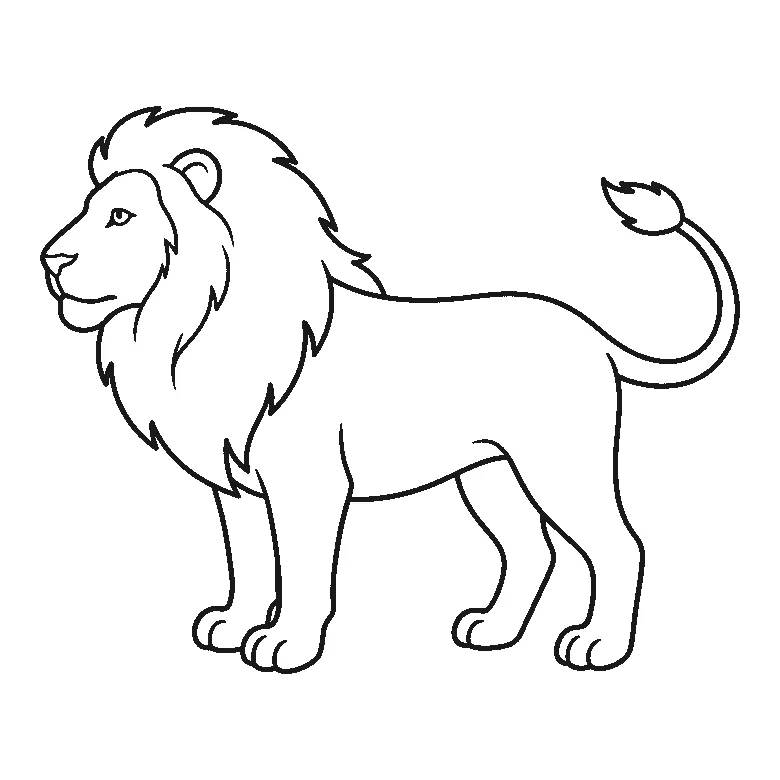
Lion coloring page
One lion in profile with a full ruffled mane, ready to print on plain letter paper and color.
Coloring outline drawn by us.
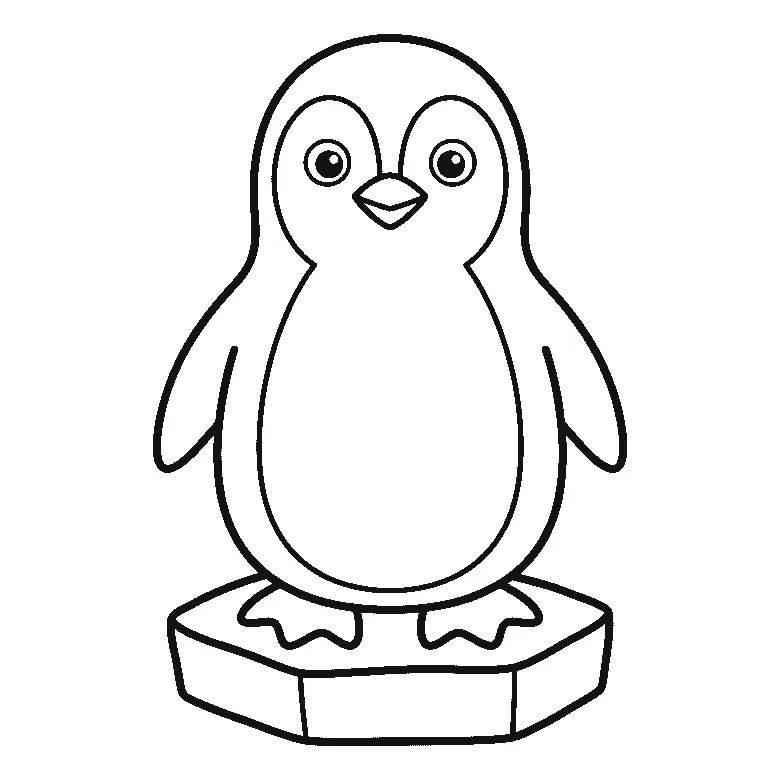
Penguin coloring page
A penguin standing on a block of ice, drawn in a few big shapes that fill fast with any medium.
Coloring outline drawn by us.
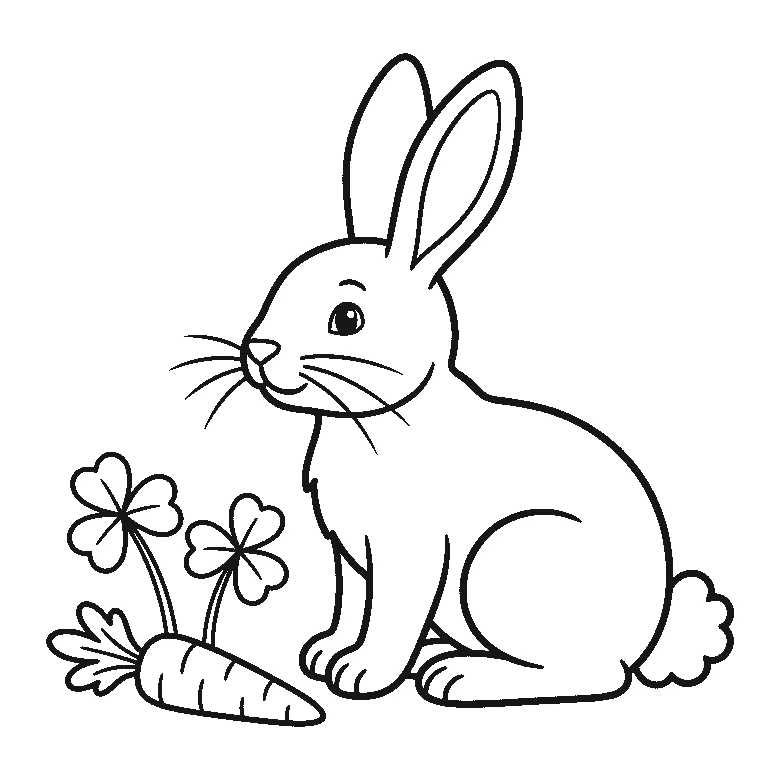
Rabbit coloring page
A sitting rabbit with tall ears, whiskers and a fluffy tail, plus a carrot and two clover flowers.
Coloring outline drawn by us.


