
PDF · US Letter · 10 KB · Free, no sign-up. For home and classroom use.
Hedgehog coloring page
A hedgehog in profile beside an apple, its whole back drawn as one row of big triangular spikes.
A hedgehog stands in profile facing left, with one round eye and a filled pupil, a small round ear, a pointed snout with a little nose at the tip and a curved smile below it. Its back is drawn in the simplest way this subject can be drawn: a single row of large triangles running along the top outline, with one long curved line beneath them separating the spiny back from the face and feet. Everything inside that curve is one enormous open area. Two small feet show at the bottom, and an apple with a leaf stands beside the animal at the right.
That one big open back is what makes this a good sheet for a young hand and a slow sheet for anyone who wants detail. There is nothing to steer around: a crayon can cross the whole body in one pass. The triangles along the top are the only shapes needing care, and even those are large, closed and well separated. It is possible to finish this page in three colors and have it look complete.
If you want more from it, the back is an invitation rather than an empty field. Drawing your own spines into that space, as short strokes leaning the same way as the triangles above them, turns one flat area into texture and takes only a few minutes. Because the drawing has left the area plain, anything added there is yours rather than a correction of a line that was already on the page.
The triangles themselves are worth a plan. Filling all of them one color gives a clean, graphic animal. Alternating two colors along the row gives a spiky rhythm that is visible from a distance. Filling every second one and leaving the others white is the fastest of the three, and it reads as light catching the spines. Whichever you pick, work from the nose end backward so the sequence does not have to be corrected at the tail.
The face is small and holds the only fine work on the page: the eye is already filled, but the nose, the ear and the mouth line all sit within a couple of pencil widths of each other. A sharp pencil handles them comfortably. If a marker is the tool in hand, do the face last, after the broad areas, so that a slip has nowhere important to land.
The apple is the second subject on the sheet and the natural place for the strongest color. It is a single round closed shape with a stalk and a leaf, which makes it about as forgiving as a shape can be, and putting a solid red or green there gives the page a second point of interest away from the animal. The leaf carries a center vein, so it splits into two halves that can differ slightly.
One plain fact about the animal is worth knowing while you fill it. A hedgehog's spines are modified hairs — stiff, hollow tubes of keratin, the same material as fingernails and ordinary hair — and unlike a porcupine's quills they are not barbed and do not come loose. That is why they are drawn here as part of the body outline rather than as loose objects: on a real hedgehog they stay attached.
Print at actual size on plain letter paper. Nothing here is delicate enough to be lost at a smaller scale except the face, but the face is the part that makes it a hedgehog. Card stock is only necessary if markers are involved, and the large open back is exactly where marker ink will soak through onto whatever the page is resting on. Cut out along the row of triangles and the animal comes away with a sawtooth top edge, which stands up as a shape on its own.
Before you print
- Fill every second triangle and leave the rest white if you want the quickest finish that still reads as spines.
- Work the triangles from the nose end backward so an alternating sequence does not run out at the tail.
- Add your own short strokes inside the open back, leaning the same way as the triangles, for texture.
- Do the face last if you are using markers, so a slip has nowhere important to land.
- Put the strongest color on the apple; it is a single closed shape and it carries the right side of the page.
Published Updated 639 words
More in this section
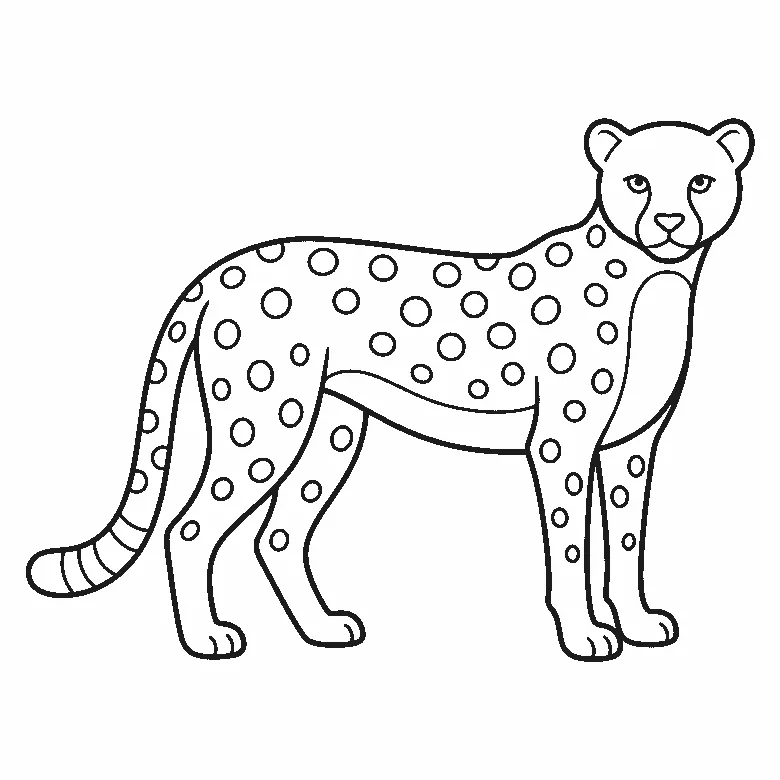
Cheetah coloring page
A cheetah in profile with its head turned to you, covered in solid round spots and a banded tail tip.
Coloring outline drawn by us.
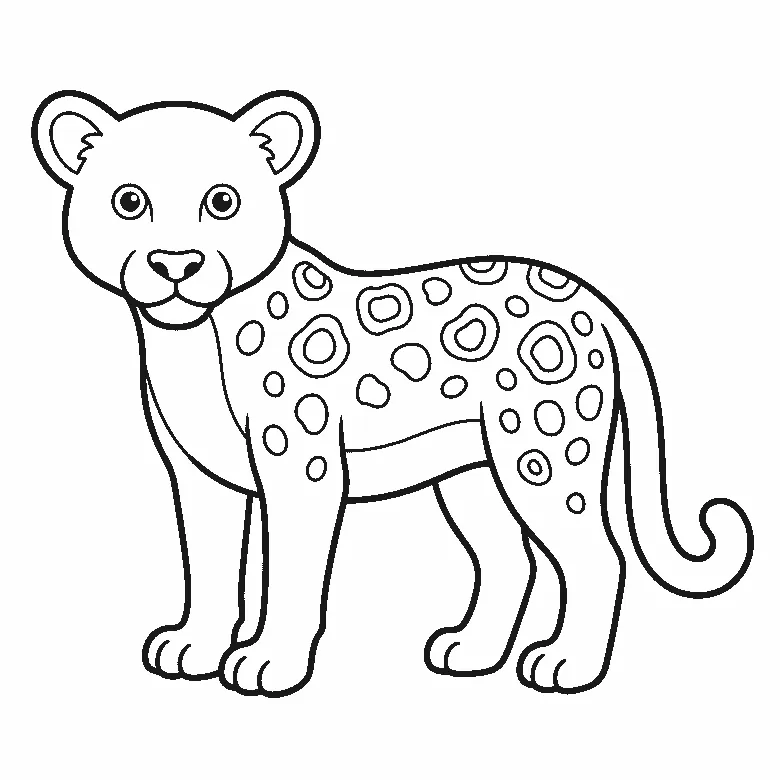
Leopard coloring page
A leopard with its head turned to you, its coat drawn as open rosette rings of different sizes.
Coloring outline drawn by us.
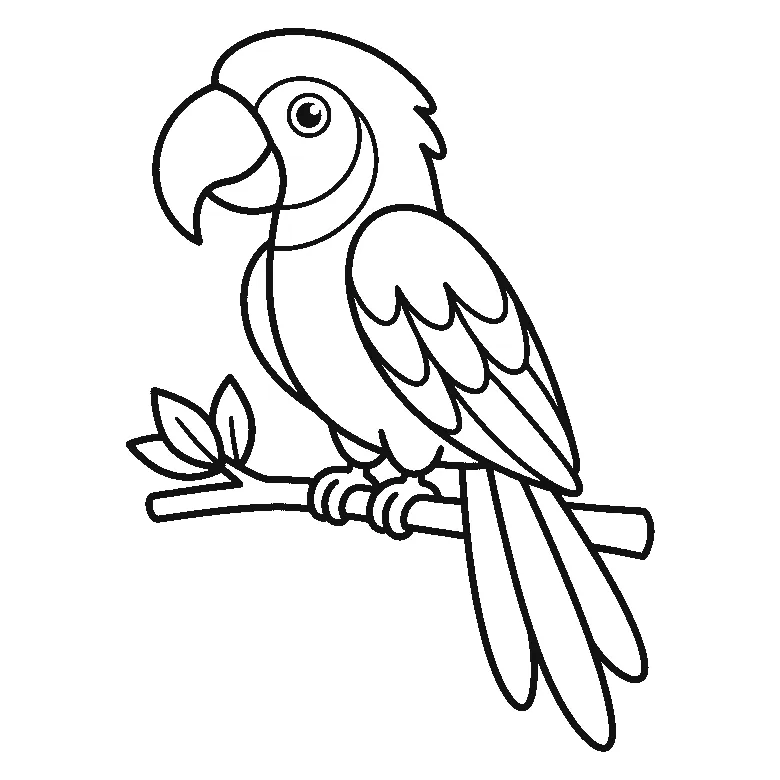
Parrot coloring page
A parrot on a branch with a big hooked beak, a folded wing of broad feathers and three long tail feathers.
Coloring outline drawn by us.
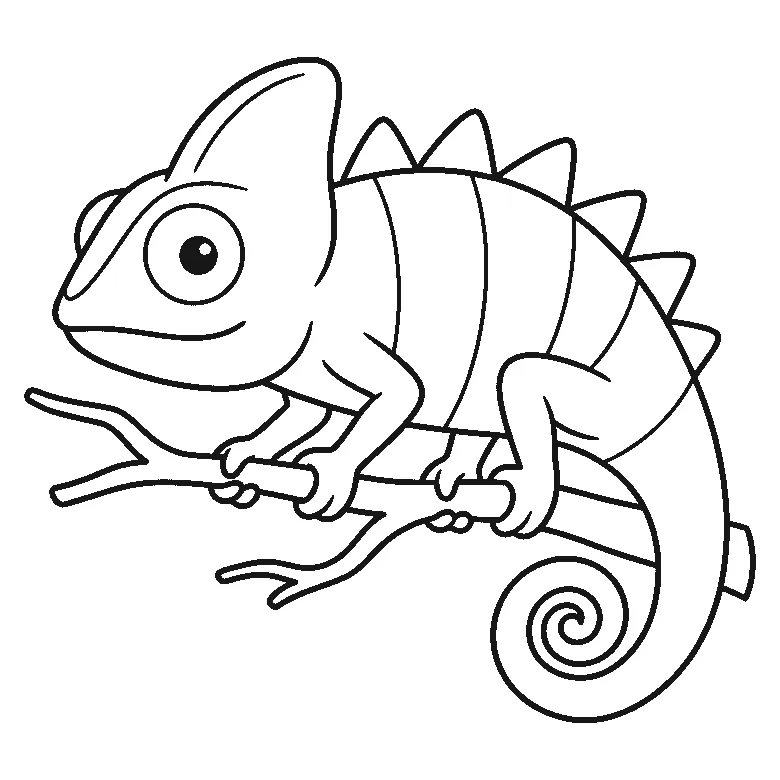
Chameleon coloring page
A chameleon on a branch with a spiral tail, a spiked spine and a body already banded for you.
Coloring outline drawn by us.
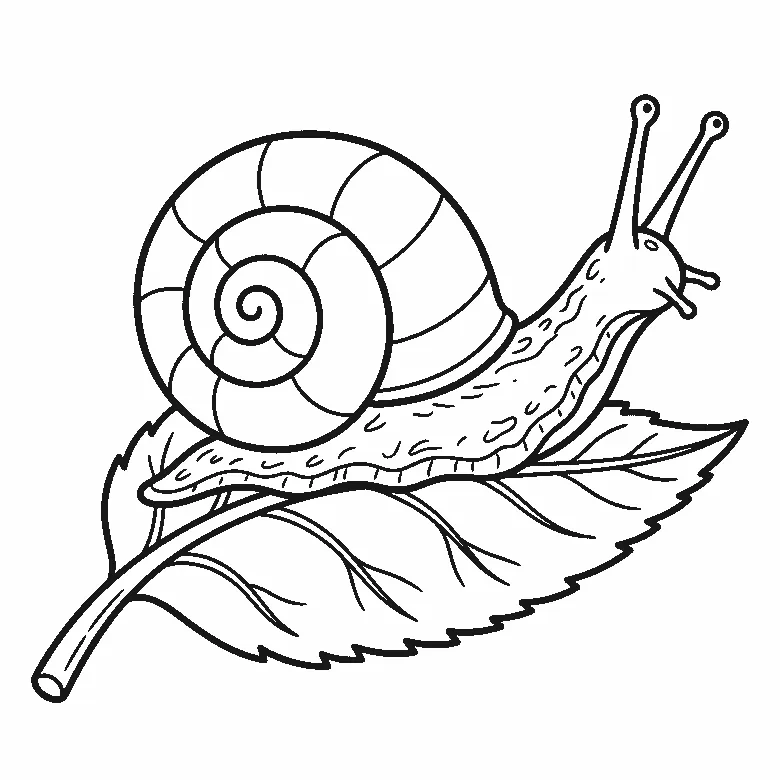
Snail coloring page
A snail crossing a big toothed leaf, its shell a wide spiral of broad bands to fill one by one.
Coloring outline drawn by us.
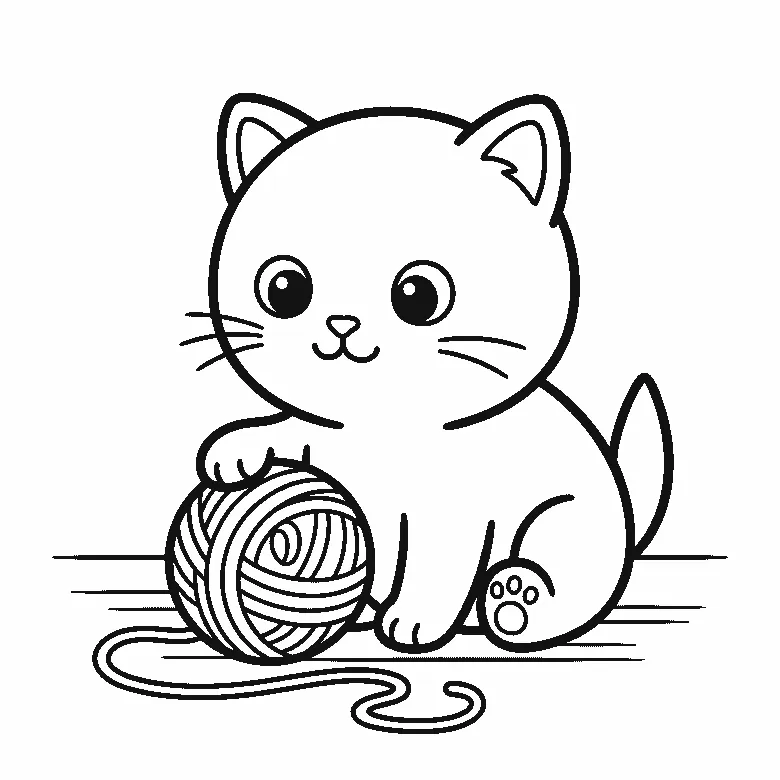
Kitten coloring page
A round-headed kitten sitting with one paw on a ball of yarn, the loose thread trailing away across the floor, free as a US Letter PDF.
Coloring outline drawn by us.
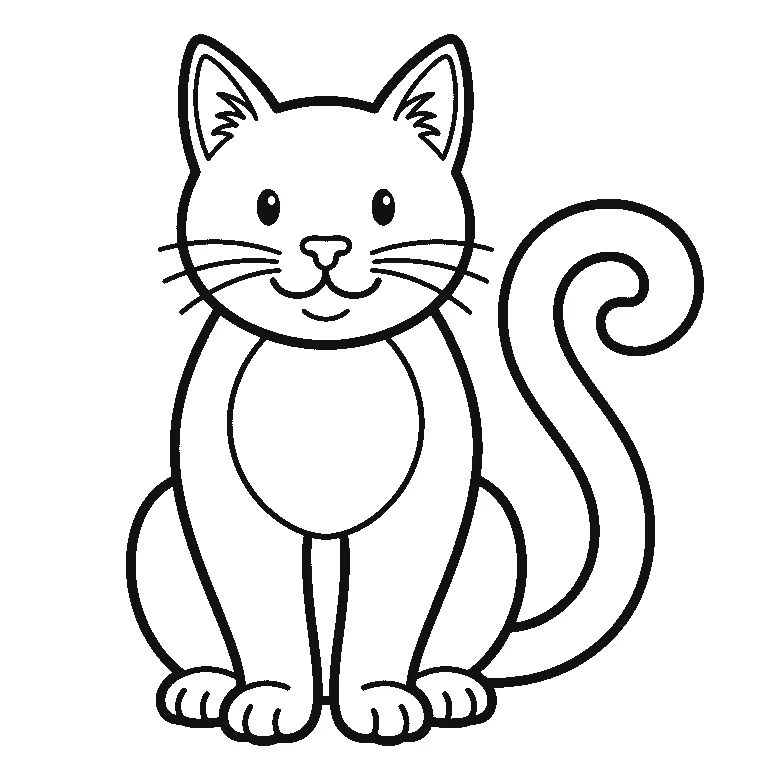
Cat coloring page
An upright, forward-facing cat with tufted ears and a curled tail, in thick black outlines on one letter-size sheet.
Coloring outline drawn by us.
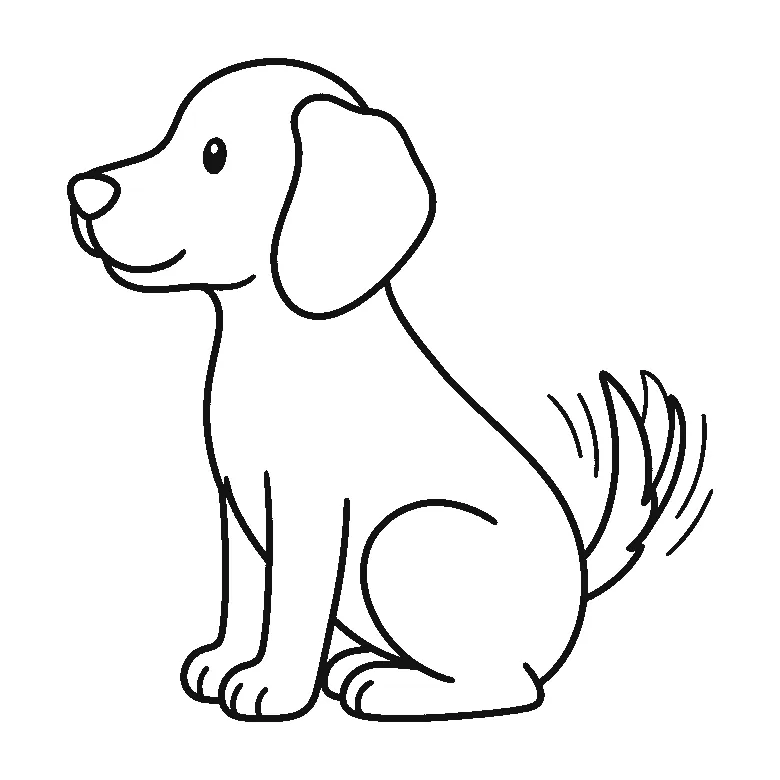
Dog coloring page
A dog in profile with one floppy ear and a feathered tail, drawn in open black outlines and ready to print at actual size.
Coloring outline drawn by us.
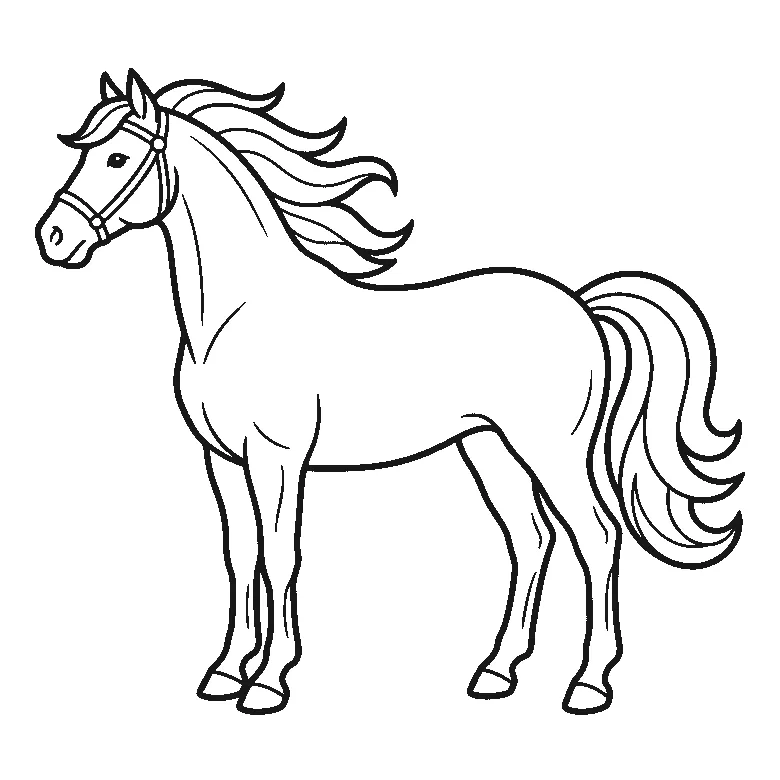
Horse coloring page
A horse standing in profile in its bridle, with a long streaming mane and full tail, on one printable letter-size sheet.
Coloring outline drawn by us.
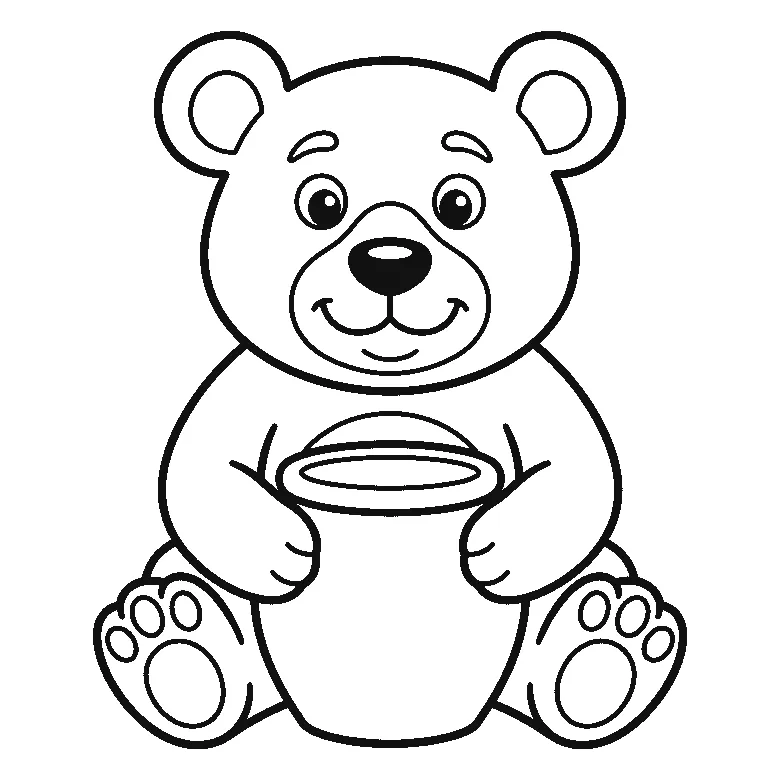
Bear coloring page
A round bear sitting with a honey pot in its paws, drawn in thick black outlines and free to print at letter size.
Coloring outline drawn by us.
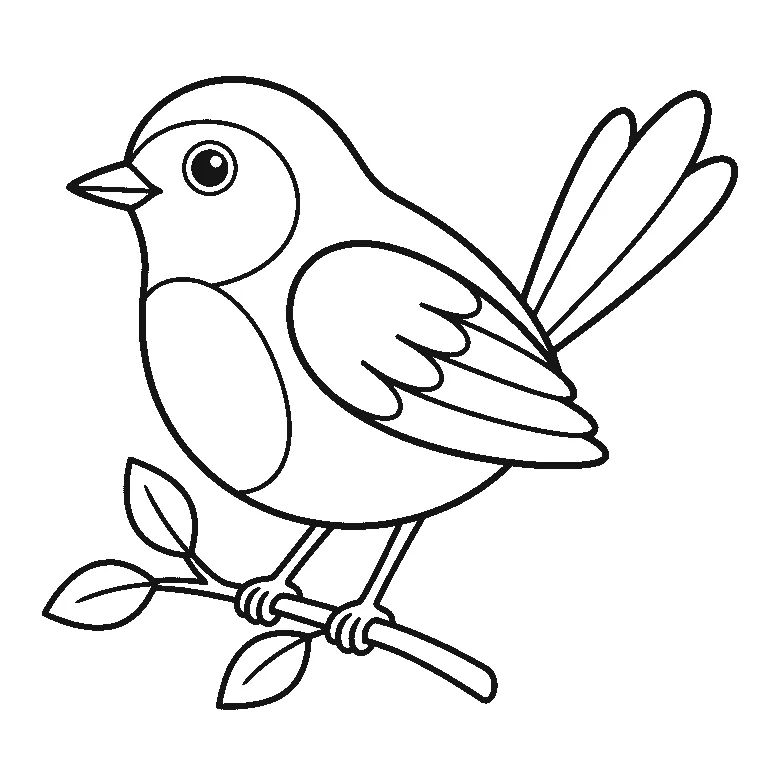
Bird coloring page
Free letter-size printable: a plump songbird perched on a leafy twig, with a long layered tail worth taking slowly.
Coloring outline drawn by us.
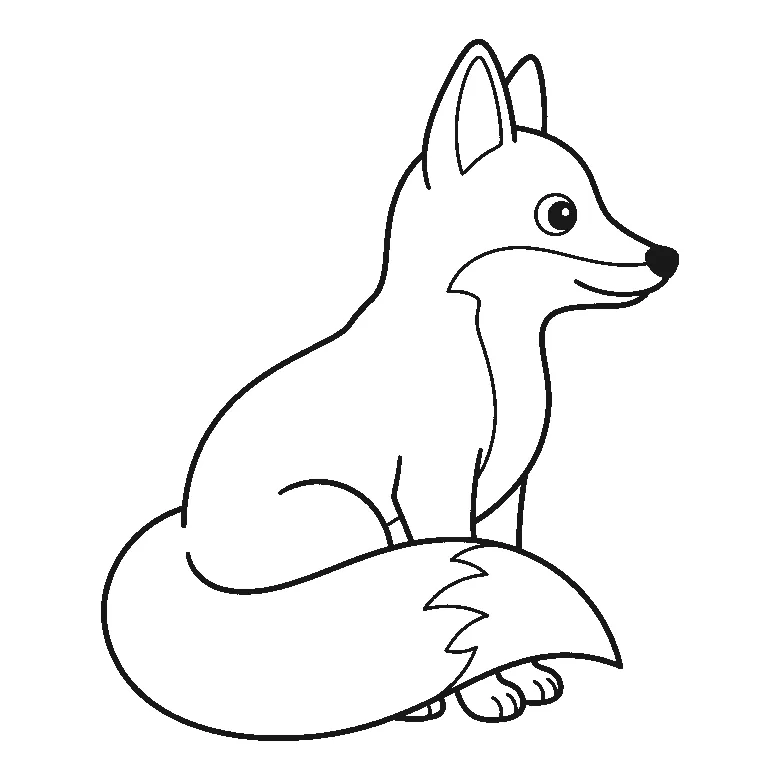
Fox coloring page
A sitting fox in profile with a huge bushy tail curled around in front, free to print at letter size.
Coloring outline drawn by us.


