
PDF · US Letter · 19 KB · Free, no sign-up. For home and classroom use.
Squirrel coloring page
A squirrel in profile holding an acorn, with a very large curled tail drawn as separate strands.
A squirrel sits upright in profile facing right, holding an acorn in both front paws and lifting it toward its mouth. One round eye with a filled pupil sits on the visible side of the head, the ears are pointed with tufts at the tips, and a few whisker lines run back from the muzzle. The tail is the dominant shape on the page: it sweeps up and over the back in a wide curl and is drawn as a mass of separate pointed fur strands rather than as one closed outline. Below the animal there is a low ground line with grass tufts and two fallen leaves.
The tail takes up more of the sheet than the body does and it is not one shape but dozens. Each strand is closed at its base and pointed at its tip, layered over the ones behind it. That means the tail can be colored as one field, ignoring the strands, or strand by strand, and the two approaches produce completely different drawings. The one-field approach takes a minute; the strand approach is the longest single job on this page.
If you do work it strand by strand, the trick is not to alternate colors but to alternate pressure. Two neighboring strands in the same color, one pressed light and one pressed hard, read as fur; two strands in different colors read as a pattern. A light base laid over the whole tail first, with a darker pass on every second strand afterward, gets there faster than doing each one from scratch.
The body and head are open by comparison, and the acorn is the one small closed object with a shape of its own: a rounded nut with a textured cap. Because it sits right where the two paws meet, it is worth coloring before the paws, so that a stroke on the paws can run up to it rather than around it. The acorn is also the natural place for the only strong dark on the page, since a brown nut against a pale animal is what the eye lands on first.
The grass tufts and the two leaves along the bottom are the finishing detail. They are small, they are separate, and they can be left white without the page looking unfinished — but a narrow band of color along the ground line does more to settle the squirrel than filling either of them, because it gives the animal something to be standing on.
Red-brown with a paler chest is the reading the outline invites and it works. Because the tail is drawn as strands rather than as a shape, it also takes a graded scheme better than most animal drawings here: pale at the base, deeper toward the tip, with the change happening across a dozen strands rather than in one blend. That is easier to do than it sounds, since each strand is small enough to be a single decision.
Two plain facts about the animal show in the drawing. The tail is that big because it does several jobs at once: it balances the animal along a branch, and it wraps over the body as a cover. And an acorn is the seed of an oak, which is why the nut is drawn sitting in a cap — the cap is the part that holds it to the twig, and it stays behind on the tree when the acorn falls.
Print at actual size on plain letter paper. The fur strands in the tail are narrow, and fit-to-page closes the gaps between them, which turns the best part of the drawing into a solid mass. Regular copier paper is fine for pencil and crayon. Cut out along the outer edge of the tail and the animal comes away as a single tall silhouette, which stands up well if it is glued to a folded strip of card stock.
Before you print
- Decide before you start whether the tail is one field or dozens of strands; the two make different drawings.
- In the tail, vary pressure rather than color between neighboring strands, and it reads as fur.
- Lay a light base over the whole tail first, then press harder on every second strand.
- Color the acorn before the paws, so the paw strokes can run up to it instead of around it.
- Put a narrow band of color along the ground line; it settles the animal better than filling the grass.
Published Updated 652 words
More in this section
Hedgehog coloring page
A hedgehog in profile beside an apple, its whole back drawn as one row of big triangular spikes.
Coloring outline drawn by us.
Cheetah coloring page
A cheetah in profile with its head turned to you, covered in solid round spots and a banded tail tip.
Coloring outline drawn by us.
Leopard coloring page
A leopard with its head turned to you, its coat drawn as open rosette rings of different sizes.
Coloring outline drawn by us.
Parrot coloring page
A parrot on a branch with a big hooked beak, a folded wing of broad feathers and three long tail feathers.
Coloring outline drawn by us.
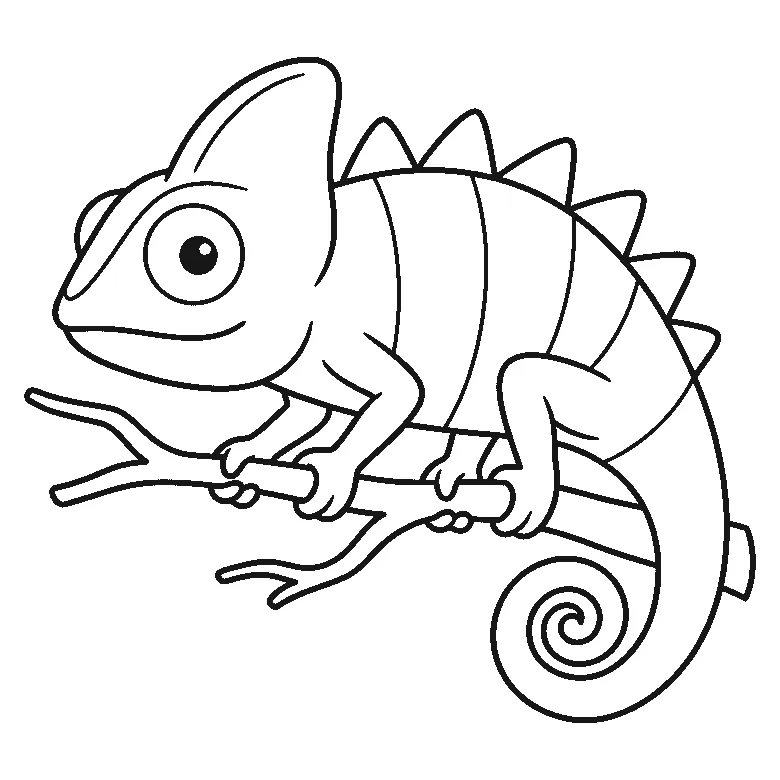
Chameleon coloring page
A chameleon on a branch with a spiral tail, a spiked spine and a body already banded for you.
Coloring outline drawn by us.
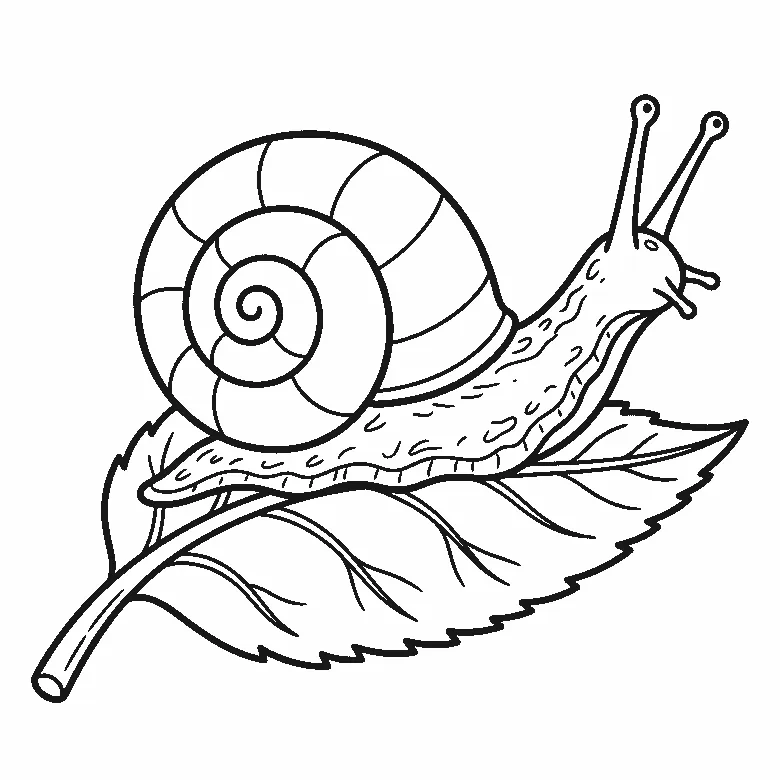
Snail coloring page
A snail crossing a big toothed leaf, its shell a wide spiral of broad bands to fill one by one.
Coloring outline drawn by us.
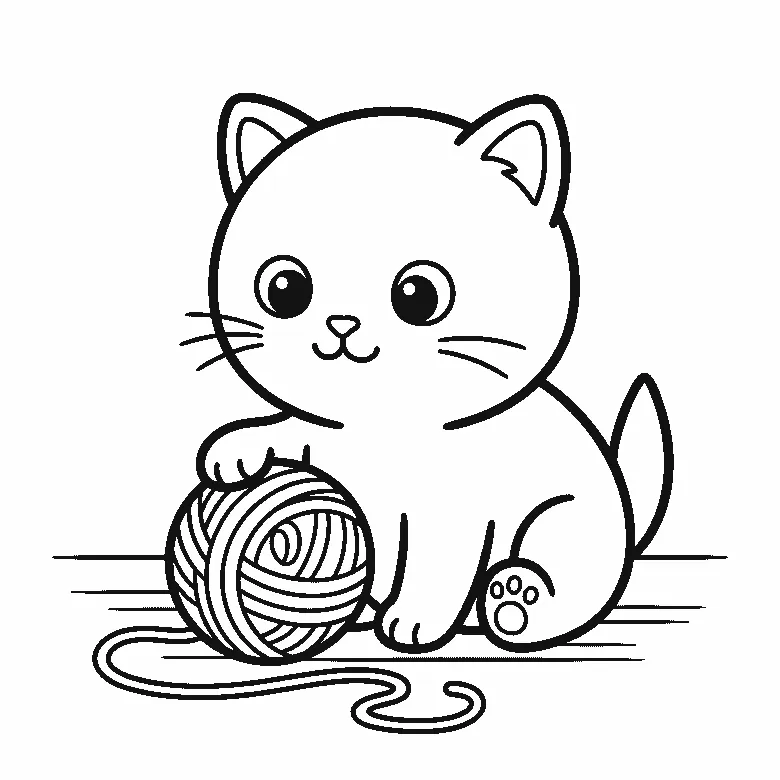
Kitten coloring page
A round-headed kitten sitting with one paw on a ball of yarn, the loose thread trailing away across the floor, free as a US Letter PDF.
Coloring outline drawn by us.
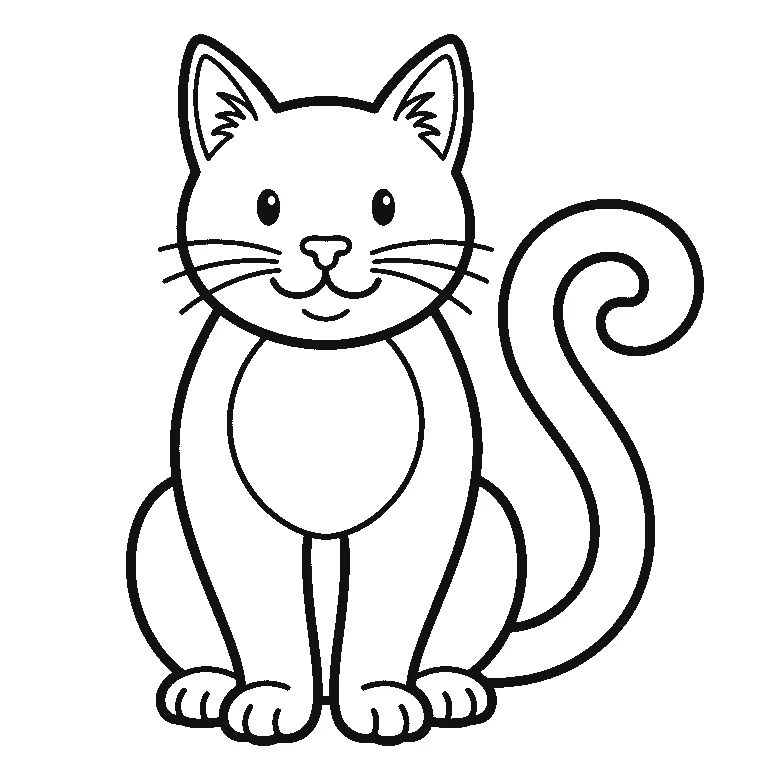
Cat coloring page
An upright, forward-facing cat with tufted ears and a curled tail, in thick black outlines on one letter-size sheet.
Coloring outline drawn by us.
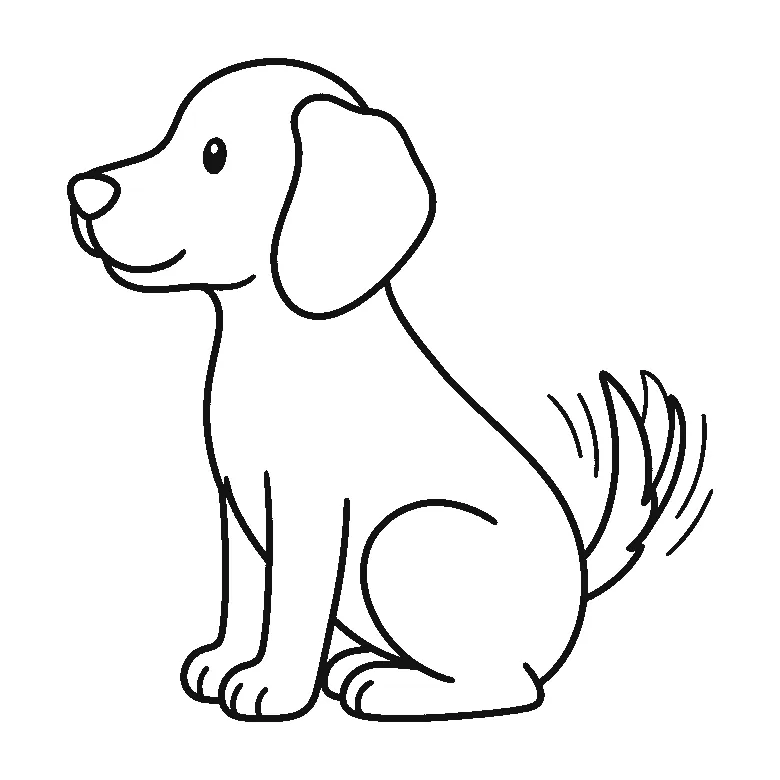
Dog coloring page
A dog in profile with one floppy ear and a feathered tail, drawn in open black outlines and ready to print at actual size.
Coloring outline drawn by us.
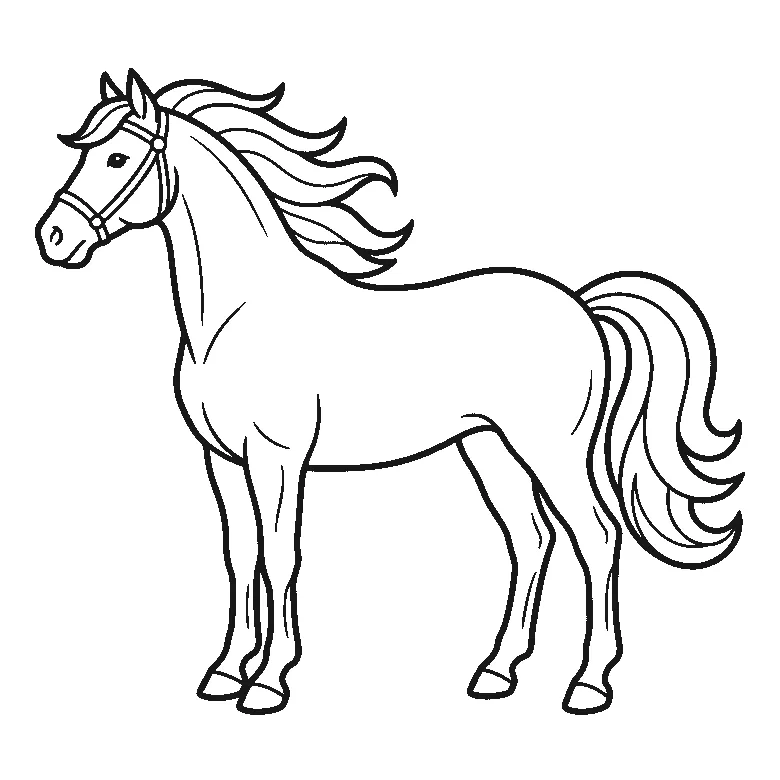
Horse coloring page
A horse standing in profile in its bridle, with a long streaming mane and full tail, on one printable letter-size sheet.
Coloring outline drawn by us.
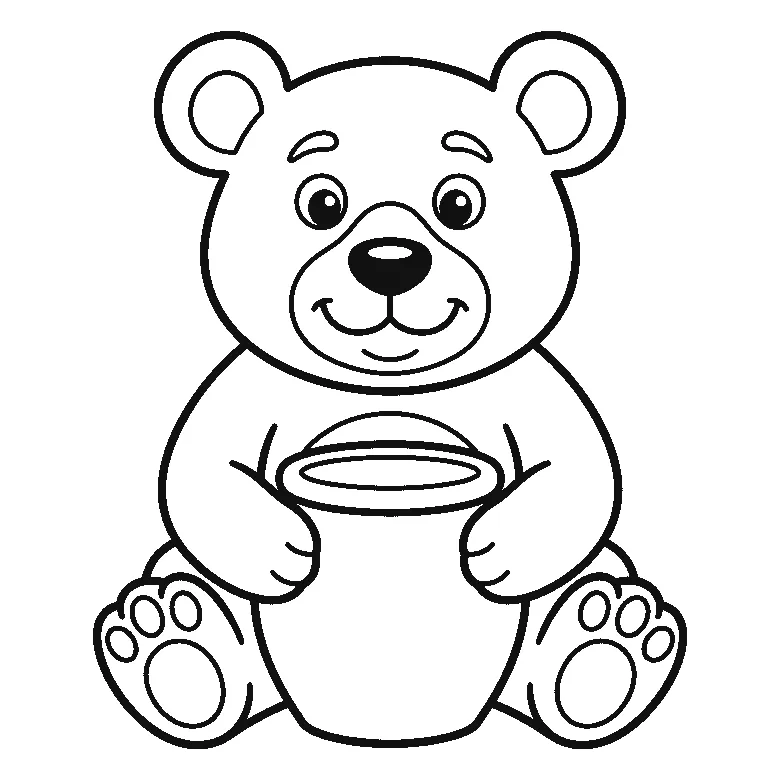
Bear coloring page
A round bear sitting with a honey pot in its paws, drawn in thick black outlines and free to print at letter size.
Coloring outline drawn by us.
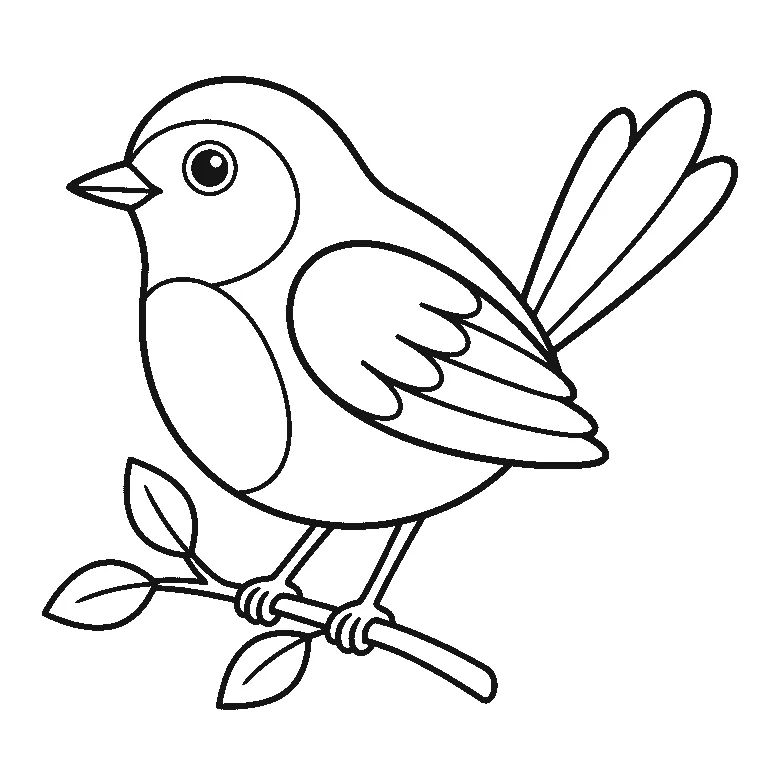
Bird coloring page
Free letter-size printable: a plump songbird perched on a leafy twig, with a long layered tail worth taking slowly.
Coloring outline drawn by us.


