
PDF · A4 · 9 KB · Free, no sign-up. For home and classroom use.
Tractor colouring page
A tractor with one huge lugged rear wheel and a small front one, pulling a two-wheeled trailer.
A tractor stands in side view facing left, pulling a small open trailer behind it. The rear wheel is very large and its tyre is drawn with deep lugs around the outside, like a row of blocks; inside it are two concentric rings and a hub. The front wheel is much smaller and lugged the same way. Between them sits the body: a bonnet with a small headlamp at the front, a cab with a single empty window under a flat roof, a curved mudguard over the rear wheel, and an exhaust pipe standing up beside the cab with a bend at the top. The trailer behind is a plain box on one pair of wheels.
The two wheels are the first thing anybody notices about a tractor and the drawing leans on that: the rear wheel alone takes up more of the page than the cab does. Each wheel gives you four separate areas — the lugged tyre band, the outer ring, the inner ring, and the hub at the centre — so a wheel can carry four tones without a single line being crossed.
The lugs are the fine work. They are a ring of small blocks around the outside of each tyre, and there are a lot of them. Filling every lug is slow; colouring the tyre band as one dark shape and leaving the lugs white is quick and reads as tread from a distance. Doing the big wheel one way and the small wheel the other is the one thing worth avoiding, since the eye compares them immediately.
The body is a set of broad flat panels — bonnet, cab side, mudguard — and it is where the tractor's colour lives. Because they are separated by strong outlines they take one colour at three pressures very well: lightest on the bonnet facing you, deeper on the cab, deepest under the mudguard curve. That is enough to make a flat side view look like a machine with a shape.
The cab window is empty and is worth leaving white. It is the only opening in the machine and the only place the paper can show through, which is what stops the tractor reading as a solid block. The exhaust pipe beside it is a narrow lane with a bend, and a dark colour there separates it from the cab behind it.
The trailer is the quietest object on the sheet and that is useful. It is a plain box with a rim along the top and one pair of wheels, so it can take a second colour that appears nowhere on the tractor, and doing that makes it read as a separate thing being towed rather than as part of the machine. Left white, it also works: an empty trailer behind a coloured tractor is a real-looking arrangement.
One plain point sits in the wheel sizes. A tractor's rear wheels are large and its front wheels are small because the rear ones carry the driven load and need the grip, while the fronts mostly steer; the deep lugs on the tyre are angled so that they bite into soft ground and clear themselves of mud as the wheel turns. That is why the drawing gives both wheels the same tread pattern at two completely different sizes.
Print at actual size on plain A4 paper so the lugs and the concentric rings inside the wheels stay separate. If markers are the plan, use them on the body panels and switch to a pencil for the wheels, or the lugs will vanish under one stroke. Cut out along the outline and the tractor comes away towing the trailer; cutting between them gives two shapes that can be stood side by side or spaced apart.
Before you print
- Use all four areas of each wheel — tyre band, outer ring, inner ring and hub — for four tones.
- Colour the tyre band dark and leave the lugs white; it reads as tread and saves a long job.
- Treat the big rear wheel and the small front wheel exactly the same way; the eye compares them at once.
- Give the body panels one colour at three pressures: bonnet lightest, cab deeper, under the mudguard deepest.
- Give the trailer a colour that appears nowhere on the tractor so it reads as a separate thing being towed.
Published Updated 626 words
More in this section
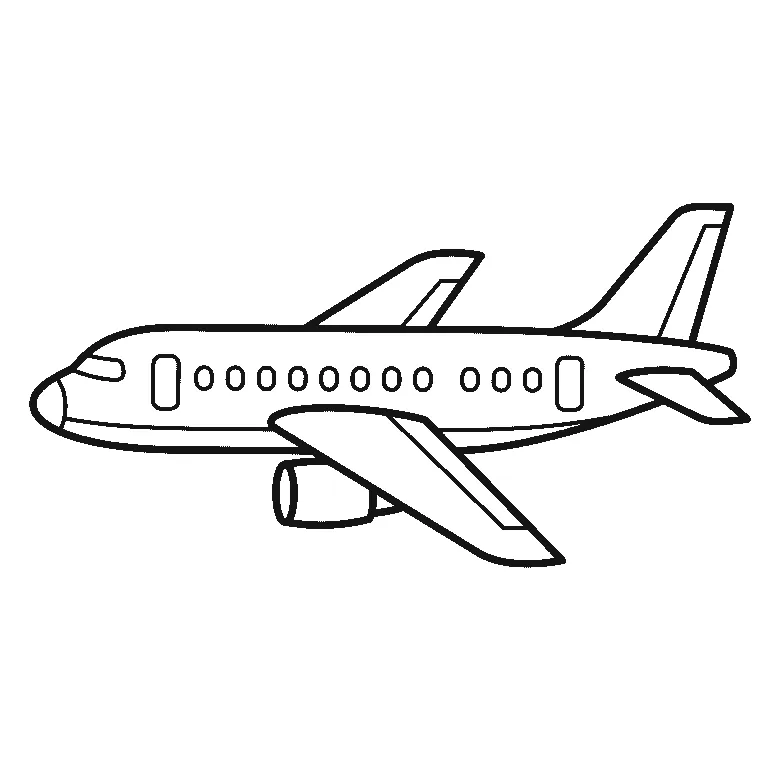
Aeroplane colouring page
A passenger aeroplane in level flight seen from the side, with a row of cabin windows, two wings and a tall swept fin, free as an A4 PDF.
Colouring outline drawn by us.
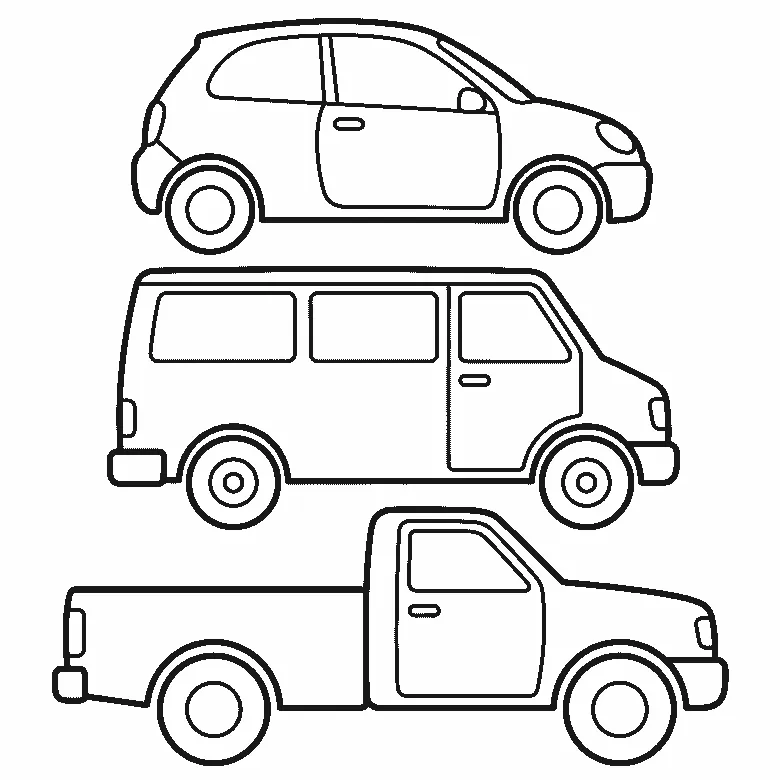
Car colouring page
Three vehicles stacked down the page, hatchback, van and pick-up, with every panel left blank to fill.
Colouring outline drawn by us.
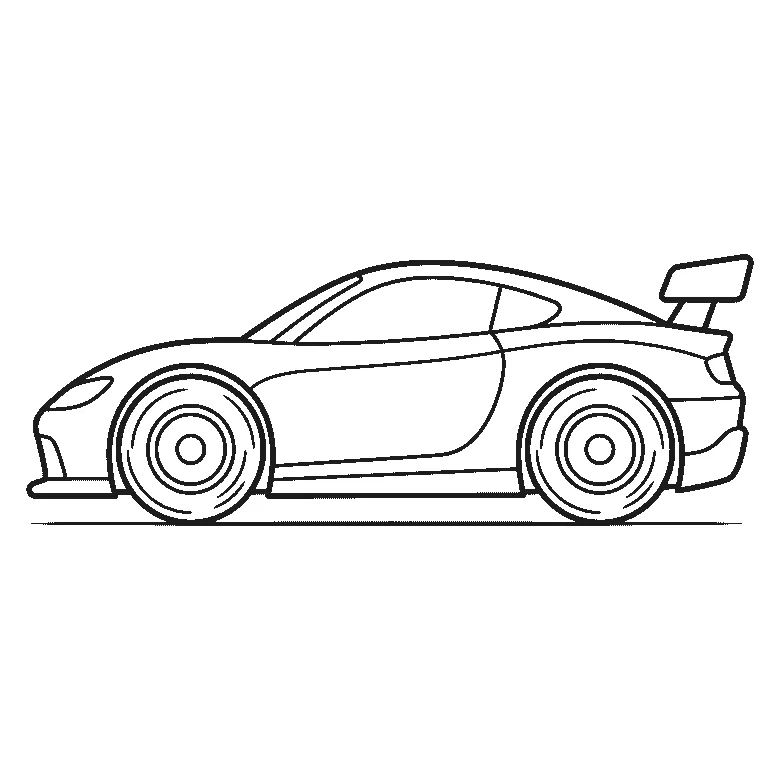
Racing car colouring page
A racing car seen from the side, with a bare body panel, a rear spoiler and spoked wheels, ready for any paint scheme you invent.
Colouring outline drawn by us.
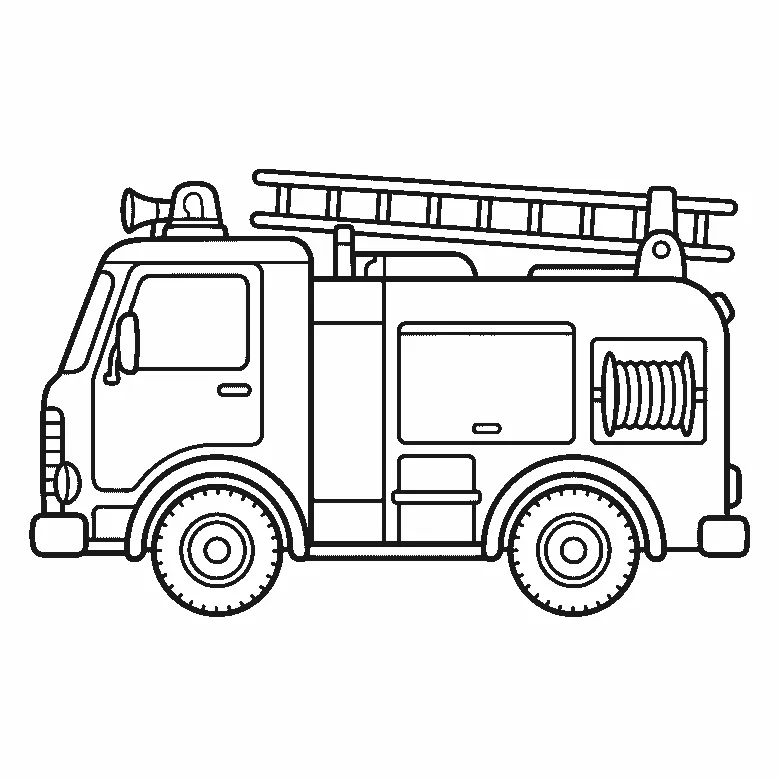
Fire engine colouring page
A side view of a fire engine with its ladder, beacon, horn, hose reel and treaded wheels drawn in clean outline.
Colouring outline drawn by us.
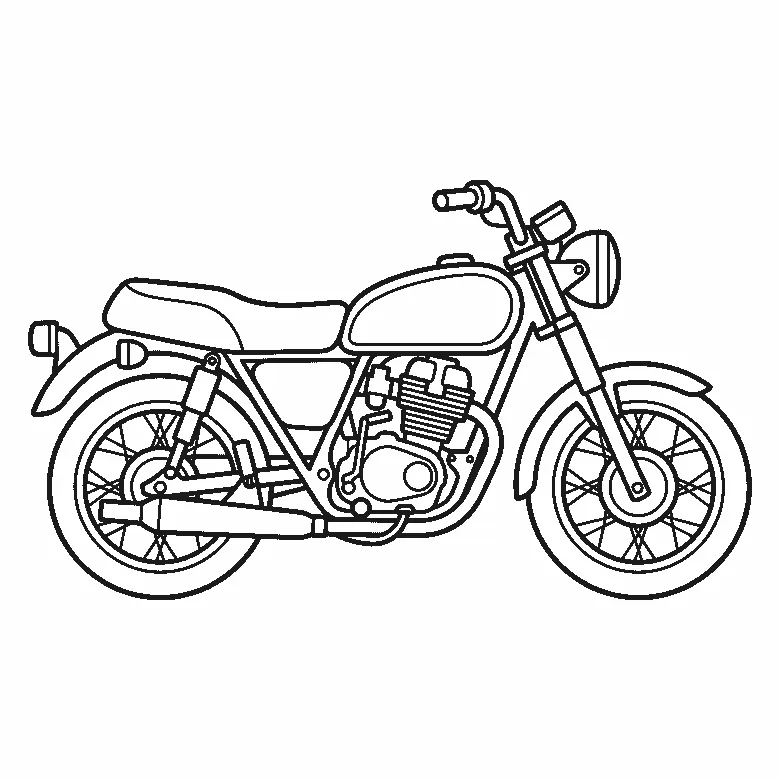
Motorbike colouring page
A motorbike in side view with spoked wheels, an engine, a headlamp and completely plain bodywork.
Colouring outline drawn by us.
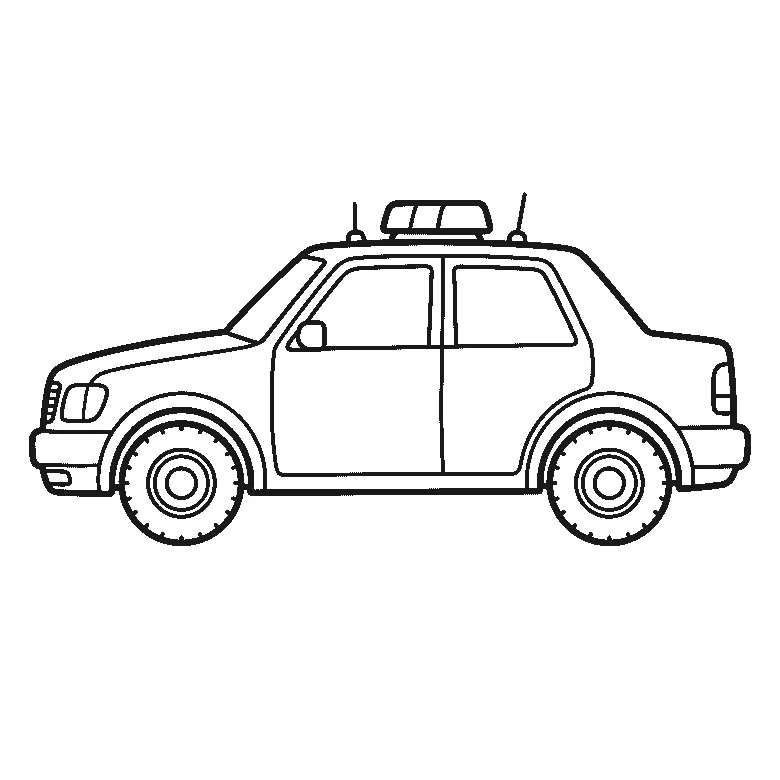
Police car colouring page
A patrol car in side view with a roof light bar, two aerials and completely plain door panels.
Colouring outline drawn by us.
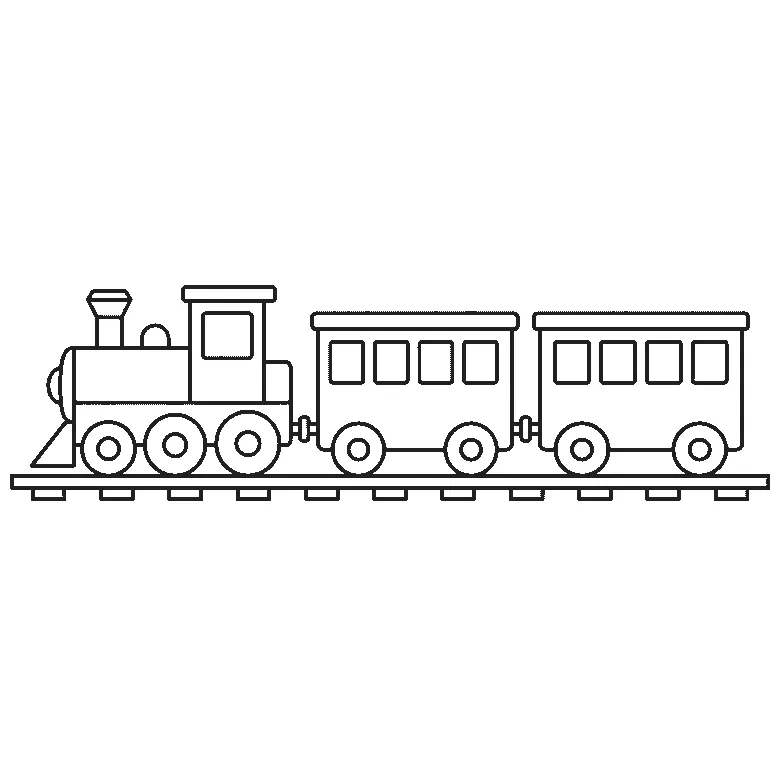
Train colouring page
A locomotive and two carriages on a straight track, drawn as simple boxes with big square windows.
Colouring outline drawn by us.
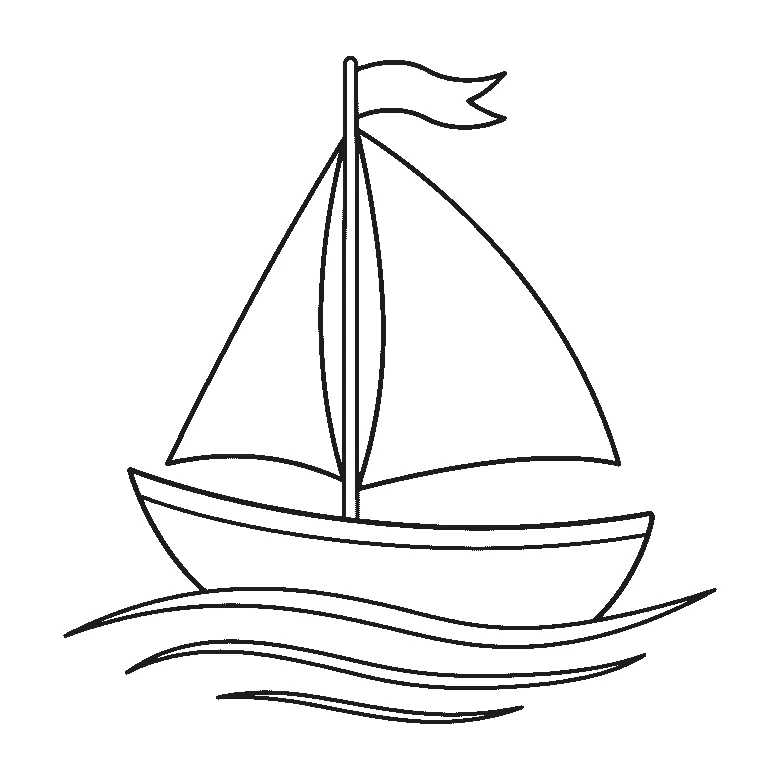
Boat colouring page
A sailing boat with two blank triangular sails and three curved water lines, drawn large and simple.
Colouring outline drawn by us.
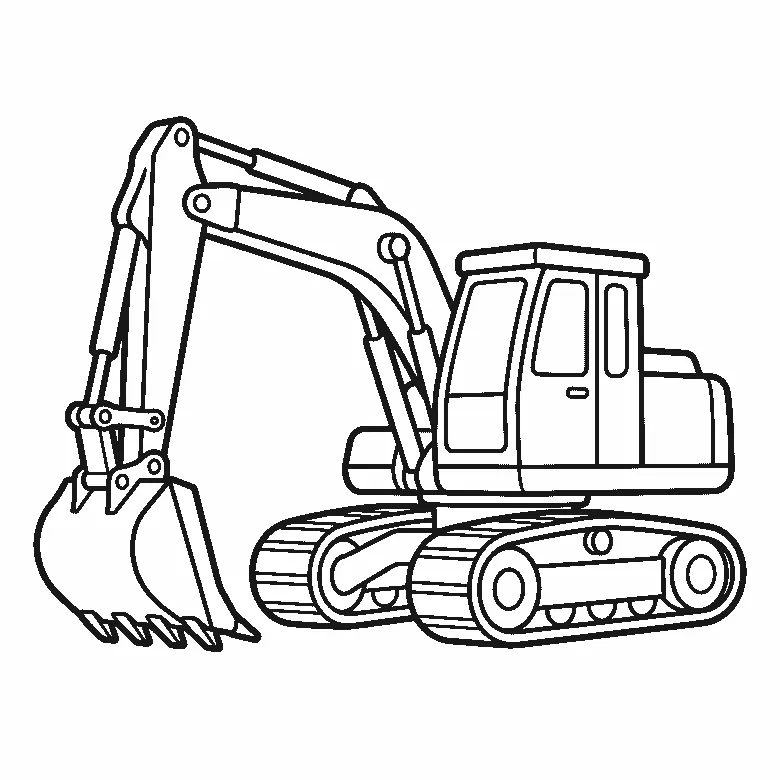
Digger colouring page
A tracked digger with a jointed arm and a toothed bucket, drawn from a three-quarter angle.
Colouring outline drawn by us.


