
PDF · US Letter · 9 KB · Free, no sign-up. For home and classroom use.
Police car coloring page
A patrol car in side view with a roof light bar, two antennas and completely plain door panels.
A patrol car stands in side view facing left, drawn wide across the page. On the roof sits a light bar divided into segments, with a thin antenna standing up on either side of it. The body is a plain sedan shape: a hood, a windshield, two side windows divided by a pillar, a rear window, a trunk, and two doors with a line between them. There is a side mirror on the front door, a grille and a headlamp at the front, and two large wheels with treaded tires and concentric hubs. The door panels are completely empty — there is no crest, no number and no lettering on any surface.
That emptiness is the point of the sheet. The two door panels are the largest blank areas on the page, and on a real patrol car they are exactly where the markings go, which means this drawing is asking you to invent them. A single band along the doors, a two-tone split with the roof one color and the body another, or blocks of alternating color along the sides are all things the outline will take without argument.
The light bar is the smallest and most rewarding shape here. It is divided into segments, so each one can be a different color, and because it sits alone on the roof against white paper it is the most visible thing on the sheet at a glance. Alternating two strong colors along it is the fastest way to make a plain car read as a patrol car, and it costs about fifteen seconds.
The windows are the one place worth leaving white. Four glass shapes filled in a color make the car look solid; left as paper, they read as glass and give the drawing somewhere to breathe. If they are colored, a very pale blue with the paper still showing is the version that still reads as a window rather than as a panel.
The wheels are drawn with tread marks around the outside and two concentric rings inside, which gives three separate areas per wheel: the tire, the outer hub ring, and the center. Treating those three the same way on both wheels keeps the car level; treating them differently makes it look like two wheels from different vehicles. The tread marks themselves are small and can be left white against a dark tire.
There is no scheme this sheet requires. Patrol cars are painted differently in different places, so a black-and-white car, a blue-and-white one, or a car in colors nobody has ever used are all equally consistent with the drawing. The one thing that carries the identification is the light bar on the roof, so as long as that is doing something the rest can be anything.
A small drawing observation is worth making. The two thin lines standing up beside the light bar are antennas, and they are drawn as bare strokes rather than as closed shapes, which means they cannot be filled — they can only be drawn over or left alone. Leaving them is usually better: a colored line the same width as the outline just makes them look thicker, and their thinness is what makes them read as antennas.
Print at actual size on plain letter paper. The antennas and the tire tread are the first things a smaller print thickens or loses. If markers are the plan, load heavier card stock, since the body is one broad panel and a solid car uses a lot of ink. Cut around the outline and the car comes away with the light bar and both antennas attached; cutting below the antennas instead gives a sturdier shape that stands up when it is glued to a folded strip.
Before you print
- Invent the markings on the two blank door panels; that is what the empty space is for.
- Alternate two strong colors along the light bar segments; it is the fastest way to make the car read.
- Leave the four windows white so they read as glass rather than as panels.
- Treat both wheels the same way across all three of their areas, or the car looks uneven.
- Leave the two roof antennas as bare lines; coloring them only makes them look thicker.
Published Updated 623 words
More in this section
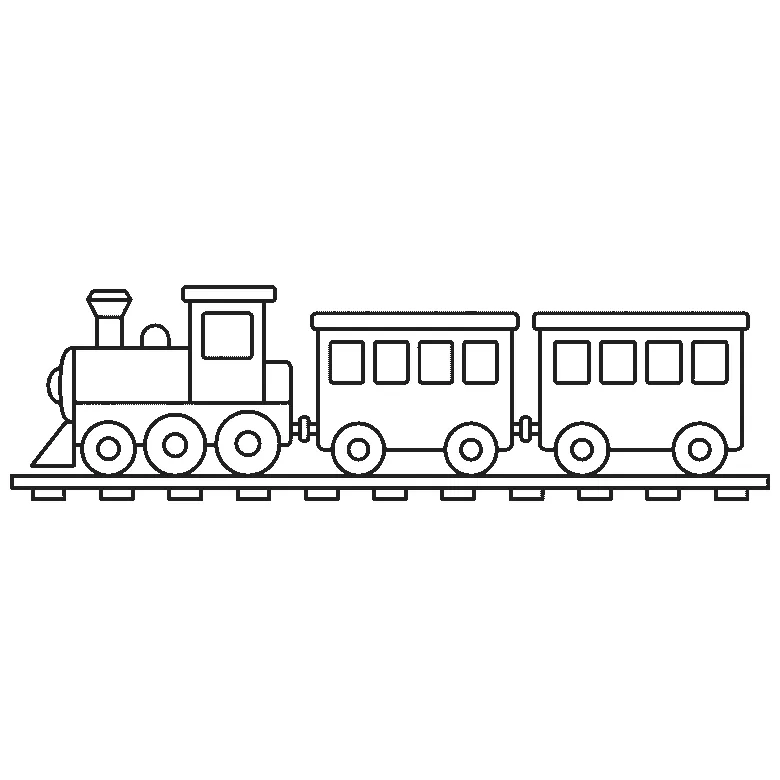
Train coloring page
A locomotive and two carriages on a straight track, drawn as simple boxes with big square windows.
Coloring outline drawn by us.
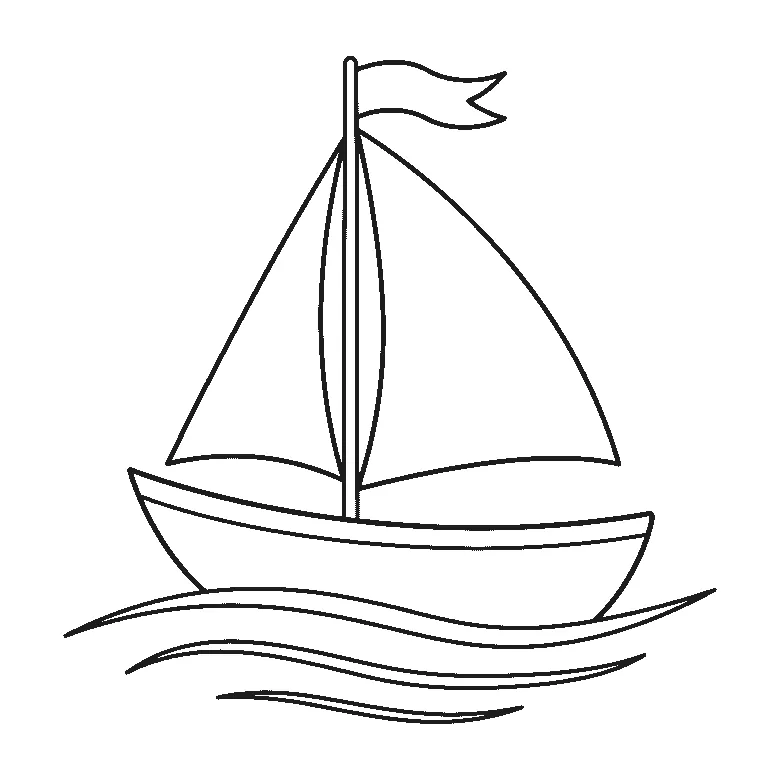
Boat coloring page
A sailing boat with two blank triangular sails and three curved water lines, drawn large and simple.
Coloring outline drawn by us.
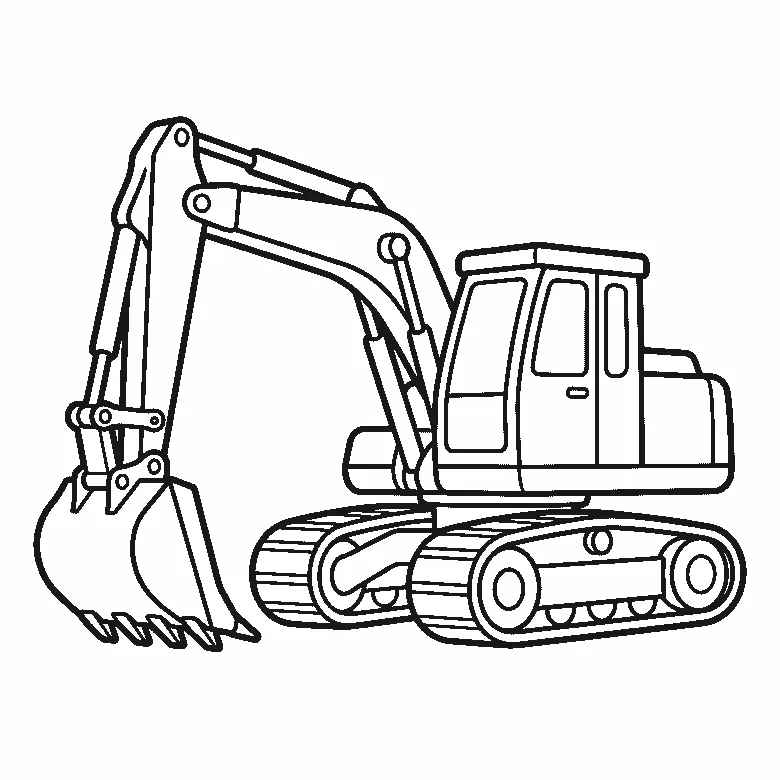
Excavator coloring page
A tracked excavator with a jointed arm and a toothed bucket, drawn from a three-quarter angle.
Coloring outline drawn by us.
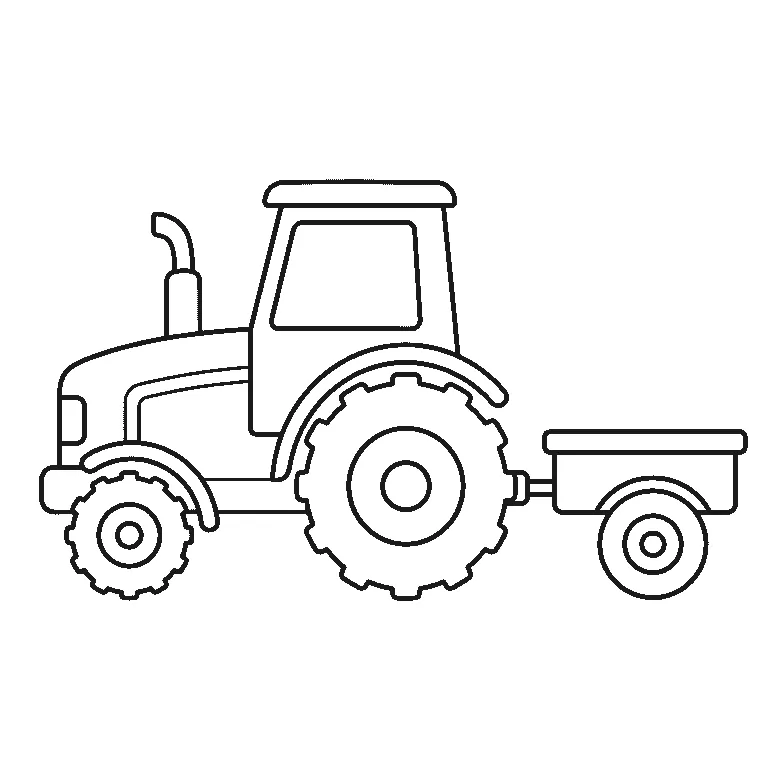
Tractor coloring page
A tractor with one huge lugged rear wheel and a small front one, pulling a two-wheeled trailer.
Coloring outline drawn by us.
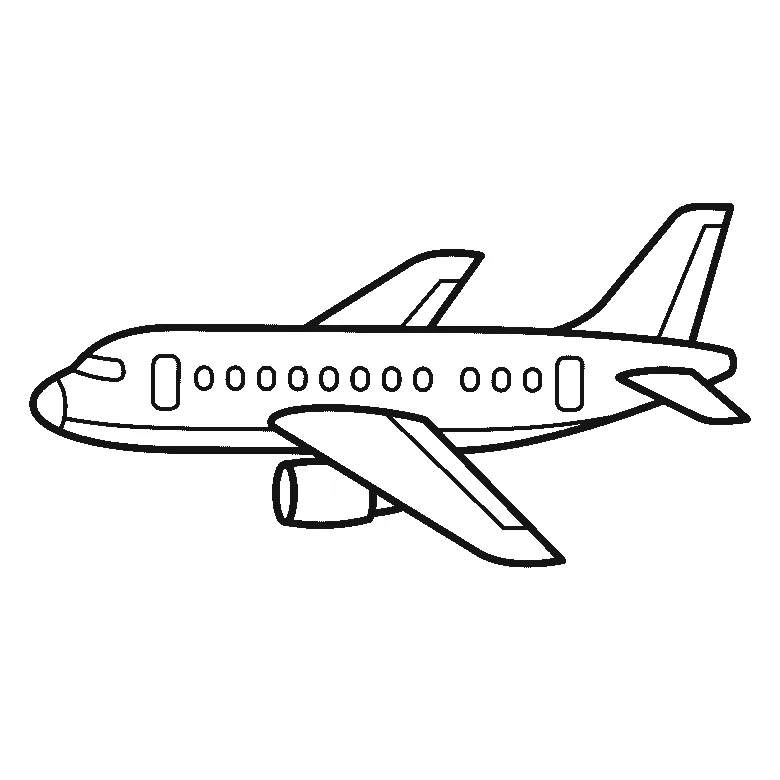
Airplane coloring page
A passenger airplane in level flight seen from the side, with a row of cabin windows, two wings and a tall swept fin, free as a US Letter PDF.
Coloring outline drawn by us.
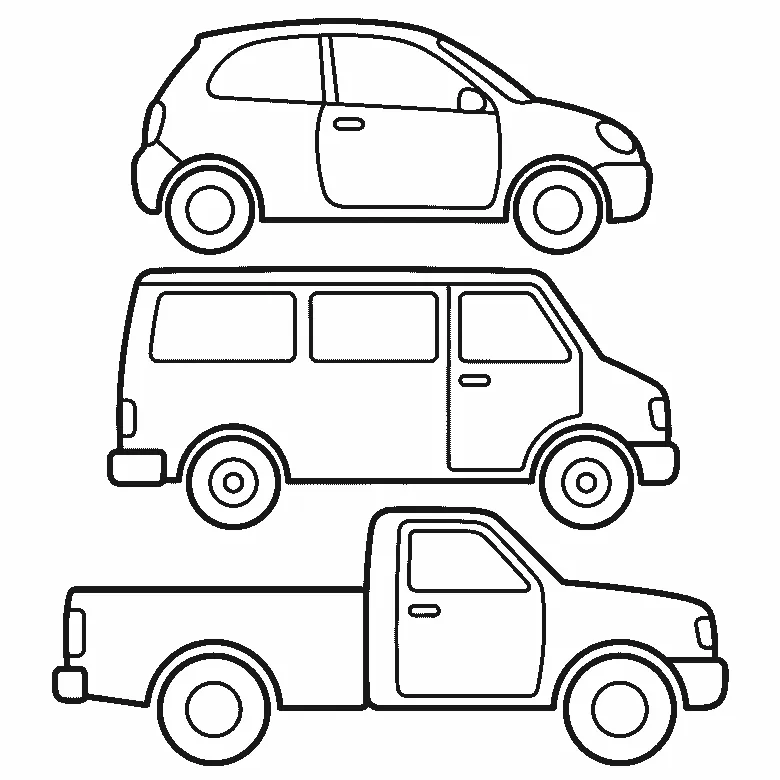
Car coloring page
Three vehicles stacked down the page, hatchback, van and pickup, with every panel left blank to fill.
Coloring outline drawn by us.
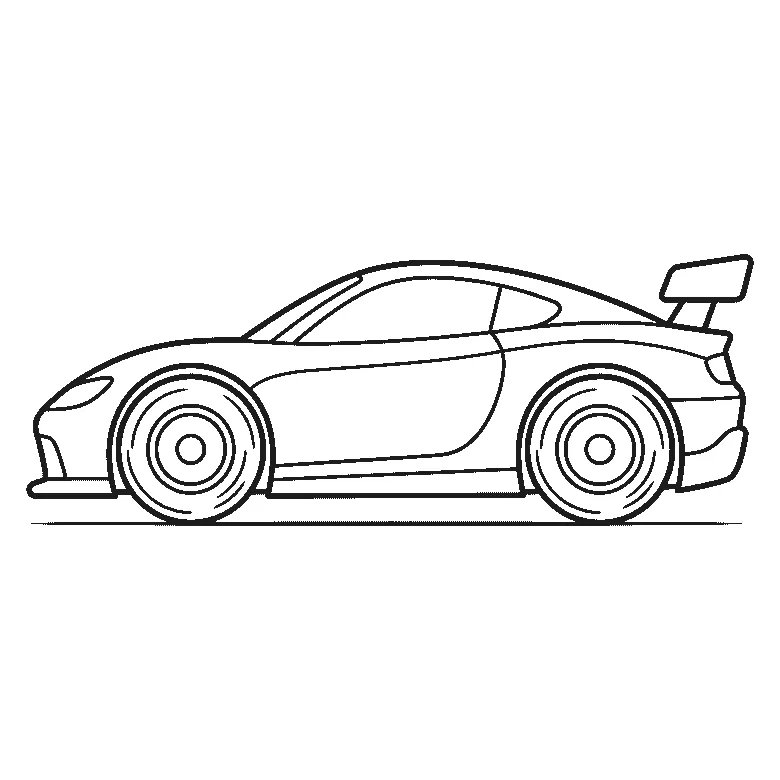
Race car coloring page
A race car seen from the side, with a bare body panel, a rear spoiler and spoked wheels, ready for any paint scheme you invent.
Coloring outline drawn by us.
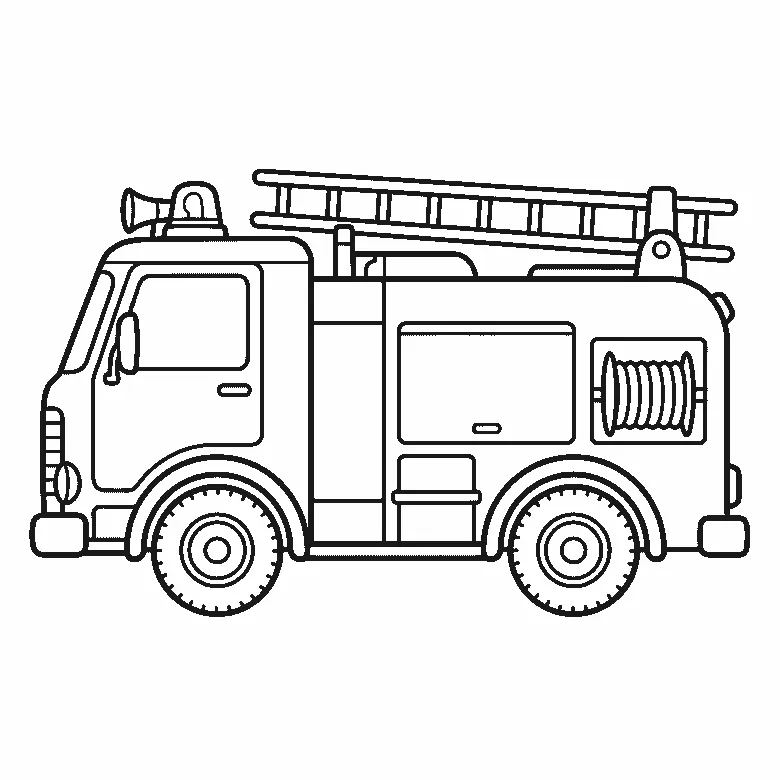
Fire truck coloring page
A side view of a fire truck with its ladder, beacon, horn, hose reel and treaded wheels drawn in clean outline.
Coloring outline drawn by us.
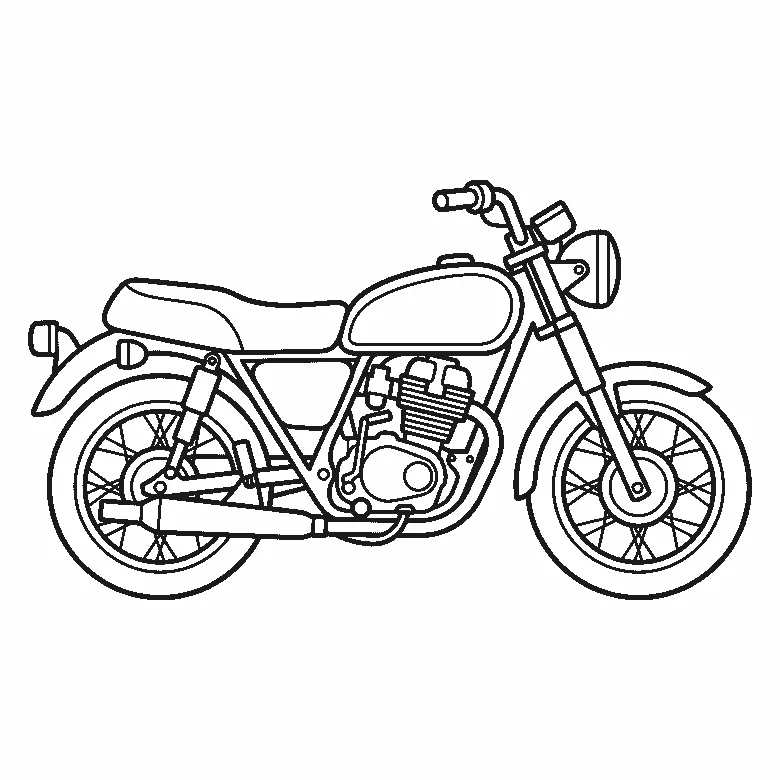
Motorcycle coloring page
A motorcycle in side view with spoked wheels, an engine, a headlamp and completely plain bodywork.
Coloring outline drawn by us.


